




Ceramic Dinnerware Buying Checklist for Importers

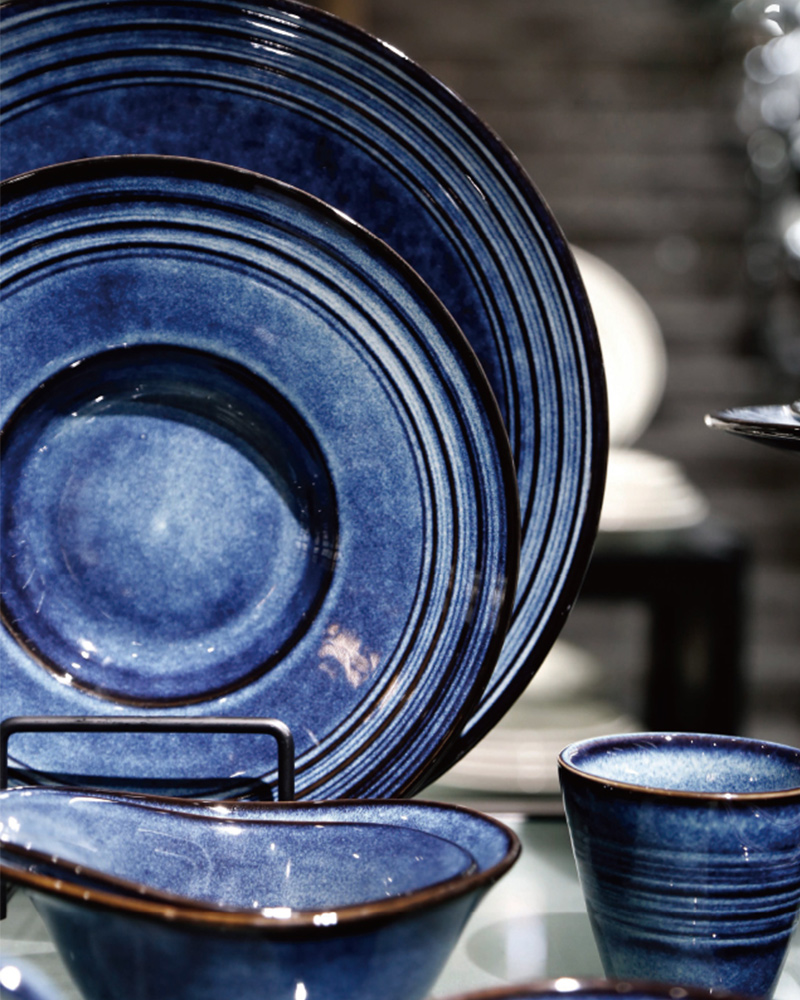
Importing ceramic dinnerware is about much more than finding the lowest price. A successful purchasing project depends on selecting the right manufacturer, confirming product specifications, ensuring consistent quality, and managing logistics efficiently.
Whether you are a restaurant supplier, hotel procurement manager, wholesaler, or private label brand, following a structured procurement process can reduce risks, improve product quality, and help build a long-term supply partnership.
This checklist walks you through every key stage of purchasing ceramic dinnerware from China.
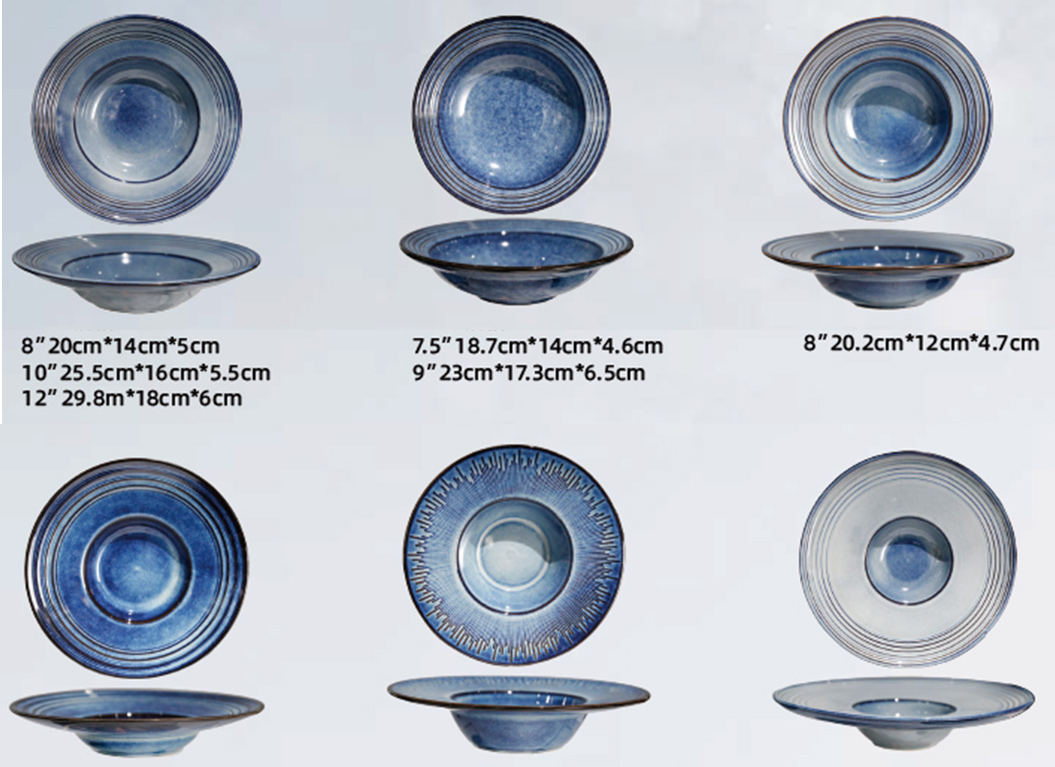
1. Choose the Right Supplier
The first and most important decision is selecting a reliable manufacturing partner.
Instead of comparing suppliers only by price, evaluate their manufacturing capabilities, export experience, quality management, and communication efficiency.
A qualified supplier should provide:
- Factory introduction
- Production capacity
- OEM & ODM capabilities
- Export experience
- Quality certifications
- Professional sales support
Choosing an experienced manufacturer often saves far more than negotiating the lowest unit price.
2. Define Your Product Requirements
Clear specifications reduce misunderstandings during production.
Prepare a detailed product brief including:
- Material (Porcelain, Stoneware, Bone China)
- Plate and bowl sizes
- Color requirements
- Glaze finish
- Logo printing
- Packaging requirements
- Quantity
- Target market
The more detailed the specifications, the smoother the production process.
3. Request Samples
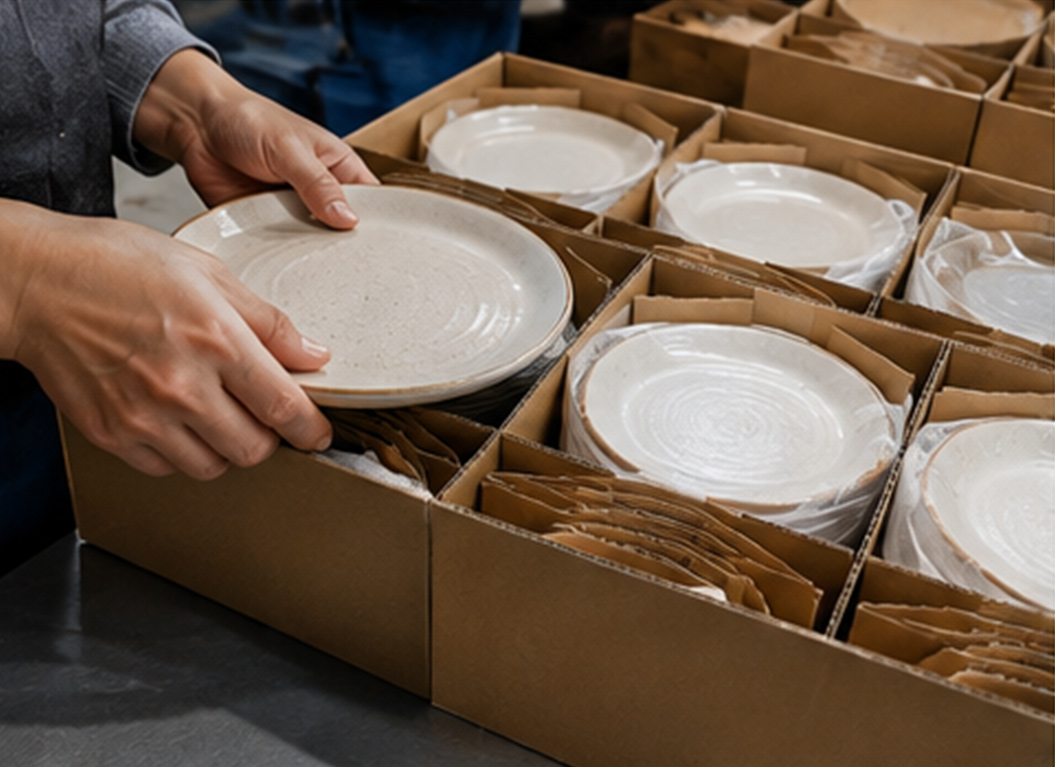
Never place a large order without evaluating samples.
During sample review, check:
- Surface finish
- Color consistency
- Weight
- Dimensions
- Stackability
- Edge smoothness
- Logo accuracy
- Packaging
Testing samples under actual restaurant or hotel conditions provides valuable feedback before mass production.
4. Review Pricing Carefully
The lowest quotation is not always the best value.
Request a detailed quotation including:
- Product price
- Mold cost
- Logo printing cost
- Packaging cost
- Sample fee
- Shipping terms
- Payment terms
Understanding the complete cost structure helps avoid unexpected expenses later.
5. Confirm Production Schedule
Lead time directly affects inventory planning.
Typical production schedule includes:
- Sample approval
- Raw material preparation
- Production
- Decoration
- Firing
- Quality inspection
- Packaging
- Container loading
Always confirm estimated completion dates before placing the order.
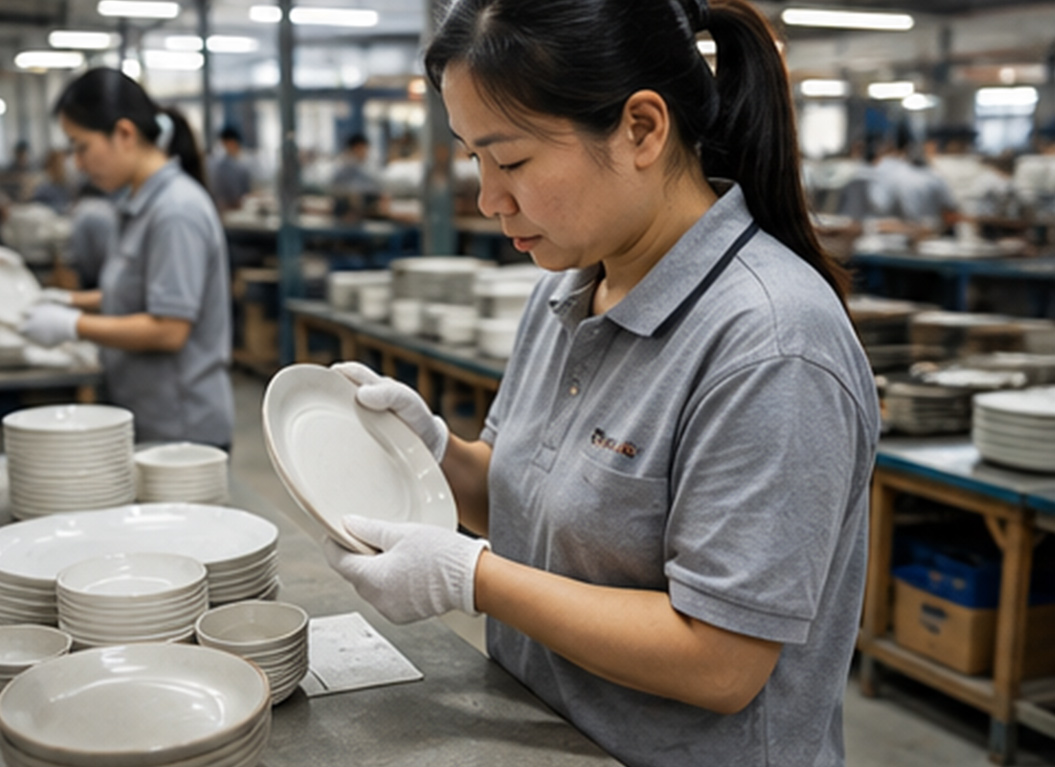
6. Inspect Product Quality
Quality inspection should never be skipped.
Important inspection items include:
- Appearance
- Size tolerance
- Color consistency
- Glaze defects
- Logo quality
- Packing quality
- Quantity verification
Many importers also arrange third-party inspections before shipment.

7. Check Packaging Standards
Ceramic products require strong export packaging to minimize breakage.
Ask suppliers about:
- Individual protection
- Carton strength
- Drop test
- Pallet options
- Container loading method
- Shipping marks
Proper packaging significantly reduces transportation risks.
8. Arrange Shipping and Customs Clearance
Before shipment, confirm:
- Incoterms (FOB, CIF, DDP)
- Shipping schedule
- Required export documents
- Customs declaration
- Product certifications
- Import duties
Working with an experienced freight forwarder can simplify international logistics.

Final Checklist Before Order Confirmation
Before approving production, make sure you have confirmed:
✔ Product specifications
✔ Sample approval
✔ Final quotation
✔ Production schedule
✔ Quality inspection standards
✔ Packaging requirements
✔ Shipping arrangements
✔ Customs documentation
Completing this checklist helps reduce purchasing risks and improves supply chain efficiency.
Conclusion
Successful ceramic dinnerware sourcing is built on careful planning rather than price alone. By following a structured procurement process—from supplier evaluation and product customization to quality inspection, packaging, shipping, and customs clearance—importers can reduce risks and establish reliable long-term partnerships.
If you are sourcing ceramic dinnerware for restaurants, hotels, wholesalers, or private label brands, a professional procurement strategy will save both time and cost while ensuring consistent product quality.