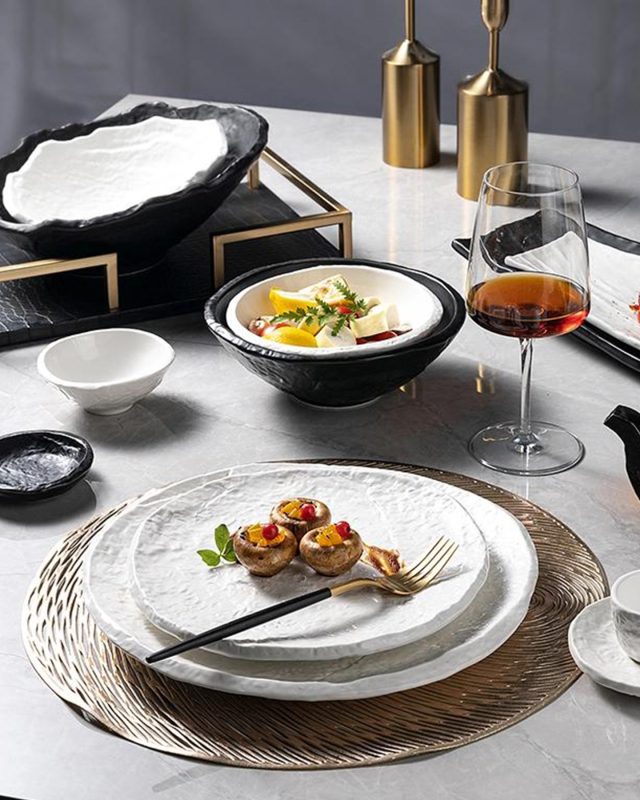





How to Choose the Best Ceramic Dinnerware for Restaurants: A Complete Commercial Buying Guide (2026)

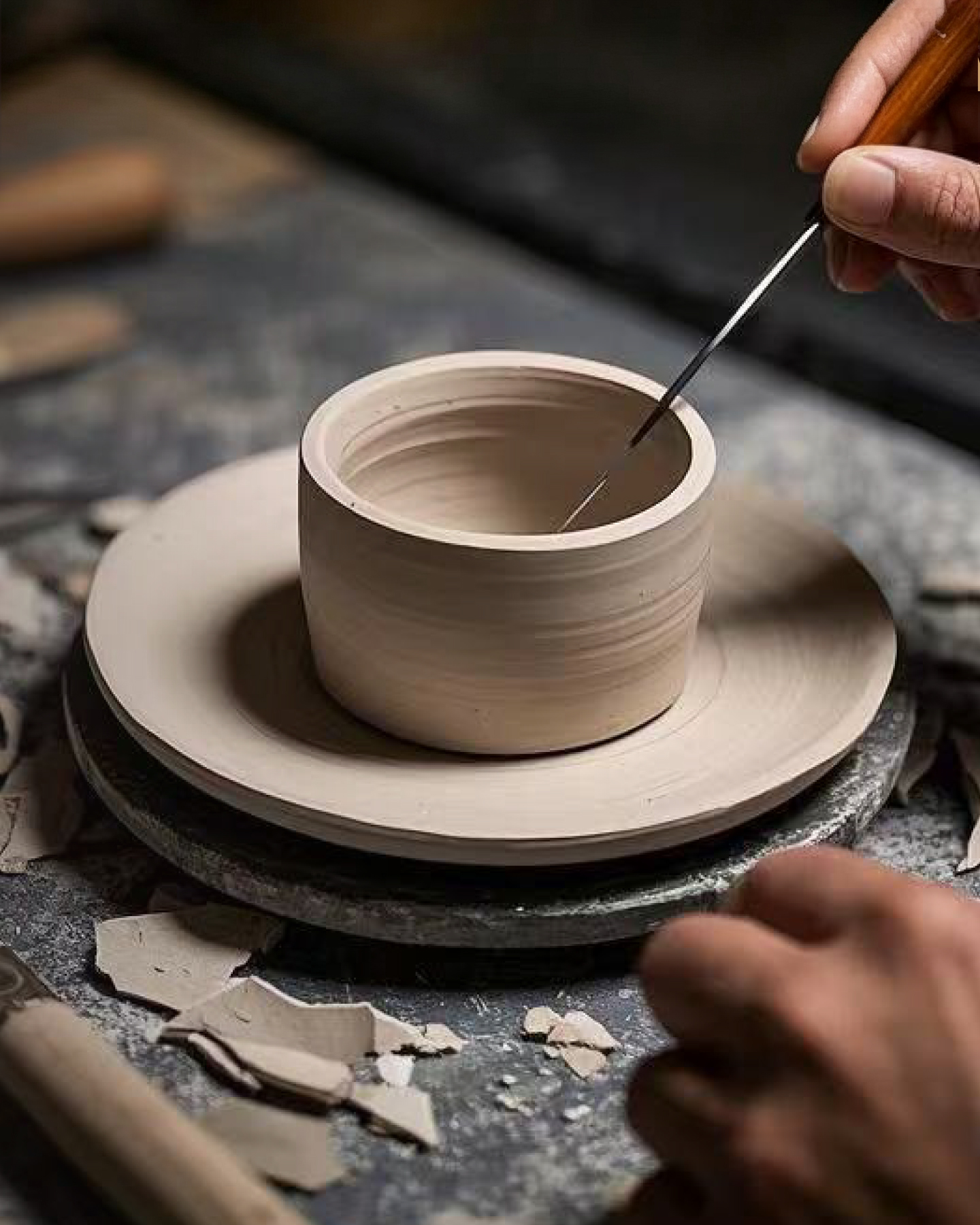
Whether you’re opening a new restaurant, upgrading an existing dining experience, or sourcing products for a restaurant chain, choosing the right ceramic dinnerware is a strategic investment—not just a purchasing decision.
Commercial dinnerware directly influences customer perception, food presentation, operating costs, and your restaurant’s brand image. Poor-quality plates chip easily, inconsistent colors make replacements difficult, and unreliable suppliers can interrupt your operations.
This restaurant dinnerware buying guide explains how professional buyers evaluate commercial ceramic dinnerware, what mistakes to avoid, and how to select a reliable ceramic dinnerware manufacturer for long-term success.
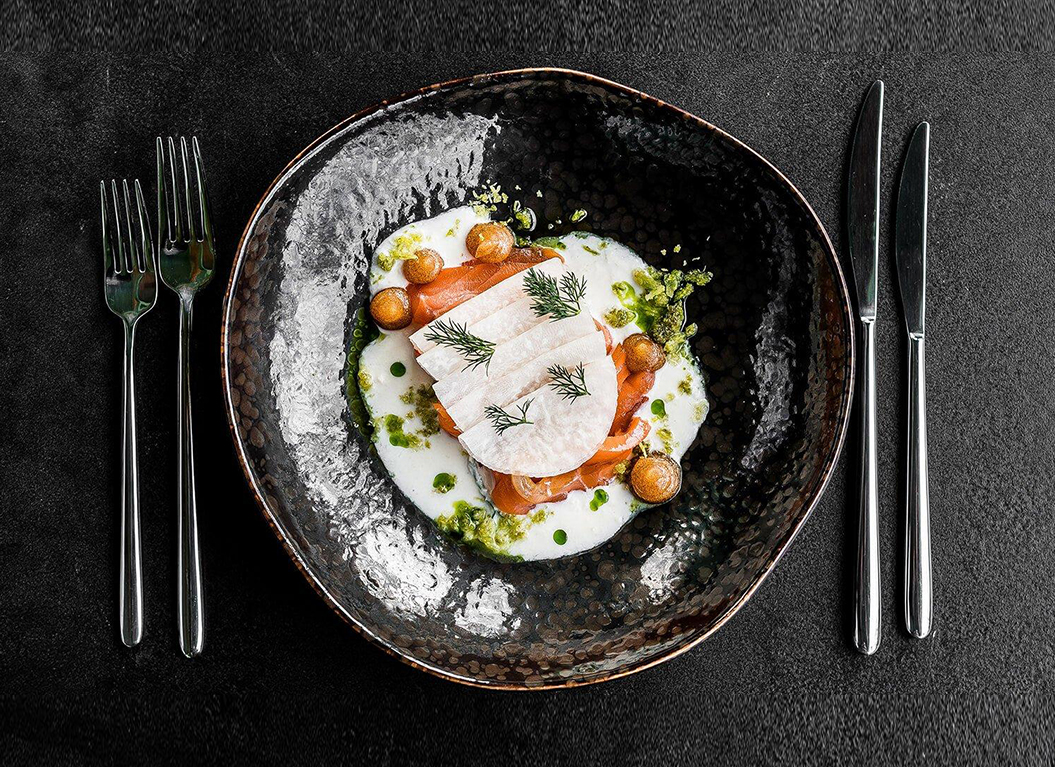
Step 1. Define Your Restaurant Concept Before Choosing Dinnerware
Different restaurant concepts require different tableware styles.
For example:
| Restaurant Type | Recommended Dinnerware |
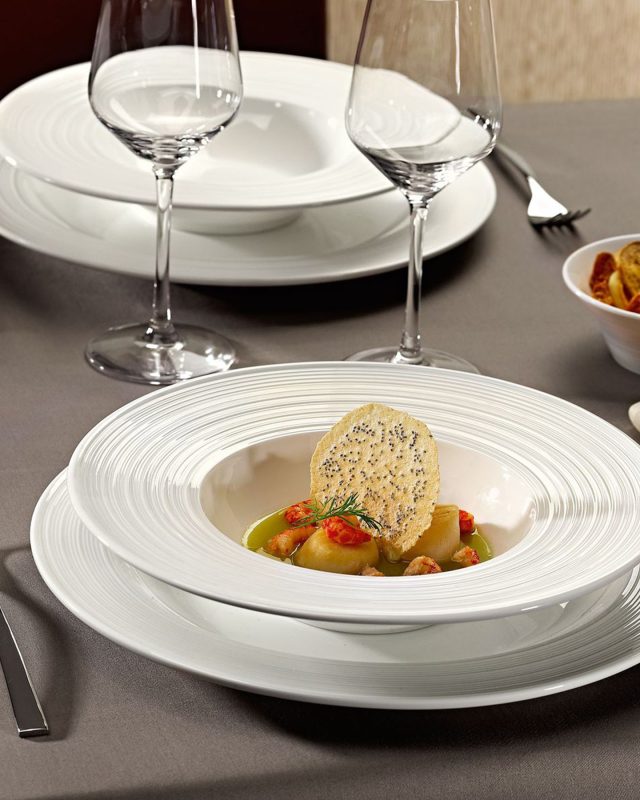
| Fine Dining | Bone China or Premium Porcelain |
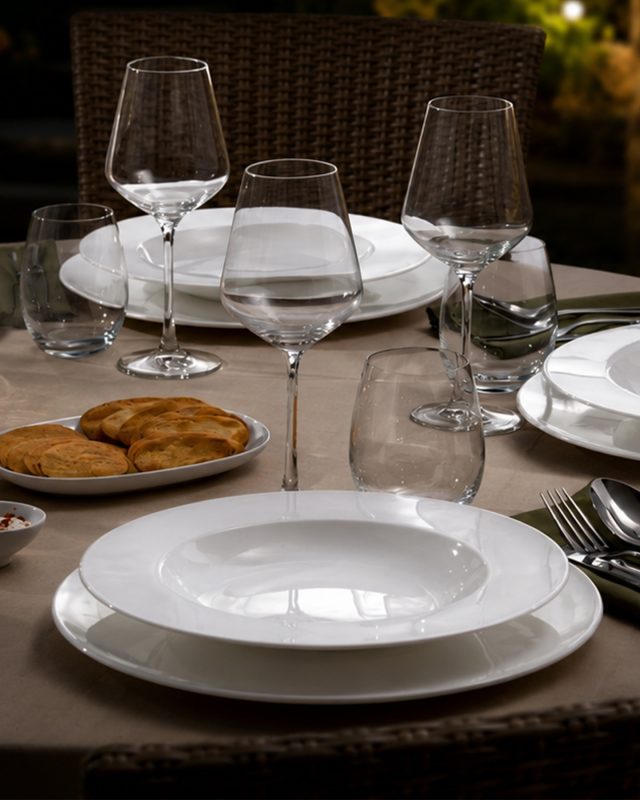
| Casual Restaurant | Durable Porcelain |
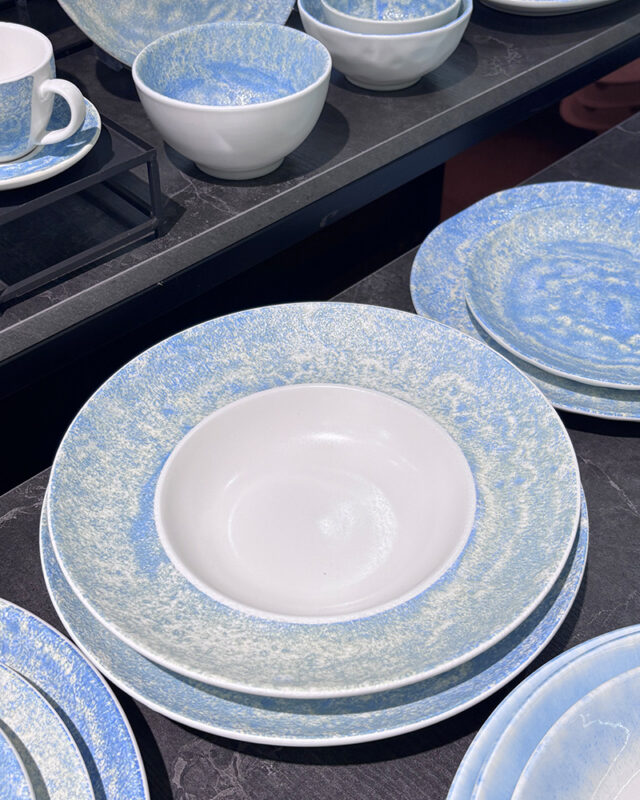
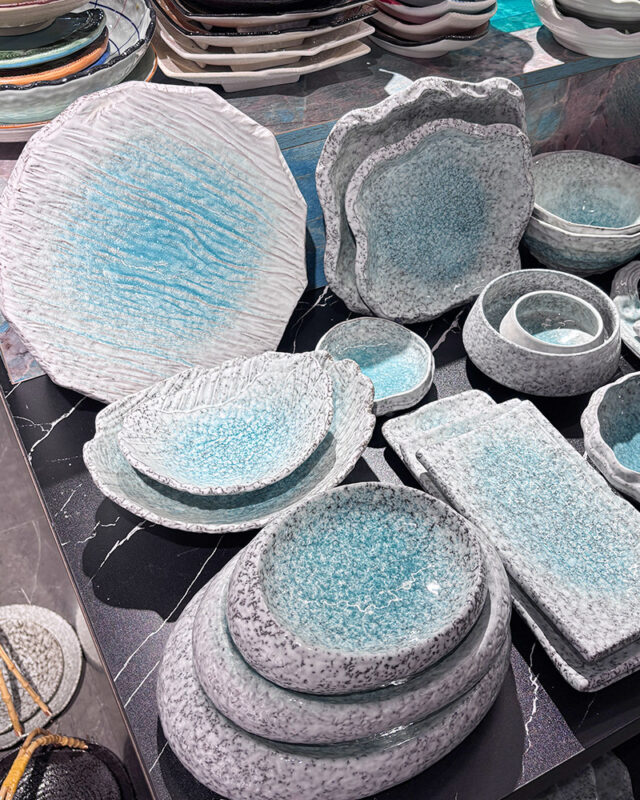
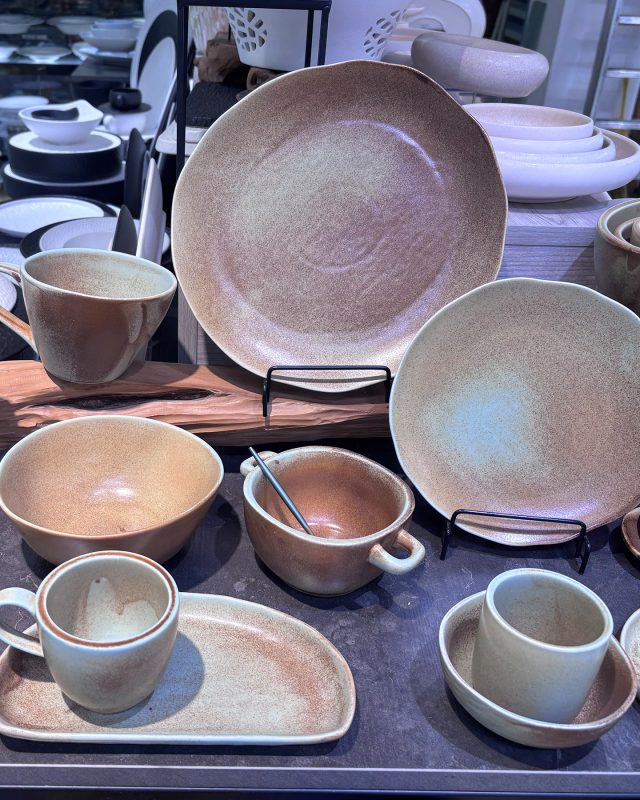
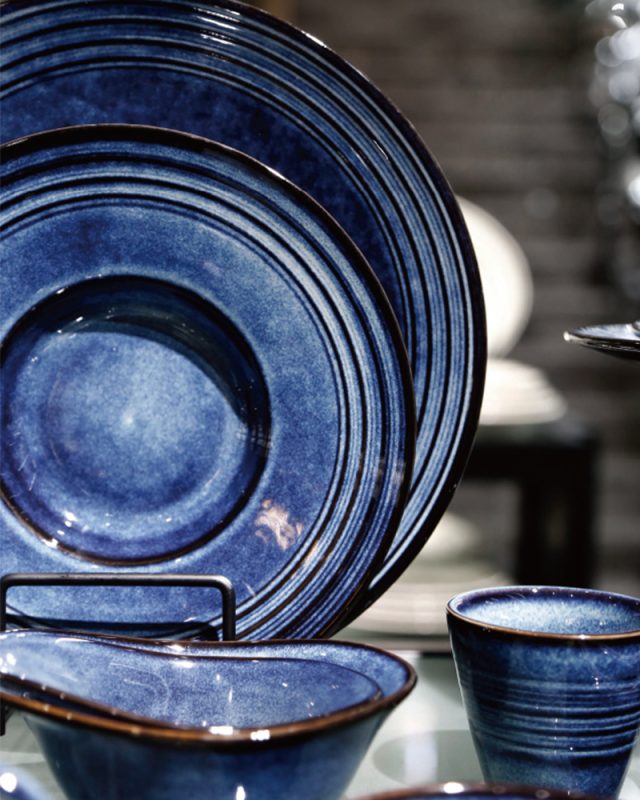
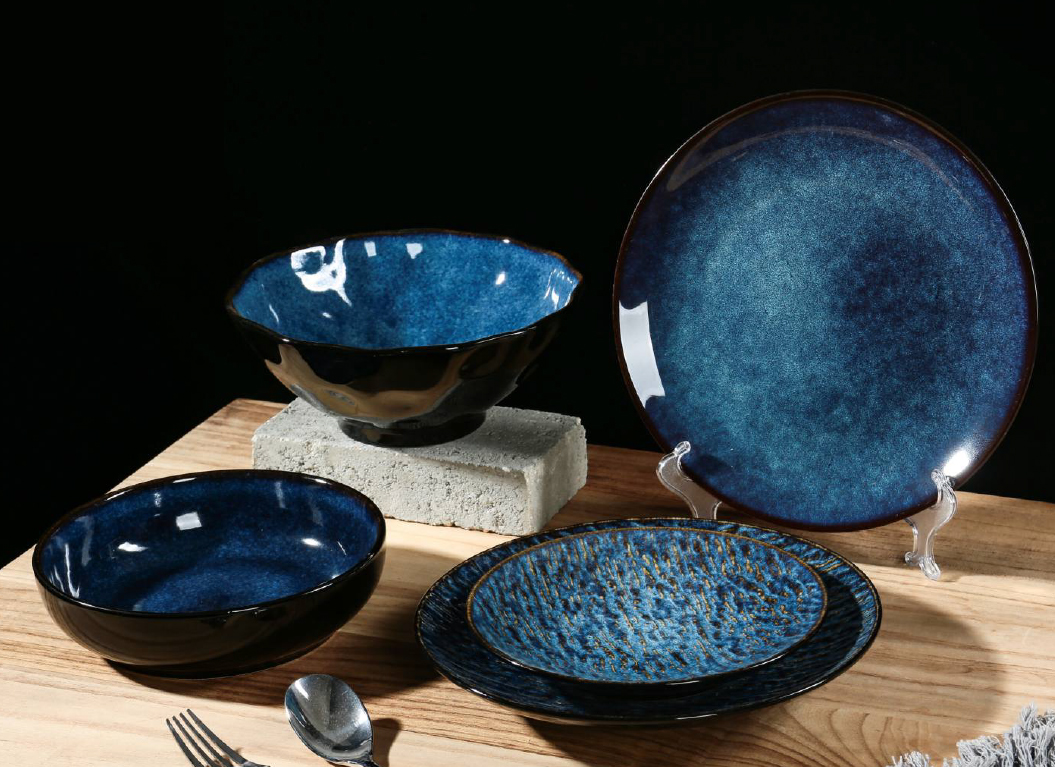
| Café | Reactive Glaze Stoneware |
| Hotel Buffet | Stackable White Porcelain |
| Steakhouse | Large Matte Stoneware Plates |
| Asian Restaurant | Bowls with Matching Side Plates |
Your dinnerware should complement your interior design, menu presentation, and customer expectations while remaining practical for daily commercial use.
Professional buyers usually standardize colors and collections to simplify future replacement orders.
Step 2. Choose the Right Ceramic Material
One of the biggest purchasing decisions is selecting the appropriate material.
Porcelain
Advantages
- Bright white appearance
- High density
- Low water absorption
- Excellent durability
- Ideal for restaurants and hotels
Best for
- Hotels
- Fine dining
- Chain restaurants
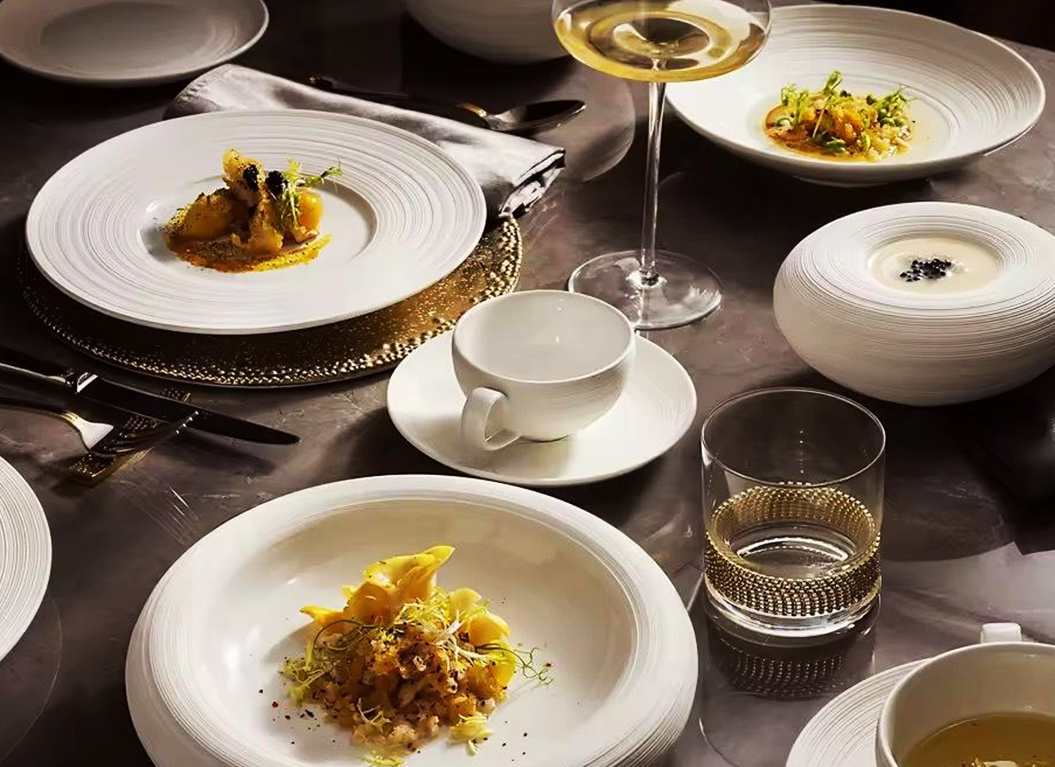
Stoneware
Advantages
- Rustic appearance
- Natural glaze effects
- Excellent heat retention
- Strong visual presentation
Best for
- Cafés
- Western restaurants
- Boutique restaurants
Bone China
Advantages
- Luxury appearance
- Lightweight
- High translucency
Best for
- Luxury hotels
- Banquet venues
- Premium restaurants
When selecting the best ceramic dinnerware for restaurants, consider both aesthetics and operational efficiency.
Step 3. Evaluate Durability for Commercial Use
Restaurant dinnerware is used hundreds of times every month.
Instead of focusing only on appearance, evaluate performance.
Ask suppliers about:
- Chip resistance
- Scratch resistance
- Thermal shock resistance
- Dishwasher safety
- Microwave safety
- Oven compatibility
- Stackability
- Long-term glaze durability
A slightly higher-quality product often reduces replacement costs and minimizes operational interruptions.
Step 4. Select Practical Sizes for Daily Operations
Many buyers purchase attractive plates that are impractical for service.
Typical commercial sizes include:
| Product | Common Size |
| Dinner Plate | 10–12 inch |
| Salad Plate | 7–8 inch |
| Dessert Plate | 6 inch |
| Soup Bowl | 18–24 oz |
| Pasta Bowl | 9–10 inch |
| Serving Platter | 12–16 inch |
Restaurants should choose standardized sizes that optimize storage, dishwasher capacity, and food presentation.
Step 5. Consider Customization and Brand Identity
Modern restaurants increasingly use customized dinnerware to strengthen brand recognition.
Common OEM customization options include:
- Logo printing
- Embossed logo
- Decal decoration
- Reactive glaze colors
- Custom shapes
- Exclusive collections
- Customized packaging
A reliable restaurant dinnerware supplier should provide design support, sampling, and consistent production quality.
Customized dinnerware helps restaurants create memorable dining experiences while reinforcing their brand image.
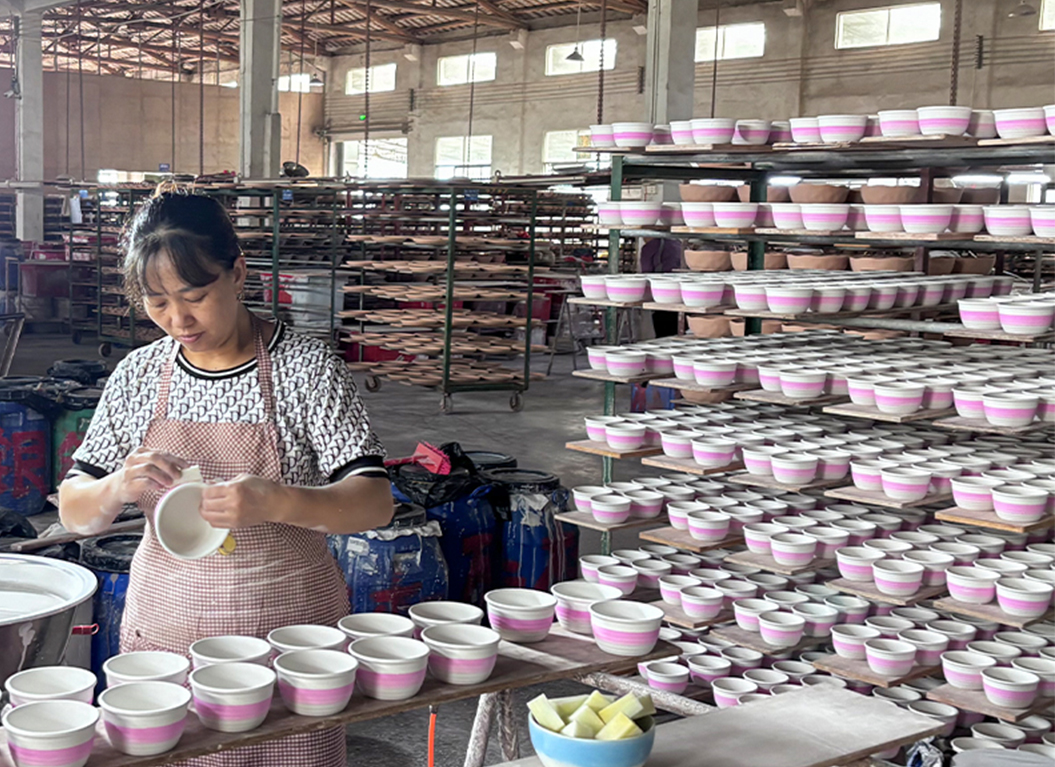
Step 6. Evaluate the Manufacturer, Not Just the Product
Choosing the right supplier is just as important as choosing the right dinnerware.
Professional buyers evaluate:
Manufacturing Capacity
Can the factory handle large-volume orders?
Quality Control
Does the supplier inspect raw materials, glazing, firing, and finished products?
OEM Experience
Has the manufacturer supplied restaurants, hotels, or international distributors?
Export Experience
Does the supplier understand international packaging standards and shipping requirements?
Production Consistency
Can future orders match previous colors, sizes, and glaze finishes?
Long-term consistency is often more valuable than obtaining the lowest initial price.

Step 7. Ask About Replacement Availability
Restaurant dinnerware inevitably experiences breakage during daily use.
Before placing an order, ask:
- Can identical products be reordered?
- Is the glaze color stable across production batches?
- Are molds retained for future production?
- What is the minimum reorder quantity?
Planning for replacement reduces inventory management challenges and extends the service life of your dinnerware collection.
Common Purchasing Mistakes
Many buyers make avoidable mistakes during procurement.
Mistake 1: Choosing Household Dinnerware
Residential products are not designed for intensive commercial use.
Mistake 2: Focusing Only on Price
The cheapest products often have higher replacement rates, increasing total operating costs.
Mistake 3: Ignoring Quality Inspection
Ask for inspection reports, testing standards, and production quality procedures.
Mistake 4: Ordering Too Many Designs
Restaurants benefit from maintaining a consistent visual identity.
Mistake 5: Not Planning for Future Expansion
Choose collections that can be expanded with matching bowls, mugs, platters, and serving pieces.
Professional Recommendations from an Experienced Manufacturer
Based on years of OEM manufacturing experience, we recommend that restaurant buyers prioritize long-term value instead of the lowest quotation.
Look for suppliers that offer:
- Stable product quality
- Professional design assistance
- OEM & ODM services
- Strict quality inspection
- Reliable production schedules
- Flexible customization
- Consistent replacement support
- Export packaging expertise
At Meinai Tableware, we manufacture commercial ceramic dinnerware for restaurants, hotels, wholesalers, distributors, and private-label brands worldwide. From concept development and sampling to mass production and export, our team helps customers build durable and distinctive dinnerware collections tailored to their business needs.
Frequently Asked Questions
What is the best ceramic dinnerware for restaurants?
Porcelain is the most popular choice because it combines durability, elegance, and low water absorption. Stoneware is ideal for rustic or contemporary dining concepts, while bone china suits luxury hospitality.
How many dinnerware sets should a restaurant purchase?
Most restaurants order enough inventory to support seating capacity plus additional stock for replacement and peak service periods. A reserve of 20–30% is commonly recommended.
Is porcelain stronger than ceramic?
Porcelain is a type of ceramic fired at a higher temperature, making it denser, less porous, and generally more durable for commercial restaurant use.
Can restaurants customize ceramic dinnerware?
Yes. Many manufacturers provide OEM and private-label services, including logo printing, custom glazes, embossed branding, unique shapes, and custom packaging.
How long does OEM production usually take?
Production timelines depend on design complexity and order quantity. Most customized restaurant dinnerware projects require several weeks after sample approval and order confirmation.
How do I choose a reliable restaurant dinnerware supplier?
Evaluate manufacturing capability, quality control processes, export experience, customization options, production consistency, and long-term replacement support—not just price.
Conclusion
Selecting the best ceramic dinnerware for restaurants requires balancing aesthetics, durability, operational efficiency, and supplier reliability. By following a structured purchasing process, restaurant owners and commercial buyers can reduce replacement costs, improve food presentation, and build a consistent brand experience for their customers.
Working with an experienced ceramic dinnerware manufacturer also ensures stable production quality, customization flexibility, and dependable long-term supply—key factors for successful restaurant operations.
Request a Free Consultation
Looking for a trusted restaurant dinnerware supplier in China?
Meinai Tableware specializes in OEM and ODM ceramic dinnerware for restaurants, hotels, wholesalers, distributors, and hospitality brands worldwide.
We offer:
- Custom logo and private label services
- Factory-direct manufacturing
- Strict quality inspection
- Stable bulk production
- Flexible OEM & ODM solutions
- Global export experience
Contact our team today to discuss your project, request samples, and receive a customized quotation.