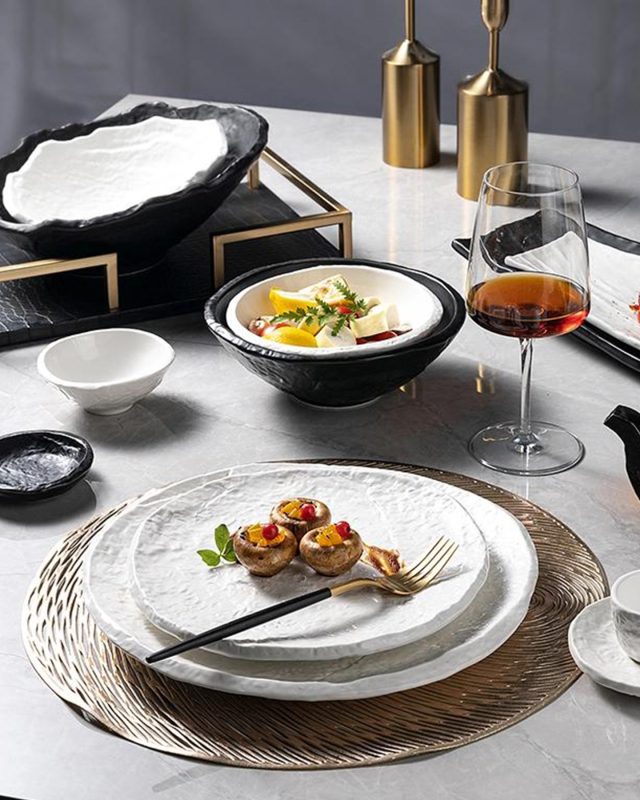





How to Choose Restaurant Dinnerware: Complete Buying Guide for Restaurant Owners

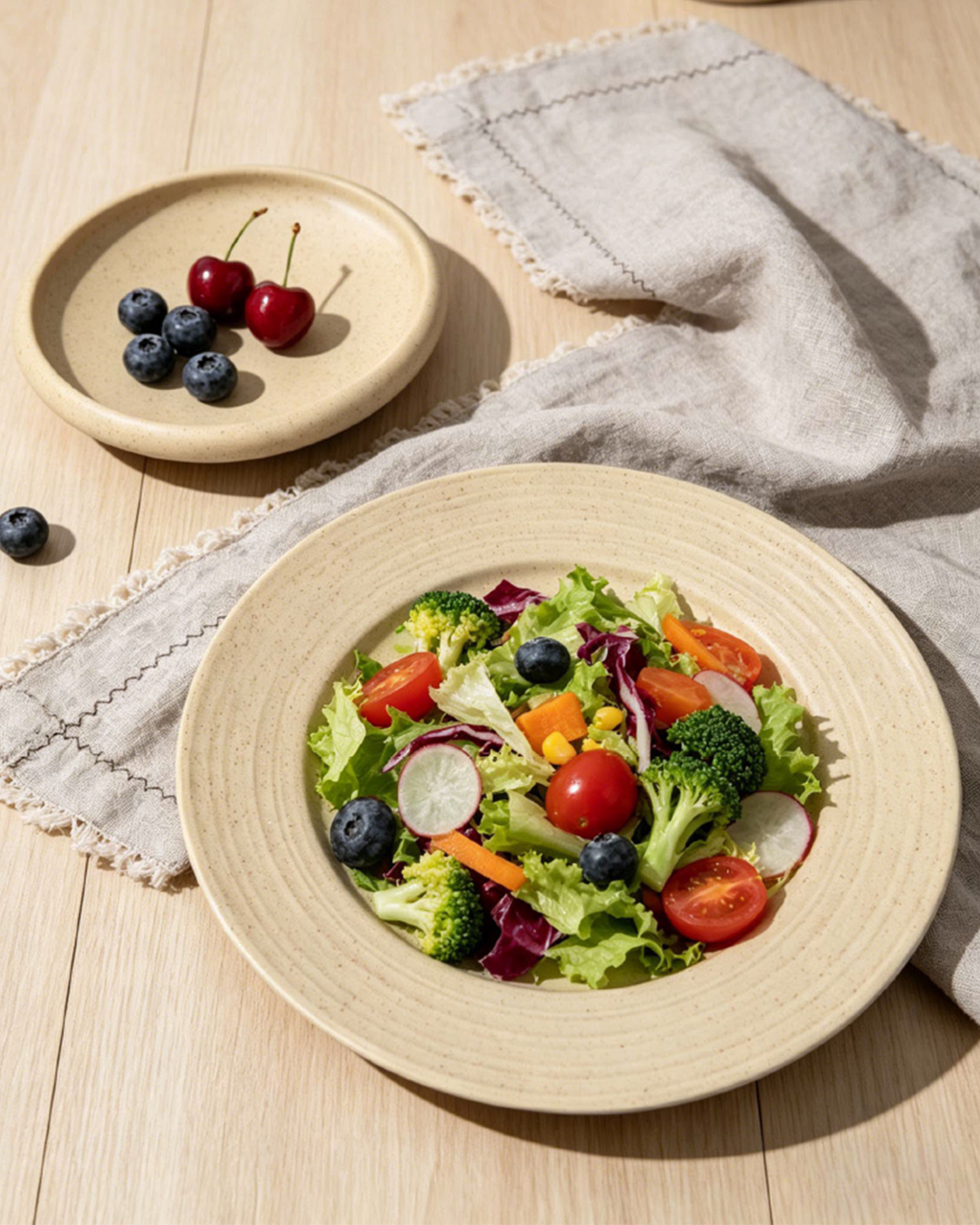
Choosing the right restaurant dinnerware is one of the most important decisions when opening or upgrading a restaurant. Your tableware not only affects food presentation but also impacts customer experience, brand image, and long-term operating costs.
Whether you are launching a new restaurant or replacing existing plates and bowls, this guide will help you understand how to choose the best commercial dinnerware and work with a reliable restaurant tableware supplier.
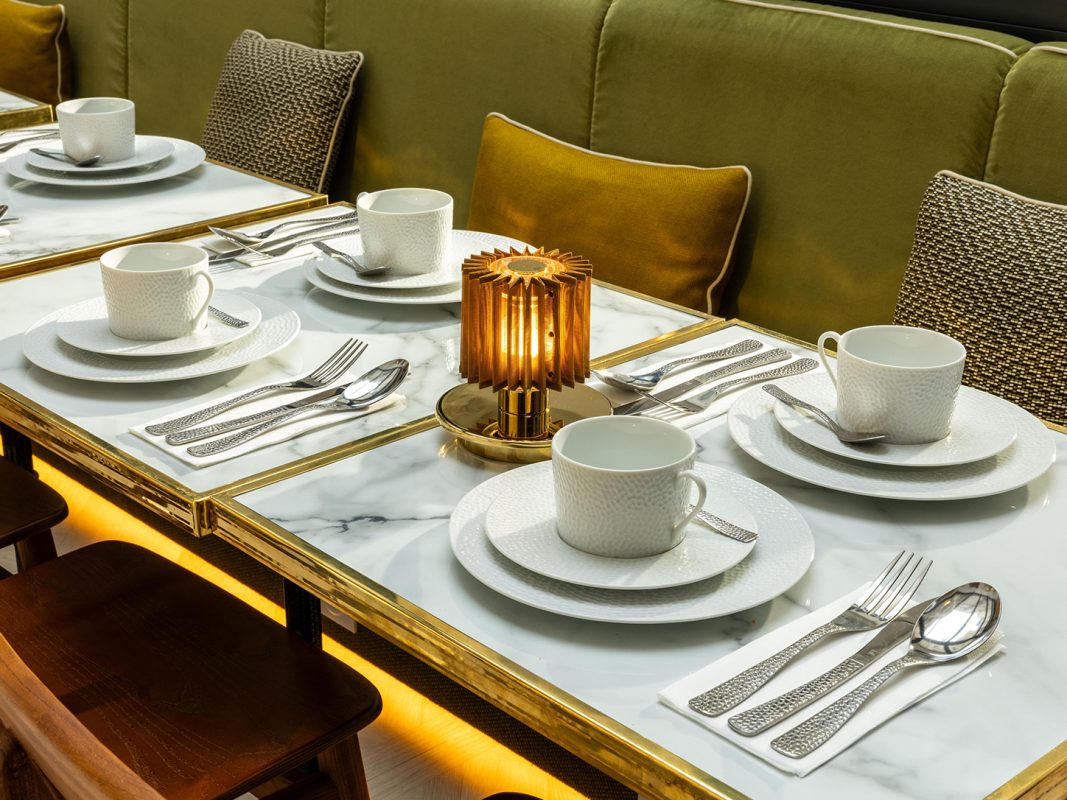
Why Restaurant Dinnerware Matters More Than You Think
Many restaurant owners underestimate the importance of dinnerware. However, the right choice can:
- Enhance food presentation and perceived value
- Strengthen your brand identity
- Improve operational efficiency
- Reduce replacement costs
High-quality restaurant tableware is not an expense — it is an investment.
Step 1: Define Your Restaurant Concept
Before selecting any dinnerware, you need to clearly define your restaurant type:
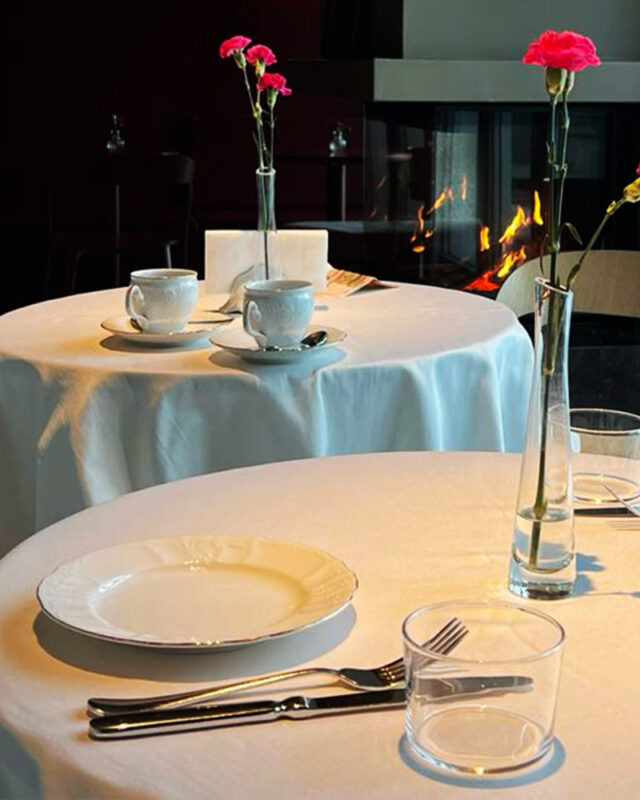
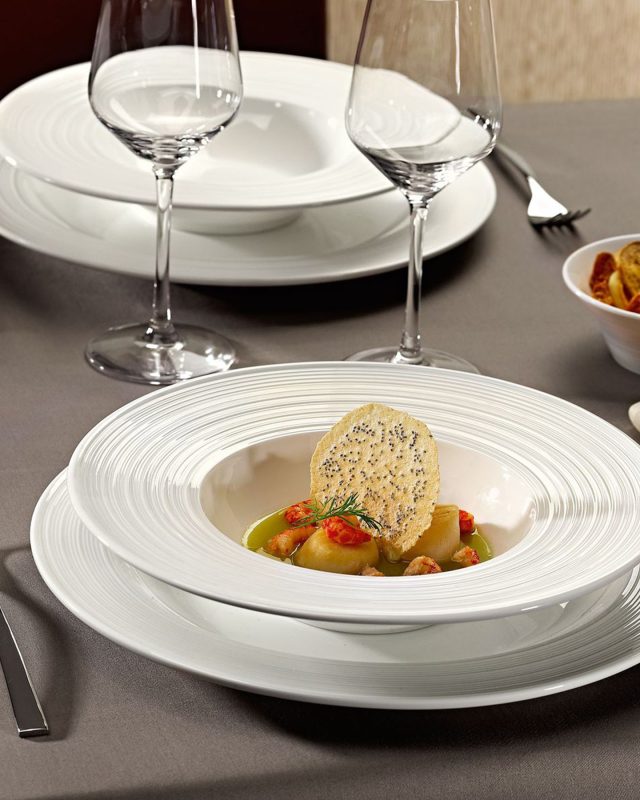
Fine Dining
- Elegant, thin, high-end materials
- Recommended: Bone china or high-grade porcelain
Casual Dining
- Durable, versatile, cost-effective
- Recommended: Porcelain or stoneware
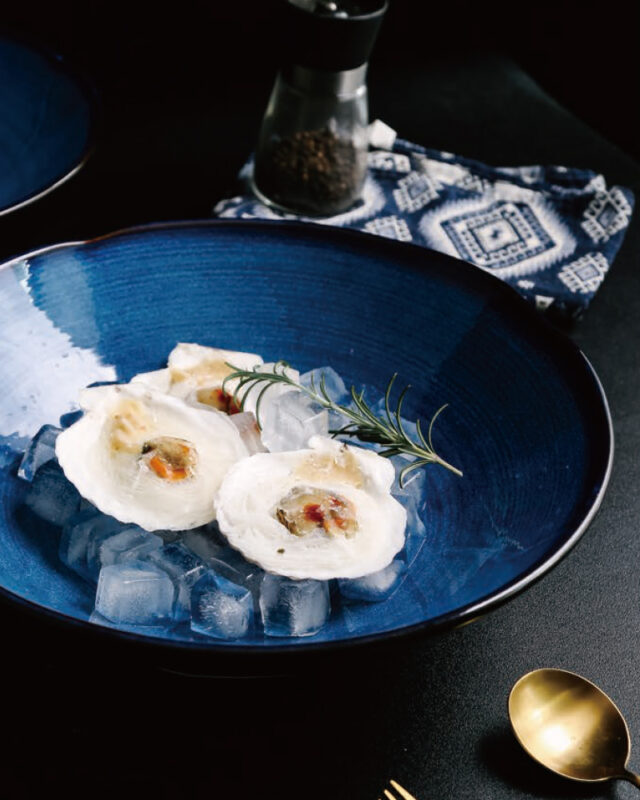
Café / Bistro
- Stylish, unique, Instagram-friendly
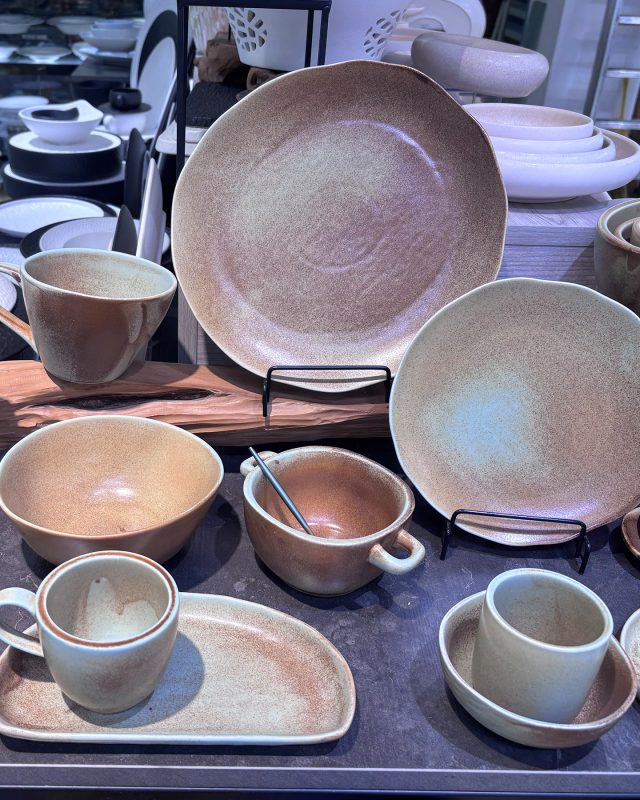
- Recommended: Matte glaze, textured stoneware
Buffet / Hotel Use
- Stackable, durable, uniform
- Recommended: Reinforced porcelain
Your concept determines 80% of your dinnerware decisions.
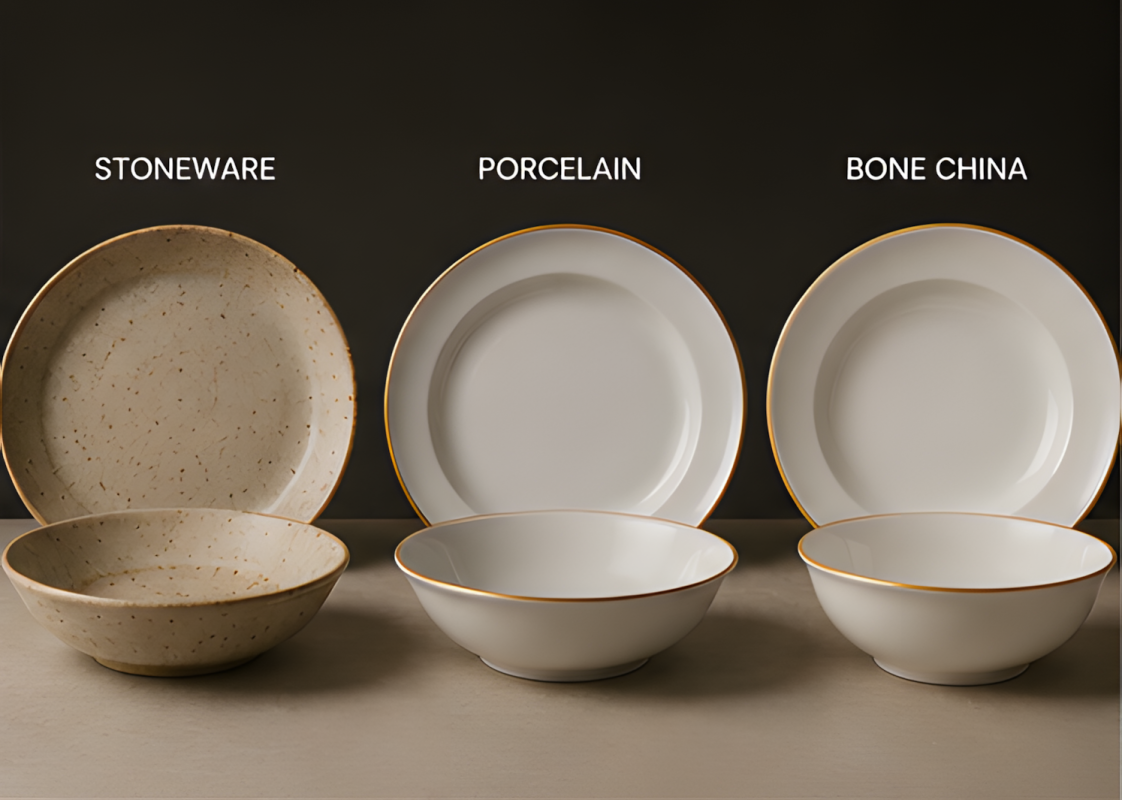
Step 2: Choose the Right Material (Durability Guide)
One of the biggest concerns for buyers is:
Which material is the most durable?
1. Porcelain (Best Overall Choice)
- High firing temperature
- Strong, chip-resistant
- Suitable for most restaurants
✔ Recommended for: restaurants, hotels, chains
2. Bone China (Premium Option)
- Lightweight and elegant
- High-end appearance
❌ Less impact-resistant than porcelain
✔ Recommended for: fine dining
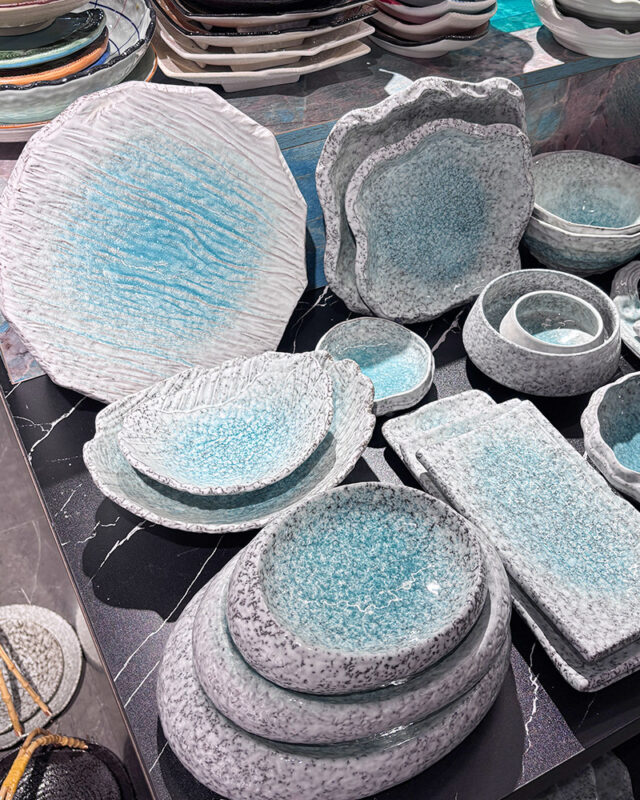
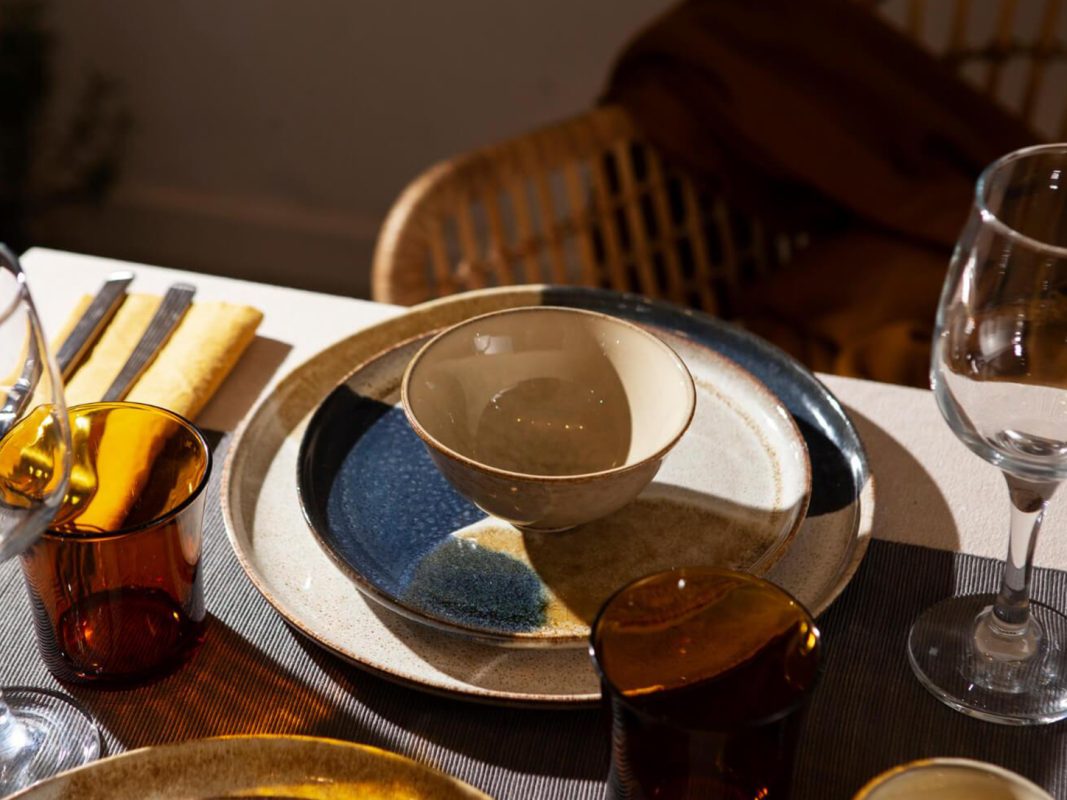
3. Stoneware (Rustic Style)
- Thick and heavy
- Handmade appearance
❌ Can chip easier under heavy use
✔ Recommended for: cafés and casual dining
4. Ceramic (General Category)
- Cost-effective
- Wide variety
✔ Recommended for: budget-conscious buyers
Conclusion:
For most restaurant owners, porcelain offers the best balance of durability, price, and aesthetics.
Step 3: Focus on Durability for Commercial Use
Commercial dinnerware must handle:
- Frequent washing (dishwasher safe)
- High stacking pressure
- Daily heavy usage
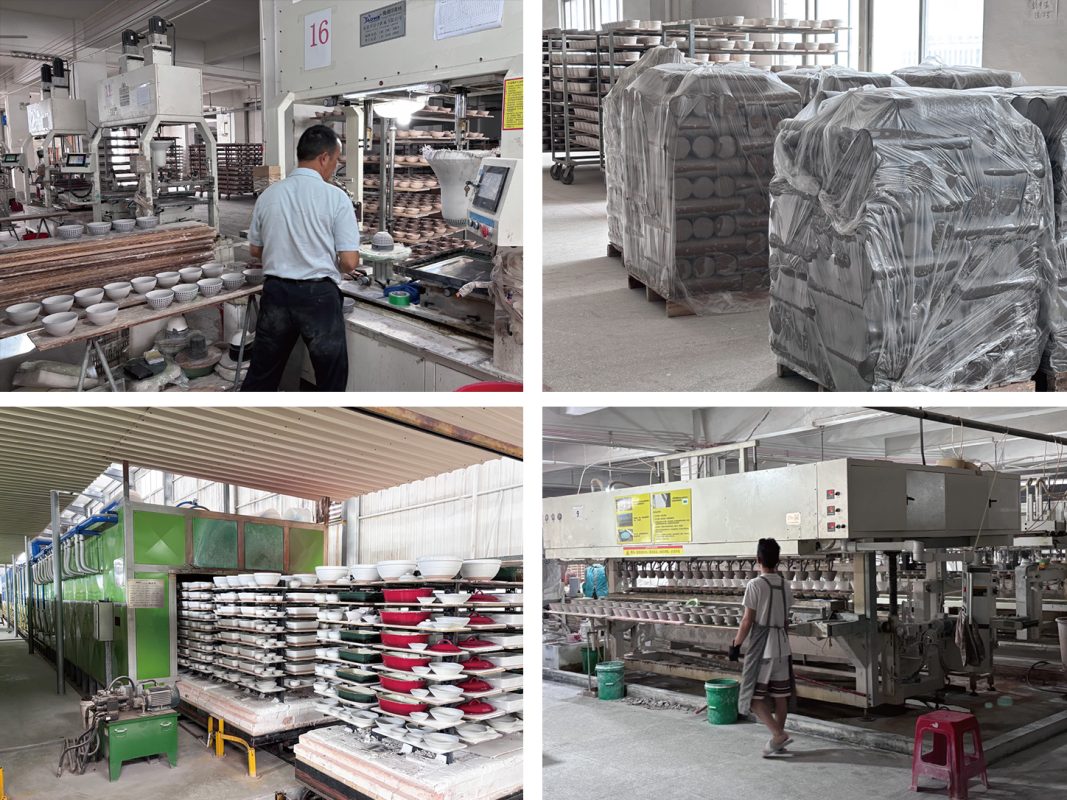
Key durability factors:
- Chip resistance
- Scratch resistance
- Thermal shock resistance
- Glaze quality
Always ask your restaurant tableware supplier for durability specifications.
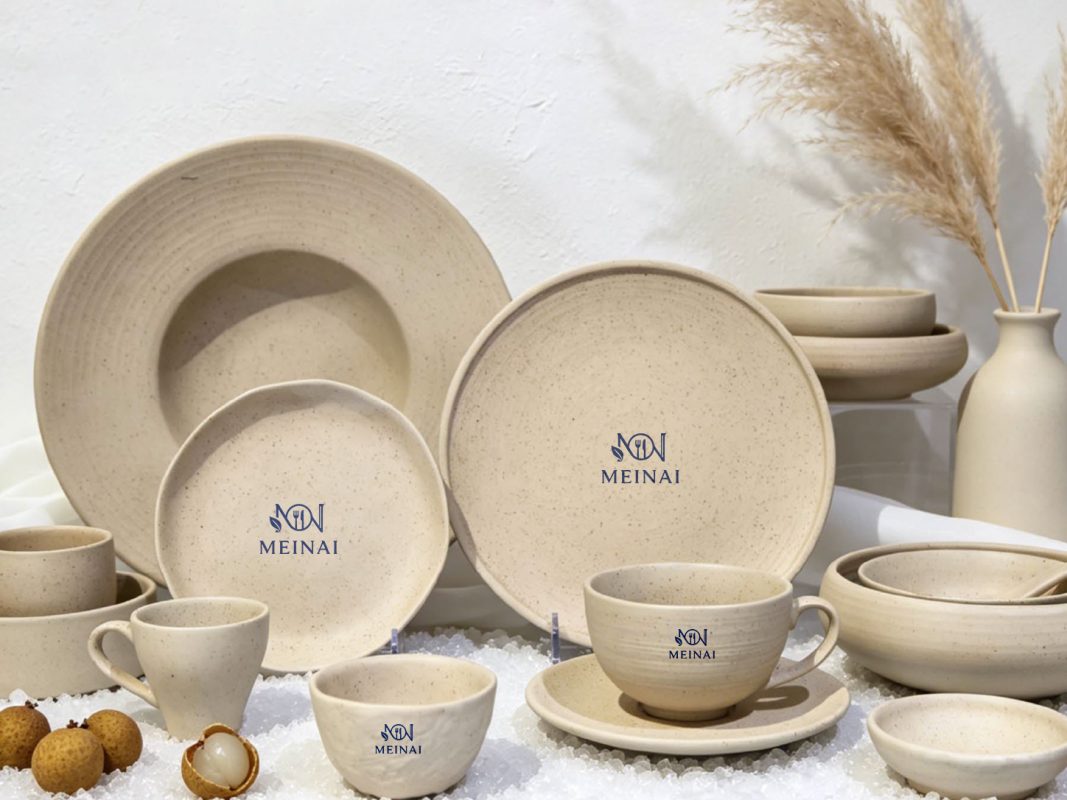
Step 4: Select the Right Shapes and Sizes
Practicality is just as important as appearance.
Essential items:
- Dinner plates (10–12 inch)
- Salad plates (6–8 inch)
- Bowls (soup, pasta, dessert)
- Cups and saucers
Pro tips:
- Choose stackable designs to save storage space
- Avoid overly complex shapes for daily use
- Standardize sizes for kitchen efficiency
Step 5: Design & Branding
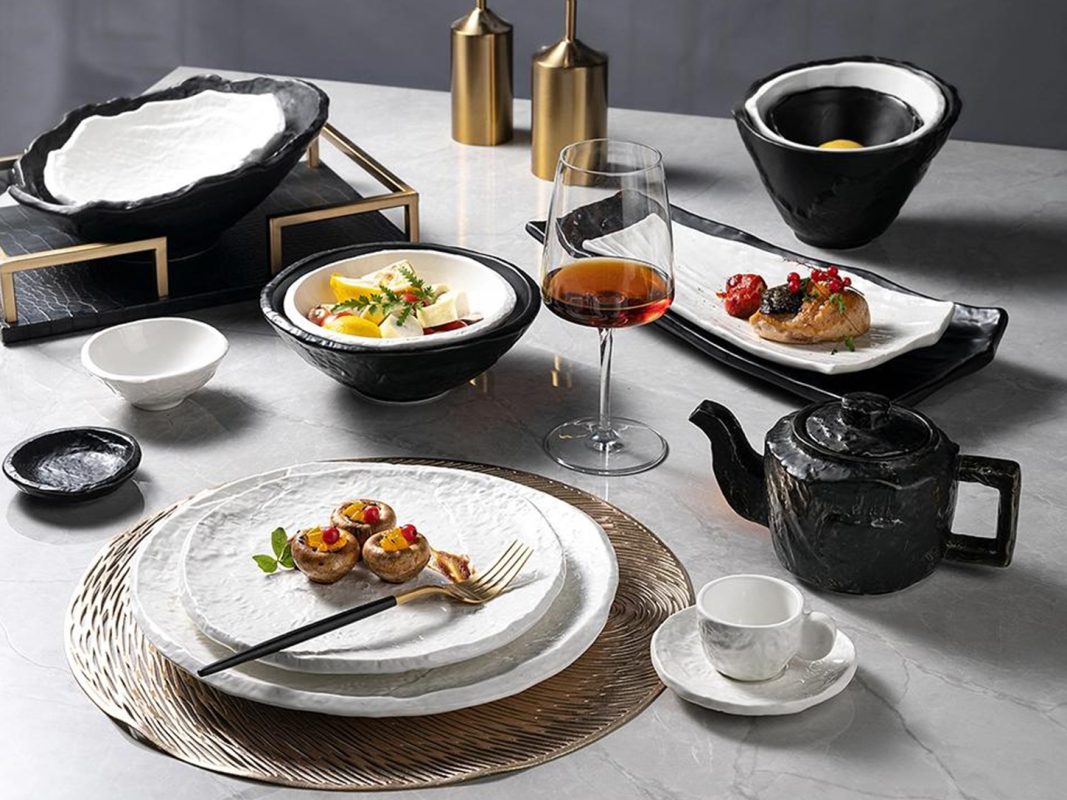
Your dinnerware should reflect your brand identity.
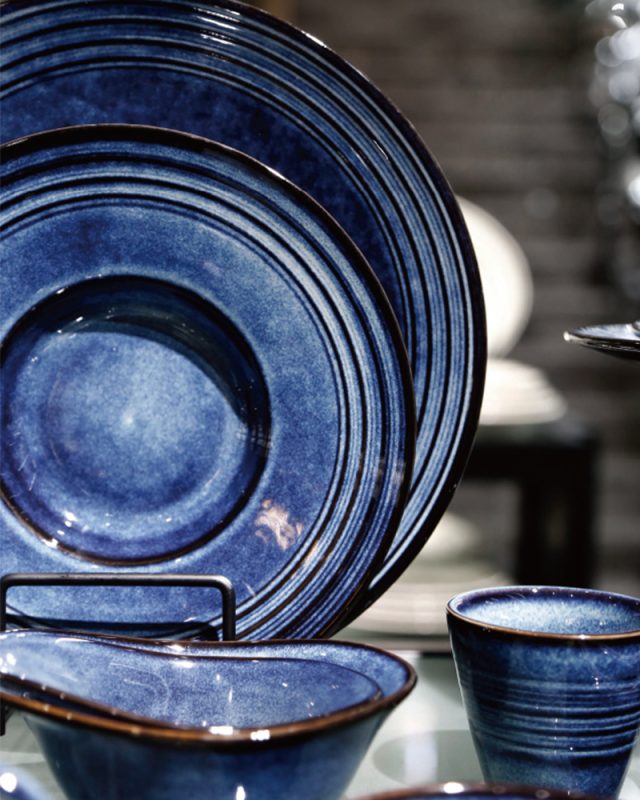
Popular trends:
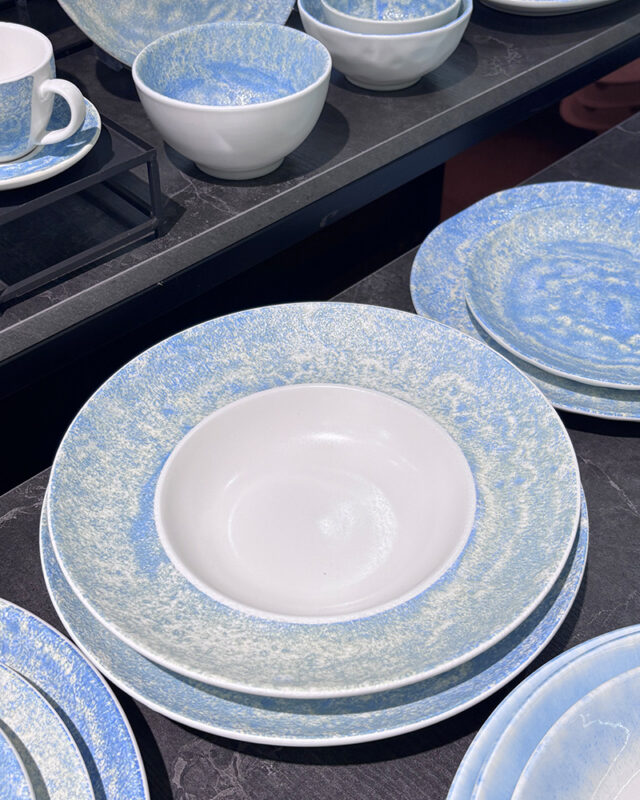
- Matte finish (modern restaurants)
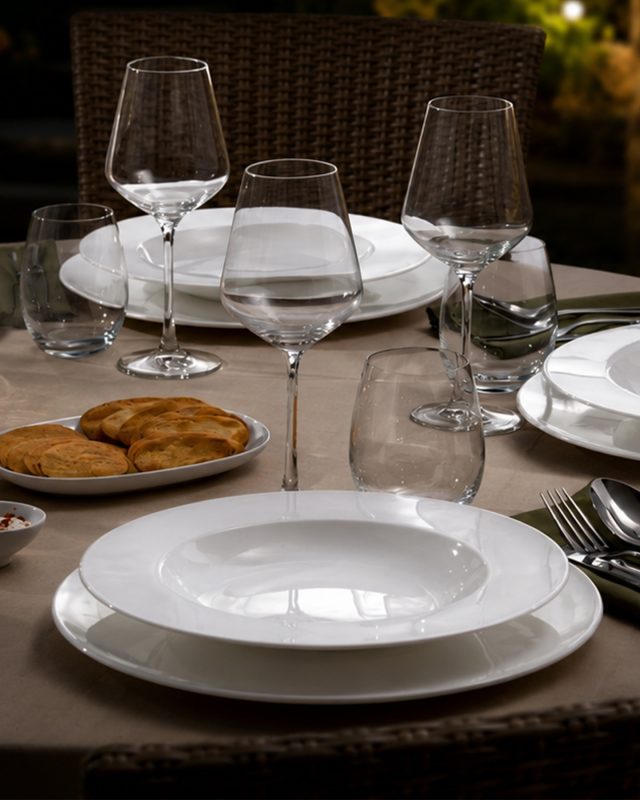
- Glossy white (classic and versatile)
- Earth tones (natural style cafés)
Custom logo options:
- Decal printing
- Embossed logo
- Color customization
Custom branding helps your restaurant stand out and improves customer recall.
Step 6: How to Control Costs (Very Important)
Cost control is a major concern for restaurant owners.
1. Choose the Right Material
Porcelain = best long-term value
2. Avoid Over-Customization
Start with standard shapes + logo
3. Order in Bulk
Higher quantity = lower unit price
4. Consider Replacement Rate
Cheap products may cost more over time
Cost Example (Reference)
- Basic porcelain plates: $1.5 – $3
- Premium bone china: $3 – $8
- Custom logo: +10%–20%
Always calculate cost per use, not just purchase price.
Step 7: Work with the Right Restaurant Tableware Supplier
Choosing the right supplier is critical.
Look for:
- Experience in commercial dinnerware
- Stable quality control
- OEM & customization capability
- Export experience
- Clear communication
Questions to ask:
- What is your MOQ?
- Can you provide samples?
- What is the lead time?
- Do you support custom logo printing?
Step 8: New Restaurant Checklist
If you are opening a new restaurant, make sure you:
✔ Define concept and style
✔ Choose durable material
✔ Standardize sizes
✔ Calculate budget
✔ Test samples before bulk order
✔ Confirm supplier reliability
Common Mistakes to Avoid
- Choosing based on price only
- Ignoring durability
- Ordering too many styles
- Skipping sample testing
- Working with inexperienced suppliers
Conclusion
Choosing the right restaurant dinnerware is a balance between durability, design, and cost. For most restaurant owners, porcelain dinnerware offers the best solution for long-term performance and brand presentation.
By working with a reliable restaurant tableware supplier, you can ensure consistent quality, better pricing, and a smooth procurement process.
Get Professional Dinnerware Solutions
Looking for high-quality commercial dinnerware?
We provide:
- Durable porcelain dinnerware
- Custom logo printing
- OEM & private label services
- Competitive factory pricing
Contact us today to get a free catalog and quotation for your restaurant project.
Ready to Upgrade Your Restaurant Dinnerware?
✔ Commercial Porcelain Dinnerware
✔ OEM & ODM Manufacturing
✔ Custom Logo Printing
✔ Hotel & Restaurant Projects
✔ Factory Direct Pricing
👉 Request a Free Catalog Today
👉 Get Your Custom Quotation Within 24 Hours