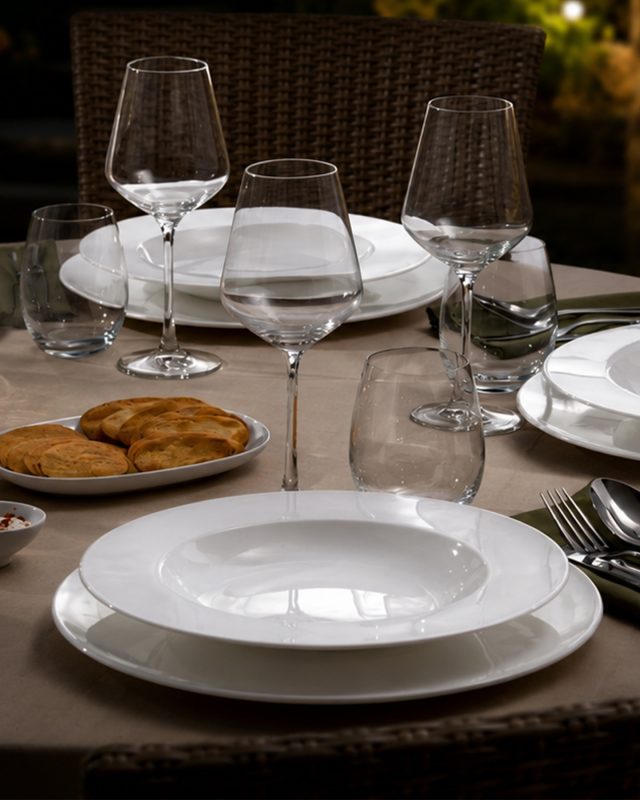





Wholesale Ceramic Plates Supplier: What Importers Need to Know Before Buying in Bulk (2026 Guide)

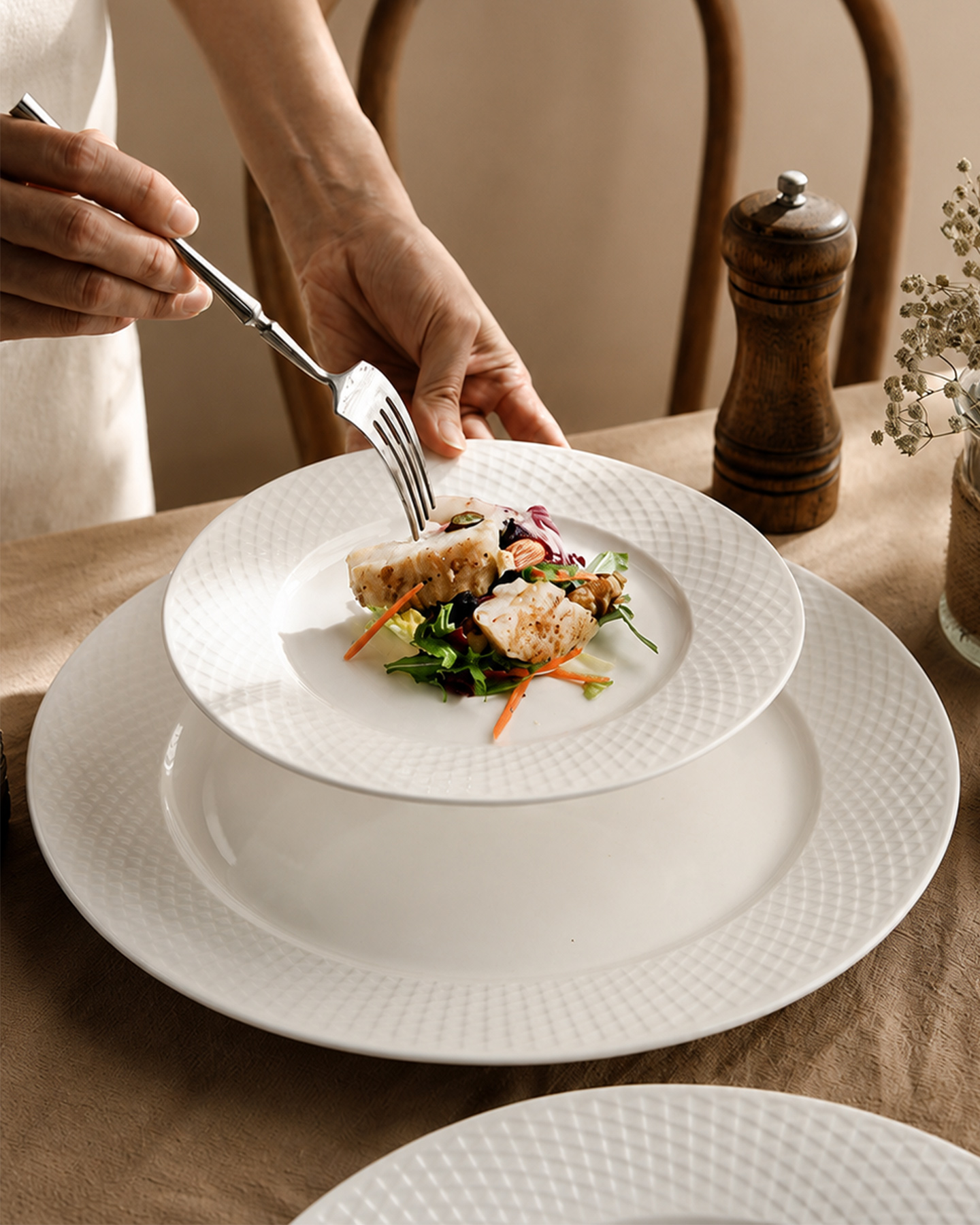
Choosing the right wholesale ceramic plates supplier is one of the most important decisions for importers, distributors, hotel procurement teams, and restaurant chains. The supplier you choose directly affects product quality, delivery reliability, pricing, and ultimately your business reputation.
Whether you are a first-time ceramic plates importer or an experienced buyer looking for a long-term manufacturing partner, understanding the key factors before placing an order can help reduce risks and improve profitability.
This guide explains everything you need to know about buying ceramic plates in bulk, from MOQ and pricing to lead times, supplier selection, and OEM customization.
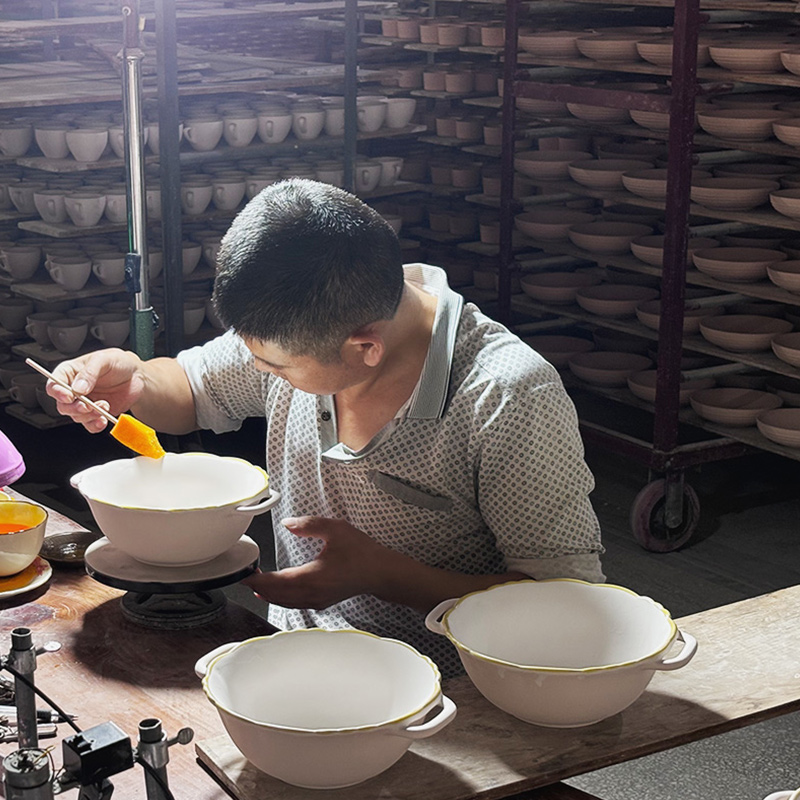
Why Buy Ceramic Plates Directly from a Manufacturer?
Working directly with a ceramic plate manufacturer instead of a trading company offers several advantages:
- More competitive factory pricing
- Better quality control throughout production
- Flexible OEM and private label services
- Faster communication and technical support
- Greater customization options for hotels and restaurant brands
- Stable long-term supply capacity
For hospitality businesses and wholesalers, building a relationship with a reliable manufacturer often results in lower purchasing costs and more consistent product quality over time.
Understanding MOQ (Minimum Order Quantity)
One of the first questions buyers ask is:
What is the MOQ?
The answer depends on the product type and customization requirements.
Typical MOQ ranges include:
| Product Type | Typical MOQ |
|---|---|
| Standard ceramic plates | 200–500 pcs |
| Dinnerware sets | 100–300 sets |
| Custom logo plates | 300–500 pcs per design |
| New mold or custom shape | Higher MOQ depending on tooling |
If you are launching a new collection, discuss your expected annual purchasing volume with the supplier. Many manufacturers are willing to provide more flexible MOQ solutions for long-term partners.
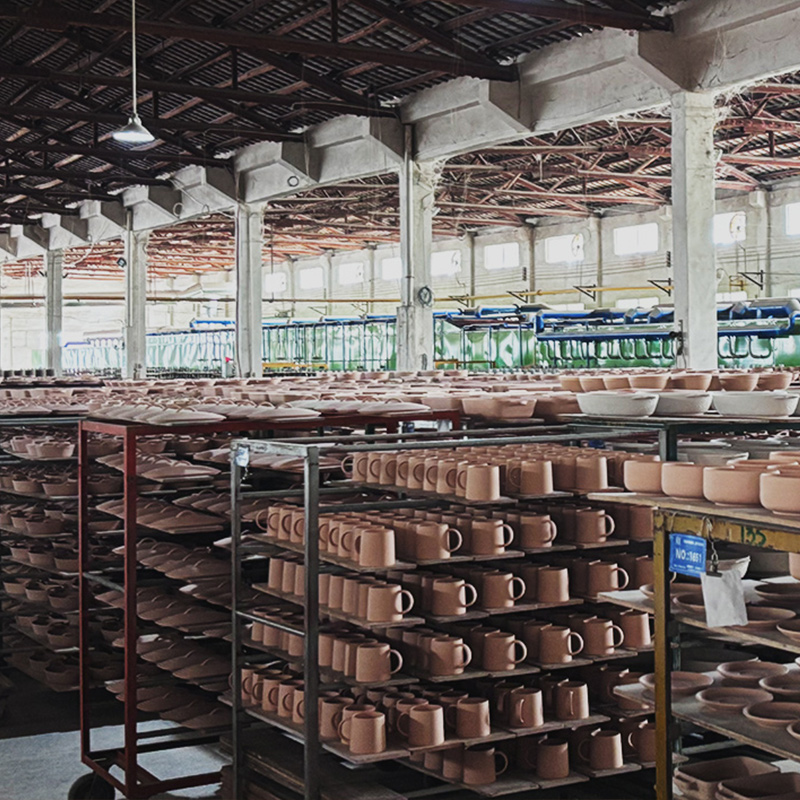
How Ceramic Plate Prices Are Determined
Many importers compare prices without understanding what affects manufacturing costs.
The final quotation usually depends on:
- Material (Porcelain, Stoneware, Bone China)
- Plate size and thickness
- Glaze type
- Surface decoration
- Custom logo printing
- Packaging requirements
- Order quantity
- Shipping destination
Generally, larger orders reduce the unit cost because production efficiency improves and fixed manufacturing expenses are spread across more products.
Instead of selecting the lowest price, buyers should compare the overall value, including quality consistency, production capability, packaging, and after-sales service.
Typical Production Lead Time
Production time is another critical factor when planning inventory.
A typical production schedule is:
- Sample development: 7–15 days
- Sample approval: 3–7 days
- Mass production: 30–45 days
- Quality inspection: 2–5 days
- Ocean shipping: Depending on destination
During peak seasons, lead times may increase, so experienced importers usually place orders several months in advance.
Maintaining regular communication with your supplier can help avoid unexpected delays.
How to Choose the Right Wholesale Ceramic Plates Supplier
Not all suppliers offer the same manufacturing capabilities.
Before making a purchasing decision, evaluate the following:
Manufacturing Experience
Choose factories with several years of export experience serving international customers.
Experienced manufacturers understand quality standards, export documentation, and packaging requirements for overseas markets.
Quality Control System
Ask about:
- Raw material inspection
- In-process quality control
- Finished product inspection
- Third-party inspections if required
Reliable factories should perform 100% quality inspections before shipment.
Production Capacity
A supplier should be able to support your business growth.
Check:
- Factory size
- Number of production lines
- Kiln capacity
- Monthly production volume
Stable production capacity reduces the risk of delivery delays.
Certifications
Depending on your target market, certifications such as FDA, LFGB, SGS, or ISO quality management systems can provide additional confidence in product safety and manufacturing standards.
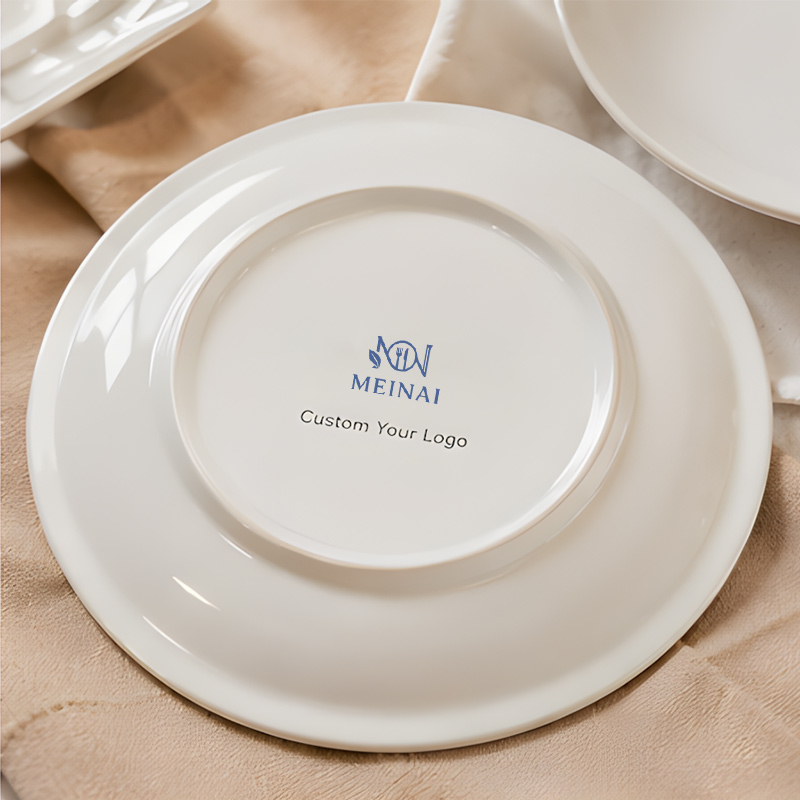
OEM & Custom Ceramic Plates
Many restaurants, hotels, cafés, and retail brands prefer customized dinnerware rather than standard products.
Professional manufacturers typically support:
- Custom logo printing
- Custom colors
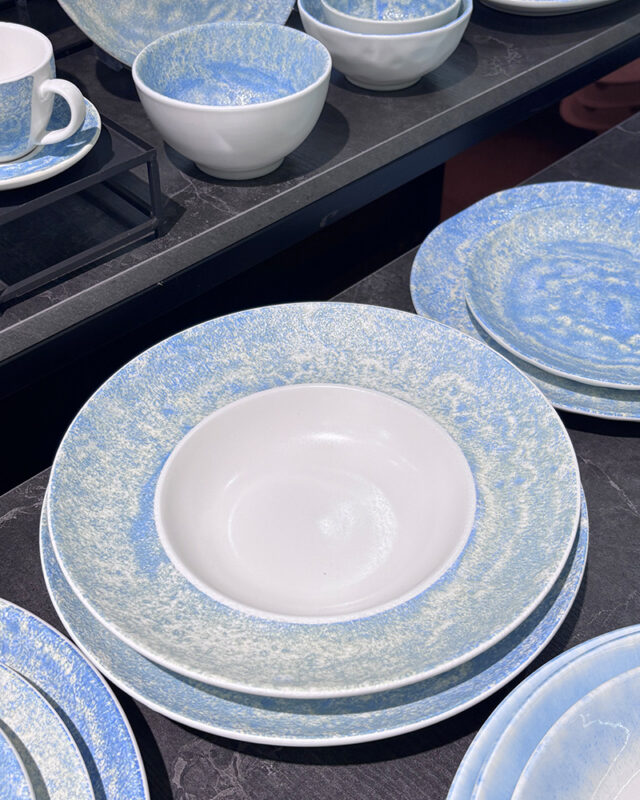
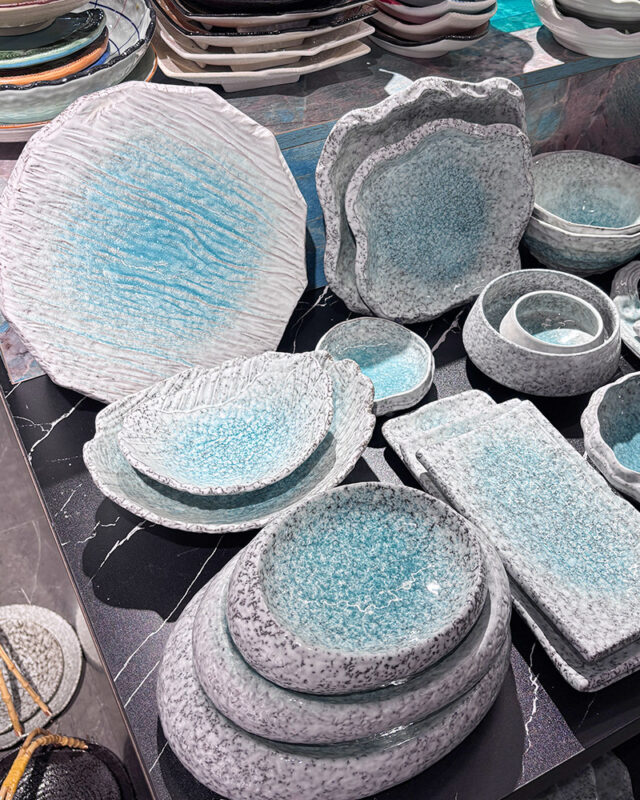
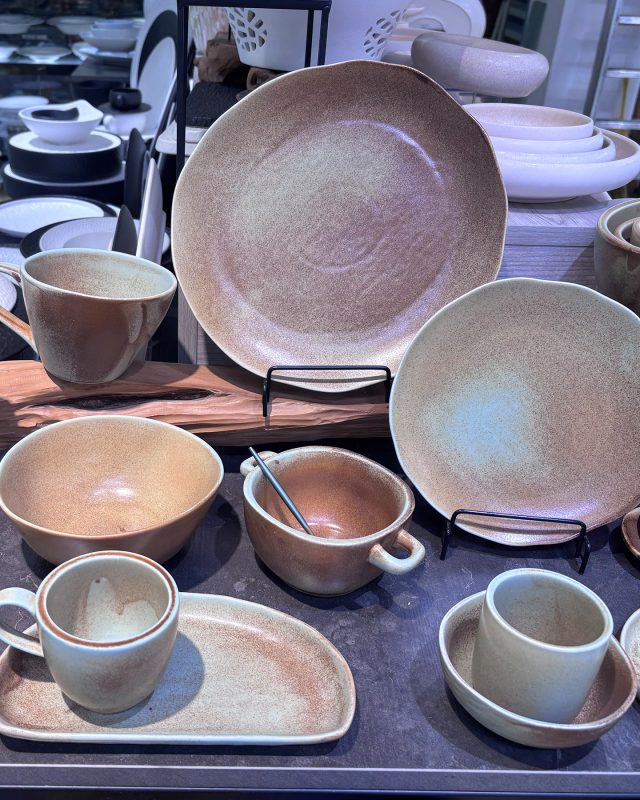
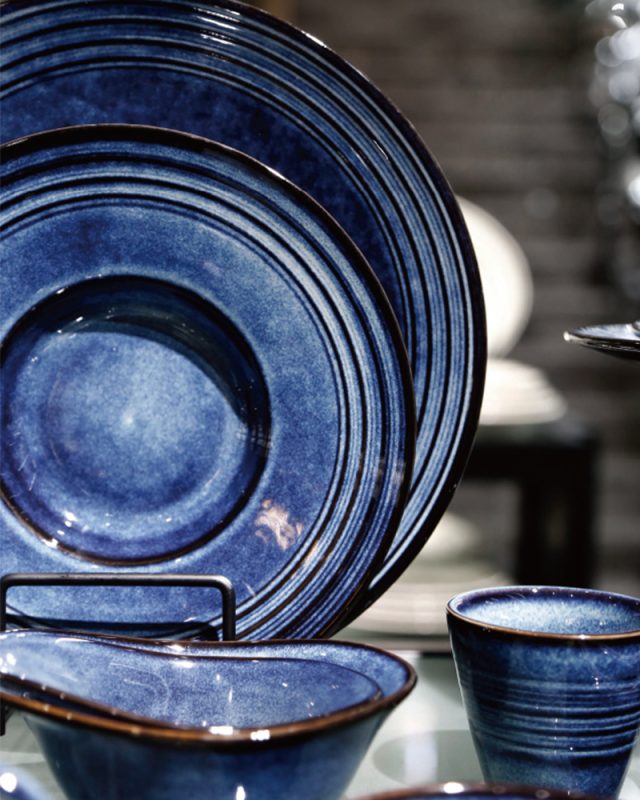
- Reactive glaze finishes
- Embossed patterns
- Custom shapes
- Exclusive packaging
- Private label branding
OEM ceramic dinnerware helps businesses strengthen brand identity while creating a unique dining experience for customers.
Import Guide: Buying Ceramic Plates in Bulk
If this is your first import order, follow these basic steps:
- Define product specifications.
- Request quotations from several manufacturers.
- Order samples for quality evaluation.
- Confirm pricing, MOQ, packaging, and payment terms.
- Approve production samples.
- Begin mass production.
- Arrange quality inspection.
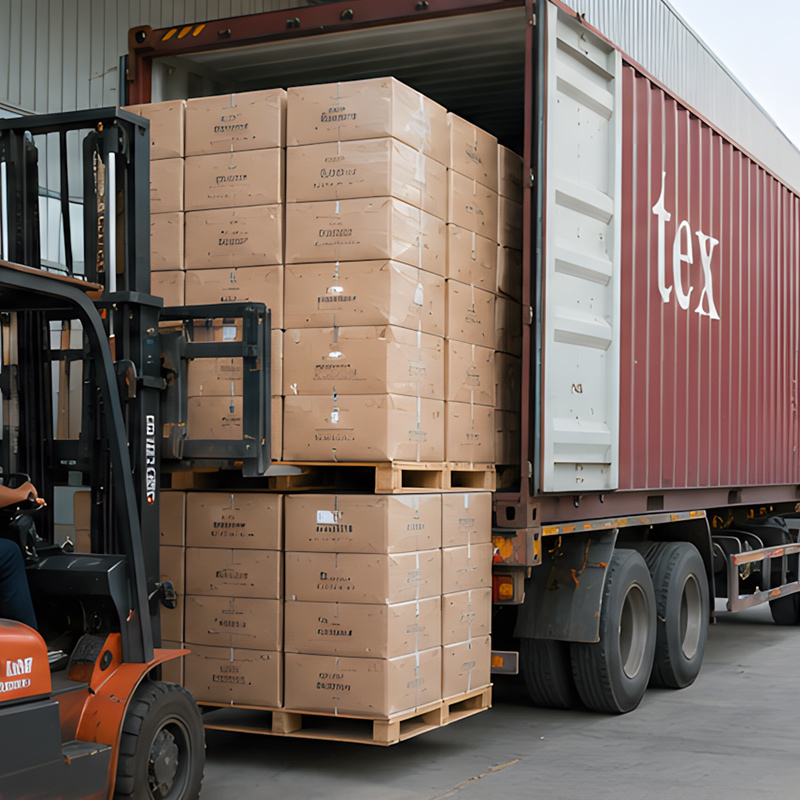
- Organize shipping and customs clearance.
Having a clear purchasing process helps reduce misunderstandings and ensures smoother project management.
Selecting the right wholesale ceramic plates supplier is about much more than finding the lowest price.
A reliable manufacturing partner should provide stable quality, flexible customization, transparent communication, consistent lead times, and professional export experience.
Whether you operate a hotel group, restaurant chain, wholesale business, or retail brand, choosing an experienced ceramic dinnerware manufacturer can significantly improve your supply chain efficiency and help your business grow sustainably.
If you are planning to import ceramic plates from China, investing time in supplier evaluation before placing your first bulk order will save both time and cost in the long run.
Frequently Asked Questions
Q1: What is MOQ for custom logo dinnerware?
Most manufacturers require a minimum order quantity of approximately 300–500 pieces per design for custom logo dinnerware. The exact MOQ depends on product size, decoration process, and customization requirements.
Q2: Can you produce hotel-grade ceramic dinnerware?
Yes. Professional manufacturers can produce commercial-grade ceramic dinnerware designed for hotels, restaurants, cafés, and catering businesses. These products are manufactured for high-frequency use and durability.
Q3: Do you support OEM and private label services?
Yes. OEM and private label services typically include custom logos, shapes, colors, reactive glaze finishes, embossed designs, gift packaging, barcode labels, and customized retail packaging.
Q4: How long does production usually take?
For most bulk orders, production takes approximately 30–45 days after sample approval. Large orders or peak production seasons may require additional time.
Q5: How can I evaluate a ceramic dinnerware supplier before placing a large order?
Request product samples, verify certifications, review manufacturing capabilities, inspect quality control procedures, ask about export experience, and confirm production capacity and delivery schedules before placing a bulk order.
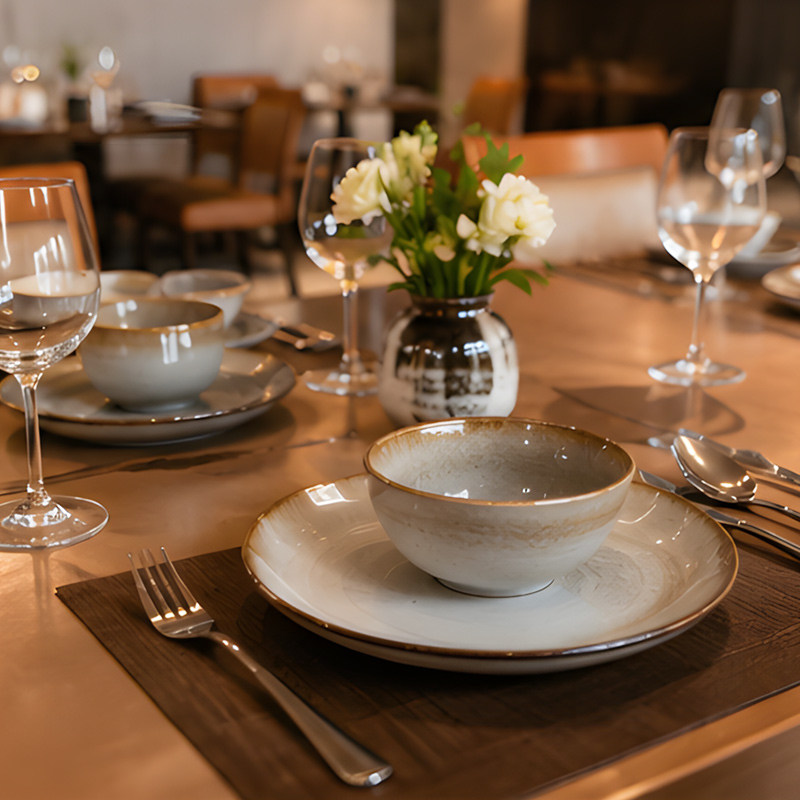
Looking for a Reliable Ceramic Dinnerware Manufacturer in China?
We support:
- Restaurant & hotel projects
- Importers & wholesalers
- Private label brands
What You Can Expect
- Consistent quality control
- Flexible OEM & ODM solutions
- Competitive wholesale pricing
- On-time delivery
Get Started Today
- Request product catalog
- Get custom samples
- Receive detailed quotation
Contact us now and start your dinnerware sourcing with confidence.