




How to Import Ceramic Dinnerware into Australia: Complete Guide for Buyers


Importing ceramic dinnerware into Australia requires selecting a reliable manufacturer, confirming product safety standards, approving samples, managing production, arranging shipping, and completing import procedures. Australian buyers should work with experienced OEM ceramic dinnerware suppliers that provide consistent quality, flexible customization, and professional export support.
Why Australian Buyers Import Ceramic Dinnerware from China?
China is one of the world’s largest ceramic dinnerware production centers, supplying hotels, restaurants, wholesalers, and retail brands globally.
Australian importers choose Chinese manufacturers because of several advantages.
1. Competitive Factory Pricing
Working directly with manufacturers allows Australian buyers to access factory-level pricing.
Benefits include:
- Better profit margins for wholesalers
- Lower purchasing costs for restaurants
- More competitive retail pricing
- Flexible order solutions
Compared with purchasing through local distributors, direct factory sourcing often provides better cost control.
2. Wide Range of Ceramic Dinnerware Products
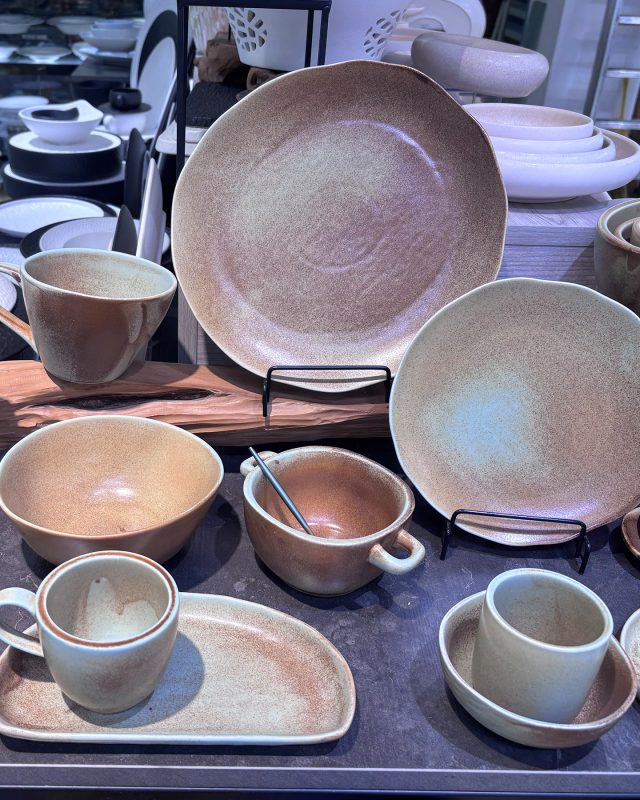
Professional manufacturers can supply complete collections, including:
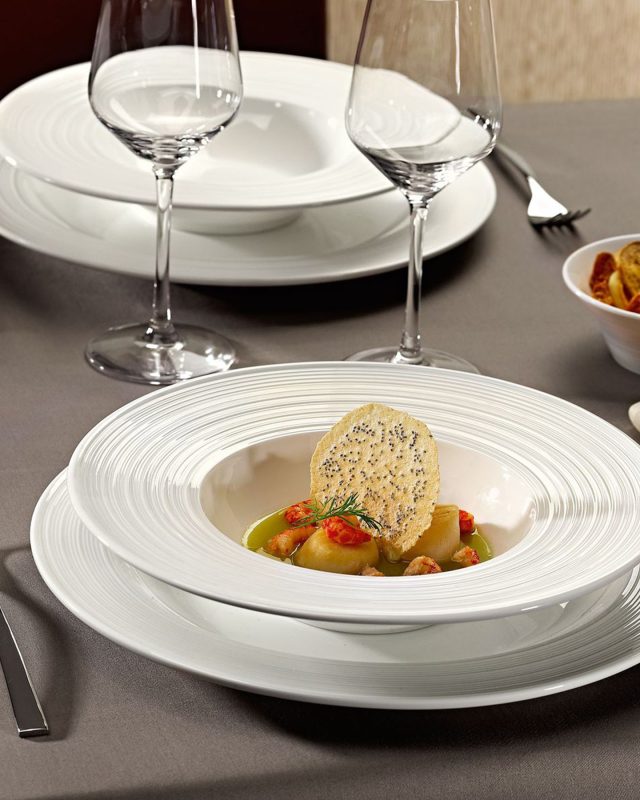
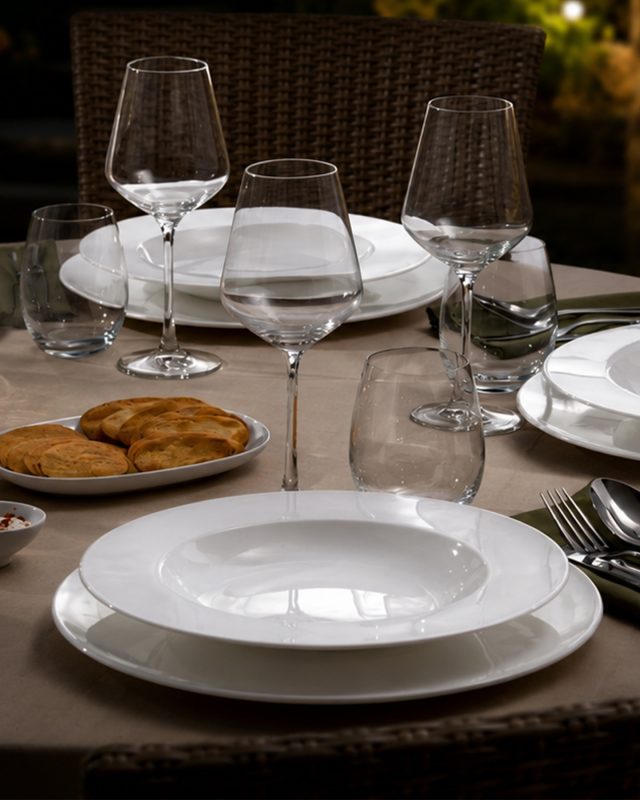
- Porcelain dinnerware
- Stoneware dinnerware
- Bone china
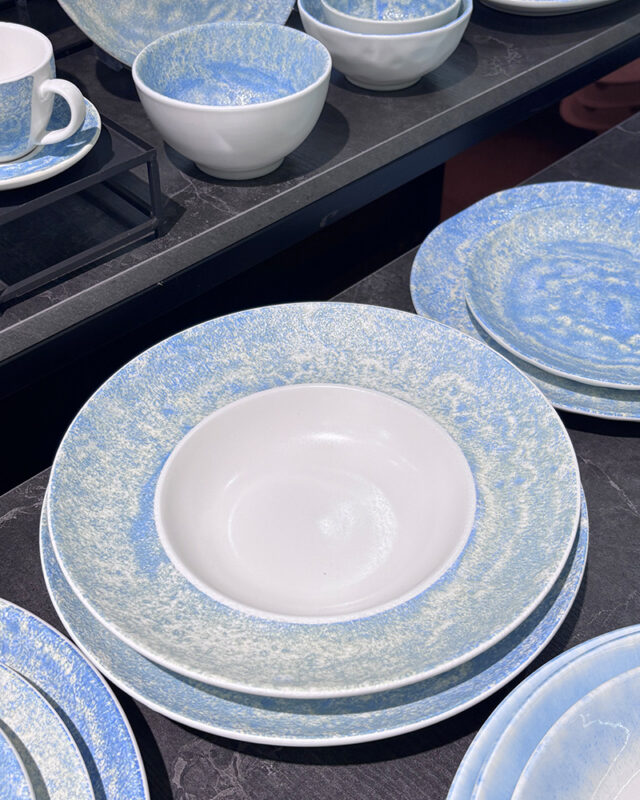
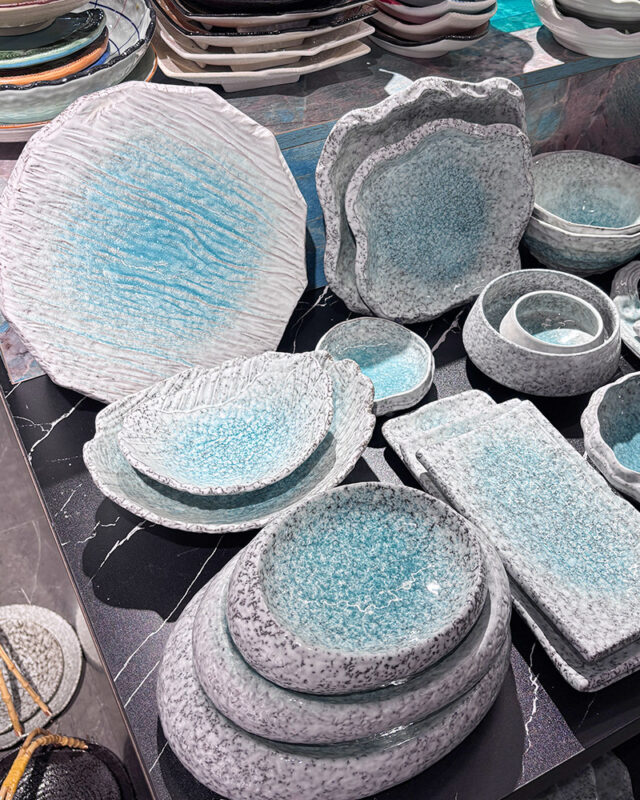
- Reactive glaze dinnerware
- White porcelain plates
- Ceramic bowls
- Cups and mugs
- Serving platters
This allows buyers to source multiple product categories from one supplier.

3. OEM and Private Label Opportunities
Many Australian brands and hospitality businesses want unique products rather than standard designs.
OEM manufacturers can provide:
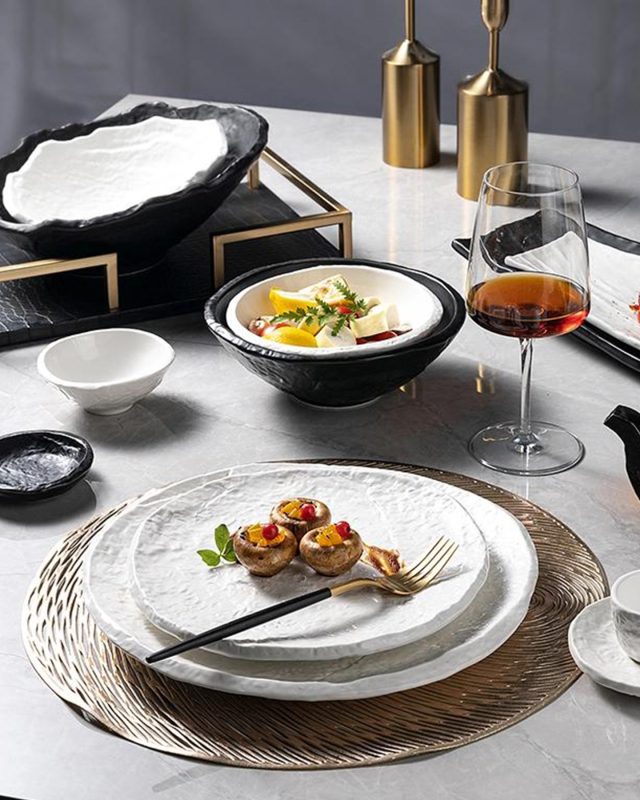
- Custom product shapes
- Logo printing
- Brand packaging
- Color customization
- New mold development
- Private label solutions
This helps businesses create differentiated product lines.
Common Challenges When Importing Ceramic Dinnerware into Australia
Finding a Reliable Supplier
- Factory background
- Production capacity
- Export experience
- Quality control system
- Previous customer experience
A reliable manufacturer provides better consistency and long-term support.
Ensuring Product Quality and Safety
- Food contact safety
- Glaze quality
- Heavy metal testing
- Product durability
- Heat resistance
Professional suppliers should provide quality documentation when required.
Managing Shipping and Breakage Risks
- Export packaging
- Carton protection
- Container loading
- Shipping insurance
- Delivery schedule
Professional packaging reduces damage during international transportation.
Step-by-Step Guide: How to Import Ceramic Dinnerware into Australia
Step 1: Define Your Product Requirements
Before contacting suppliers, Australian buyers should prepare detailed requirements.
Important information includes:
- Product type
- Material preference
- Quantity
- Target price
- Design style
- Packaging requirements
- Delivery timeline
For example:
A hotel may require durable porcelain dinnerware, while a café may prefer modern stoneware collections.
Clear requirements help suppliers provide accurate quotations.
Step 2: Find a Professional Ceramic Dinnerware Manufacturer
Choosing the right manufacturer is the most important step.
A reliable supplier should have:
Manufacturing Capability
Check:
- Factory size
- Production equipment
- Kilns
- Production capacity
- Quality management system
OEM Customization Ability
For Australian wholesalers and brands, customization capability is important.
Professional suppliers should support:
- Logo printing
- Custom colors
- Custom shapes
- Product development
- Private label packaging

Export Experience
Experienced exporters understand:
- International documentation
- Shipping procedures
- Packaging requirements
- Customer communication
This reduces import difficulties.
Step 3: Request Samples Before Bulk Orders
Sample approval helps buyers confirm product quality before production.
Australian buyers should check:
| Inspection Item | Purpose |
| Appearance | Check surface quality |
| Size | Confirm specifications |
| Weight | Evaluate product usage |
| Color | Ensure consistency |
| Logo | Confirm branding effect |
| Packaging | Reduce shipping risks |
For customized products, samples are especially important.
Step 4: Confirm MOQ, Pricing, and Production Time
MOQ depends on product type and customization requirements.
| Product Type | MOQ Level |
| Standard designs | Lower MOQ |
| Logo customization | Medium MOQ |
| New mold products | Higher MOQ |
| Complete OEM collections | Project based |
Typical production timeline:
- Sample production: 7–15 days
- Bulk production: 30–45 days
- Complex OEM projects: 45–60 days
Step 5: Quality Inspection Before Shipment
Professional manufacturers should conduct inspections before shipping.
Quality checks include:
Raw Material Inspection
Ensuring stable ceramic materials.
Production Inspection
Monitoring:
- Forming
- Drying
- Glazing
- Firing
Final Product Inspection
Checking:
- Cracks
- Chips
- Glaze defects
- Color differences
- Packaging quality

Step 6: Shipping Ceramic Dinnerware to Australia
Most ceramic dinnerware shipments use sea freight because of product weight and volume.
Typical process:
Manufacturer
↓
Export Documents
↓
Container Loading
↓
Ocean Shipping
↓
Australian Port
↓
Customs Clearance
↓
Warehouse Delivery
Common trade terms:
| Term | Description |
| FOB | Buyer manages international shipping |
| CIF | Supplier arranges shipping to port |
| DDP | Supplier manages complete delivery |
The best option depends on the buyer’s import experience.
Frequently Asked Questions (FAQ)
1. Can I import ceramic dinnerware from China to Australia?
Yes. Many Australian wholesalers, restaurants, and retailers import ceramic dinnerware directly from Chinese manufacturers.
2. What is the MOQ for ceramic dinnerware?
MOQ depends on product design, material, and customization requirements. Standard products usually require lower quantities than customized products.
3. Can suppliers customize ceramic dinnerware with my logo?
Yes. Professional OEM manufacturers provide logo printing, embossed branding, and private label packaging.
4. How long does ceramic dinnerware production take?
Most orders require 30–45 days after sample approval.
5. What ceramic materials are suitable for restaurants?
Stoneware and porcelain are commonly used because they offer durability and professional appearance.
6. Can suppliers develop new dinnerware designs?
Yes. OEM manufacturers can create new products based on drawings, samples, or brand concepts.
7. How can I reduce shipping damage?
Choose suppliers with strong export packaging, quality inspection procedures, and professional container loading.
8. Can manufacturers ship directly to Australia?
Yes. Experienced suppliers can support export documents and international shipping arrangements.
9. Should I order samples before bulk production?
Yes. Sample approval helps confirm quality, design, and specifications before large orders.
10. How do I choose the best ceramic dinnerware supplier?
Evaluate factory capability, product quality, OEM services, export experience, and communication efficiency.
Looking for a Reliable Ceramic Dinnerware Supplier for Australia?
Meinai Tableware provides OEM and wholesale ceramic dinnerware solutions for Australian importers, restaurants, hotels, wholesalers, and private-label brands.
We support:
✓ Custom dinnerware design
✓ Logo and packaging customization
✓ Strict quality inspection
✓ Flexible OEM production
✓ Global export services
Contact us today to start your custom ceramic dinnerware project.