




How Many Plates Does a Restaurant Really Need? How to Order

When opening a restaurant or replacing an existing dinnerware collection, one question comes up quickly: How many plates do we actually need?
Ordering too few plates can create daily problems. Staff may have to wait for dishes to come back from the kitchen or dishwasher, especially during busy service. Ordering too many, however, ties up money and takes up valuable storage space.
The right quantity depends on your restaurant size, menu, table turnover, washing capacity, and service style. This guide explains how to estimate your dinnerware needs before placing a bulk order.
1. Start With Your Number of Seats
The number of seats is the easiest starting point.
For a small restaurant with 50 seats, ordering exactly 50 dinner plates is rarely enough. During a busy service, some plates will be in use, some will be waiting to be washed, and others may be in storage.
As a general starting point, many restaurants should consider 2–3 plates per seat for frequently used plate types.
For example:
- 50 seats × 2.5 plates = about 125 plates
- 100 seats × 2.5 plates = about 250 plates
- 200 seats × 2.5 plates = about 500 plates
This is only a starting point. A restaurant with fast table turnover may need more than a small café with a slower service style.
2. Consider How Many Times Tables Turn Over
Table turnover is one of the most important factors when ordering restaurant dinnerware.
Imagine a 100-seat restaurant where most tables are used twice during lunch and twice during dinner. The same plates may be needed several times within a few hours.
If your kitchen and dishwashing area can clean and return plates quickly, you may need fewer plates. If washing takes longer or the restaurant operates with a large number of tables at the same time, having additional stock provides a useful safety margin.
For busy restaurants, keeping 20–30% extra inventory above the basic requirement is often a practical approach.
3. Don’t Order Only Dinner Plates
A complete restaurant dinnerware order usually includes several different plate sizes and shapes.
Depending on the menu, you may need:
- Dinner plates for main courses
- Side or salad plates
- Dessert plates
- Pasta or coupe plates
- Bread plates
- Soup bowls
- Serving platters
The quantity of each item should match how it is actually used.
For example, if almost every main course is served on a 10-inch dinner plate, you may need a larger quantity of that item. A specialty dessert plate used only for a few menu items does not necessarily need the same quantity.
This helps prevent unnecessary spending while keeping the table setting consistent.
4. Think About Your Menu Before Ordering
Your menu should influence your dinnerware selection.
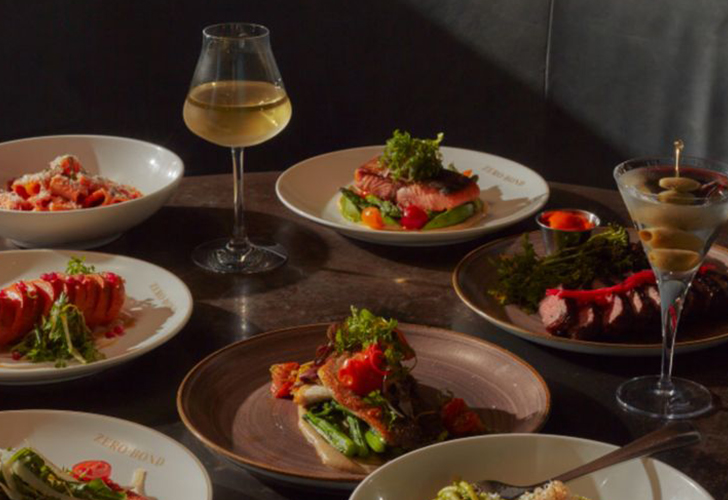
A steakhouse may need more large dinner plates and serving platters. An Italian restaurant may use more pasta bowls or coupe plates. A hotel breakfast buffet may require a larger quantity of smaller plates and bowls.
Before contacting a dinnerware supplier, review your menu and identify which pieces are used most often.
A simple question can help:
“If we ran a full service tonight, which plates would be used the most?”
Those pieces should usually receive the highest order quantities.
5. Leave Room for Breakage and Replacement
Even high-quality commercial dinnerware will eventually experience chips, cracks, or breakage.
Restaurants also lose pieces over time because of heavy daily use, transportation between the kitchen and dining area, or accidental damage.
For this reason, it is better not to order the exact number you need.
For a new restaurant, consider keeping 10–15% additional stock for replacement. For high-volume operations, a larger buffer may make sense.
It is also a good idea to choose a supplier that can provide the same design and specifications for future replenishment.
6. Calculate Your Order Before Asking for a Quote
A simple calculation can make your purchasing process much easier.
Start with:
Number of seats × average usage per seat = basic quantity
Then add your operational buffer.
For example, a 120-seat restaurant might estimate:
120 seats × 2.5 dinner plates = 300 plates
Adding 15% extra:
300 × 1.15 = 345 plates
You could then round the quantity to a practical purchasing number, such as 350 pieces.
The same approach can be applied to side plates, bowls, cups, and other frequently used items.
7. Ask Your Supplier About MOQ and Sample Orders
Before placing a large bulk order, check the supplier’s MOQ, production lead time, packaging, replacement policy, and shipping options.
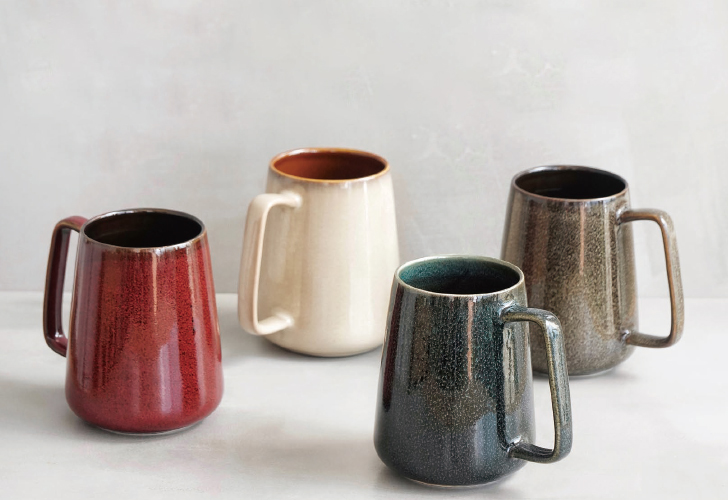
For restaurants opening a new location, ordering samples first is especially useful. You can check the actual size, weight, color, glaze finish, stacking ability, and overall appearance before committing to a larger quantity.
If you need a restaurant logo, special color, shape, or private-label packaging, discuss customization requirements before confirming the order.
Final Thoughts
There is no single number of plates that works for every restaurant.
A good dinnerware order should be based on seating capacity, table turnover, menu requirements, washing efficiency, breakage, and future replacement needs.
As a starting point, 2–3 plates per seat for frequently used items can help you estimate your initial quantity. From there, adjust the order according to your actual service operation.
If you are sourcing ceramic dinnerware for a restaurant, hotel, café, or wholesale project, request samples first and confirm the final quantities with your supplier before placing a bulk order.
Need help choosing the right quantity and dinnerware collection for your restaurant? Contact Meinai Tableware for samples, bulk pricing, and OEM/ODM dinnerware solutions.