



Custom Ceramic Dinnerware: MOQ, Pricing, Lead Time & OEM Guide


Custom ceramic dinnerware allows restaurants, hotels, wholesalers, importers, and private label brands to create tableware that matches their brand, menu, and customer experience.
But before starting an OEM project, buyers need clear answers about MOQ, pricing, lead time, customization, sampling, packaging, and quality control.
This guide explains the key factors you should consider when sourcing custom ceramic dinnerware from a professional manufacturer.
What Is Custom Ceramic Dinnerware?
Custom ceramic dinnerware is tableware produced according to a buyer’s specifications instead of simply selecting standard catalog products.
Depending on the manufacturer, customization may include:
- Plate and bowl shapes
- Product dimensions
- Ceramic material
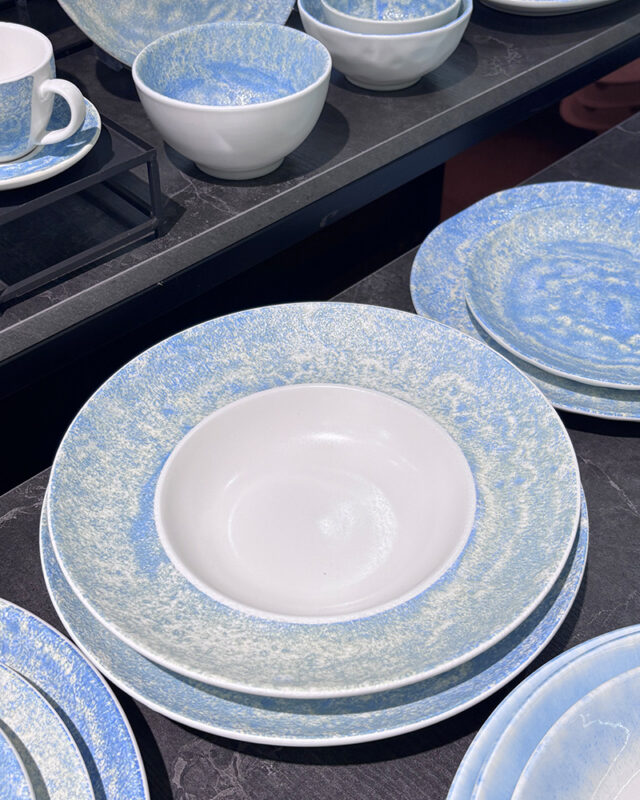
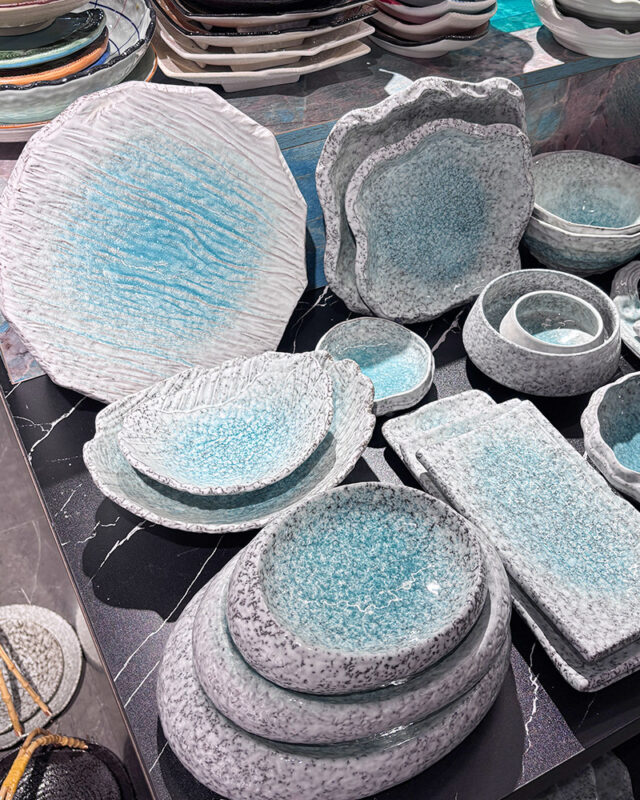
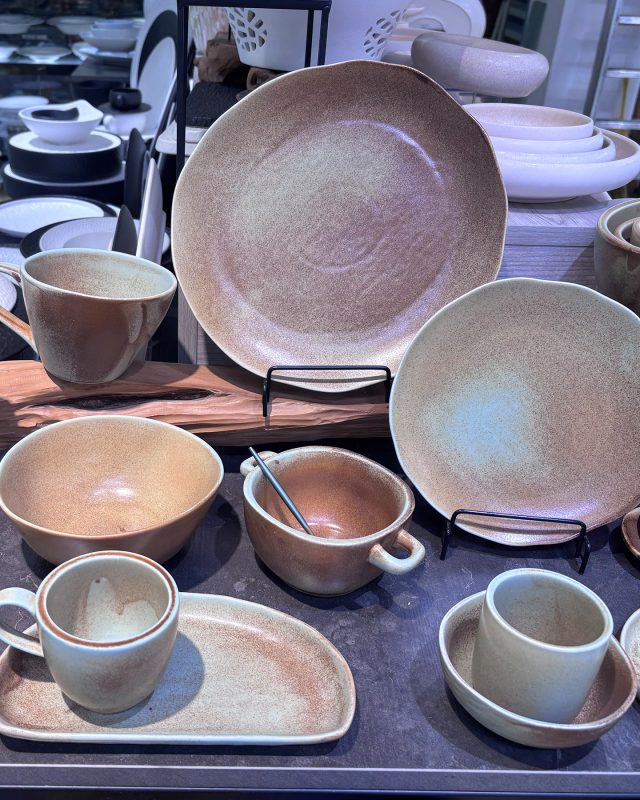
- Glaze colors and finishes
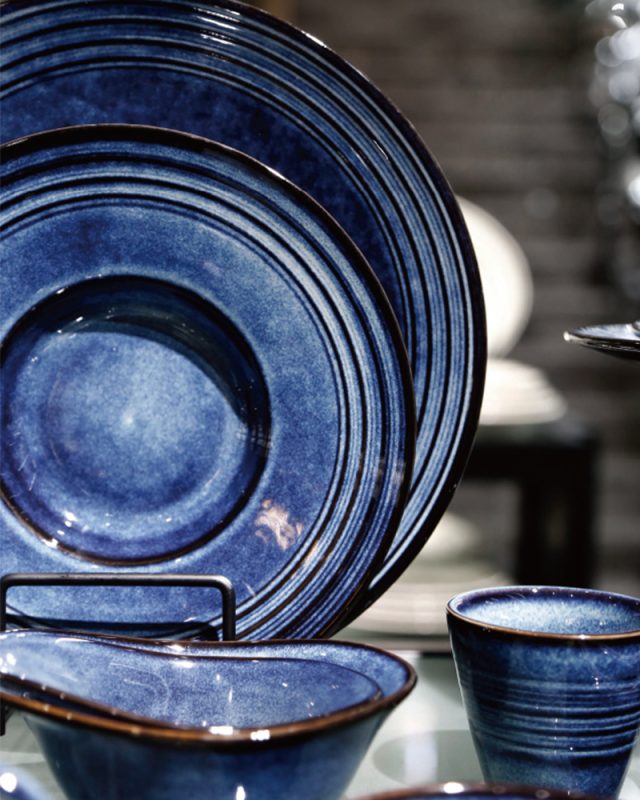
- Reactive glaze
- Embossed patterns
- Printed logos
- Custom artwork
- Private label packaging
- Complete dinnerware collections
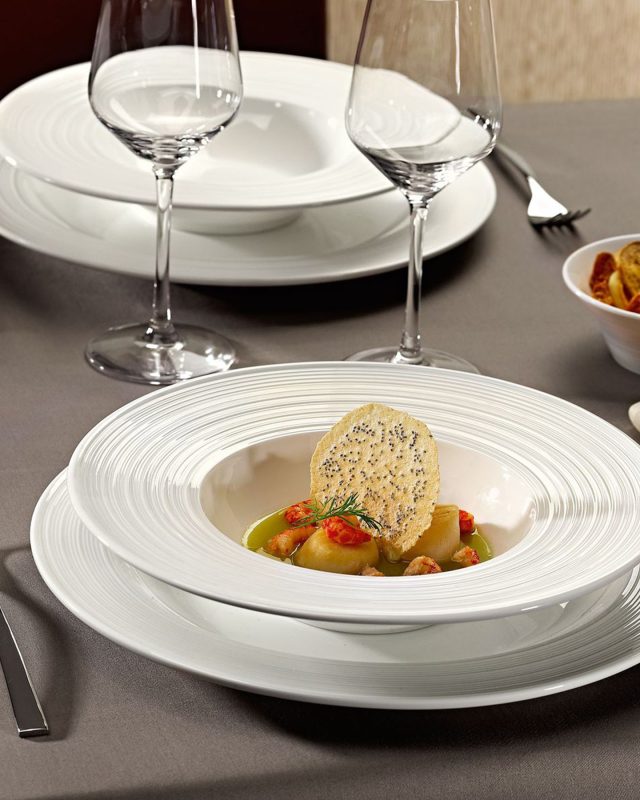
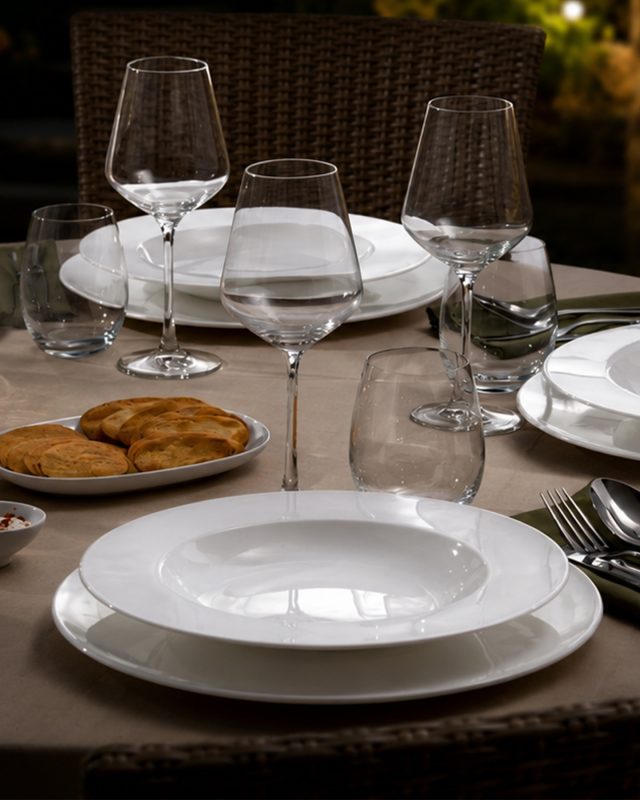
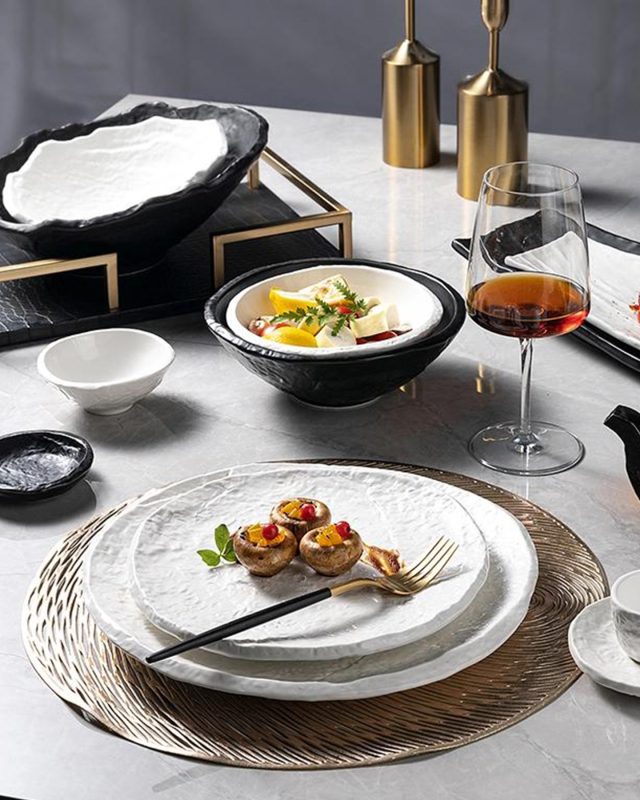
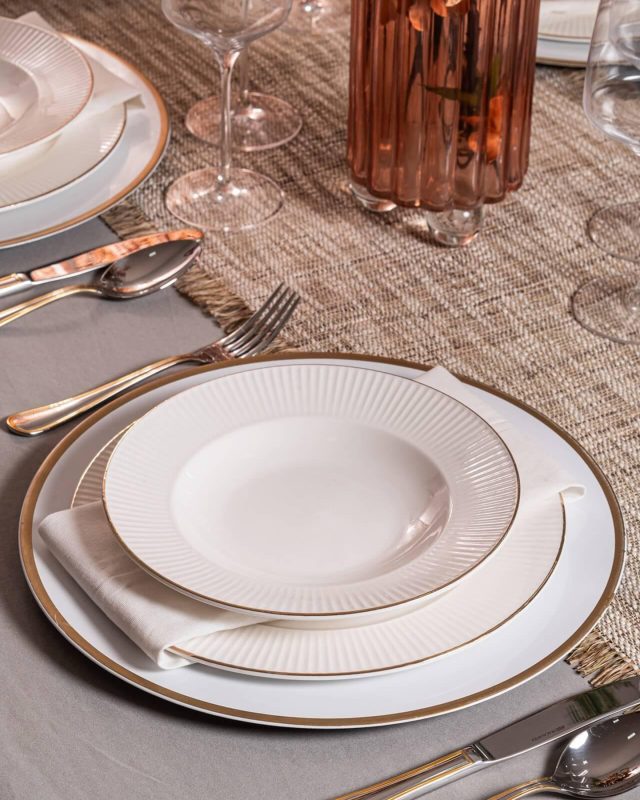
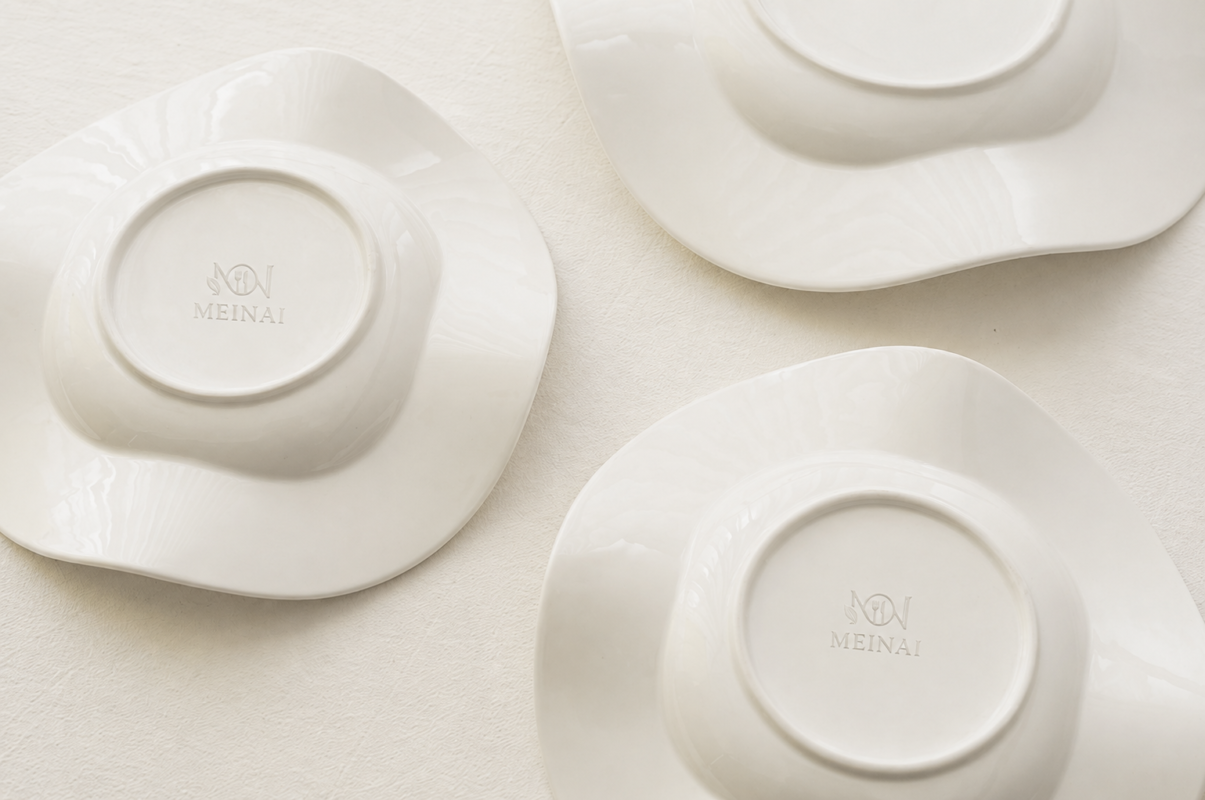
For example, a restaurant may customize a plate with its logo and signature glaze, while a hotel may develop a complete collection including dinner plates, bowls, cups, and serving platters.
For wholesalers and private label brands, OEM dinnerware can also create an exclusive product line with stronger brand recognition.
What Is the MOQ for Custom Ceramic Dinnerware?
MOQ means Minimum Order Quantity. It is one of the first things buyers should confirm with a custom dinnerware supplier.
There is no fixed MOQ for every project. It depends on the level of customization and production requirements.
Standard Products
Existing products with minor customization usually have a lower MOQ because the manufacturer already has the molds and production process.
Custom Shapes
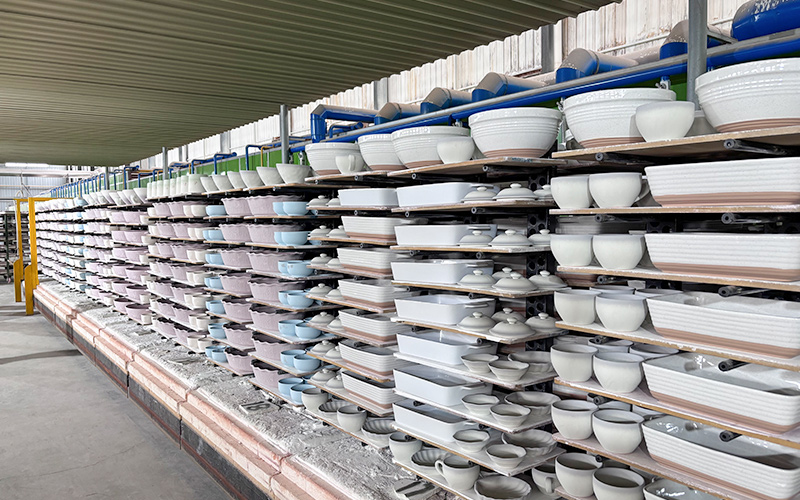
A completely new shape may require mold development, which can increase both the initial cost and required order quantity.
Custom Glazes
Special or reactive glaze colors may require additional testing and production preparation.
Custom Logos
Logo printing can often be added to existing products without developing a completely new product.
Important: Always ask whether MOQ applies per SKU, per color, per size, or to the total order.
How Much Does Custom Ceramic Dinnerware Cost?
The price of custom ceramic dinnerware depends on more than the product itself.
The main pricing factors include:
| Factor | Why It Matters |
|---|---|
| Material | Stoneware, porcelain and other ceramics have different costs |
| Size | Larger products generally require more material |
| Shape | Complex designs can increase production difficulty |
| Glaze | Special and reactive glazes may require additional processing |
| Decoration | Logo printing and artwork add production steps |
| Tooling | New molds may require an upfront tooling fee |
| Quantity | Larger orders can reduce the unit cost |
| Packaging | Custom boxes and labels increase packaging costs |
| Shipping | Ceramic products are heavy and require protective packaging |
When requesting a quotation, provide the product dimensions, material, color, glaze, logo, quantity, packaging requirements and destination market.
A detailed RFQ helps the manufacturer provide a more accurate price.
How Long Does Custom Ceramic Dinnerware Take?
Lead time depends on whether you are ordering an existing product or developing a completely new design.
A typical OEM process is:
Design → Quotation → Sample → Approval → Production → Inspection → Packaging → Shipment
Standard products with simple logo customization can generally move faster.
New products may require additional time for:
- Mold development
- Prototype production
- Glaze testing
- Color matching
- Logo testing
- Sample revisions
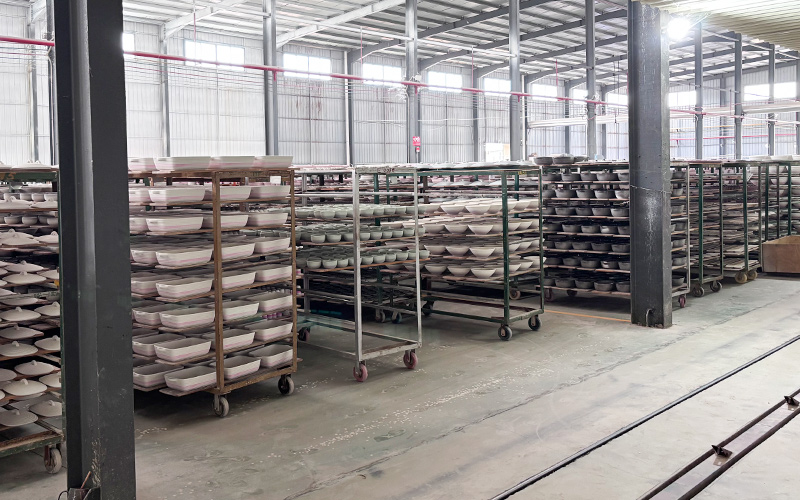
Always confirm when the lead time officially starts. It may begin after deposit payment, artwork approval, sample approval, or production confirmation.
For large hotel, restaurant, or wholesale projects, it is also important to discuss repeat-order capacity before placing the first order.
What Can You Customize?
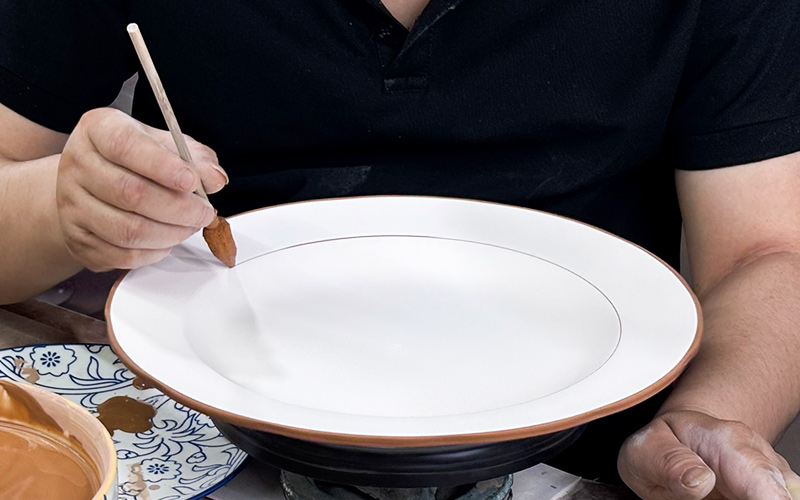
A professional ceramic dinnerware manufacturer may support several levels of OEM and ODM customization.
Shape & Size
You can develop custom:
- Dinner plates
- Salad plates
- Pasta bowls
- Soup bowls
- Serving platters
- Cups and mugs
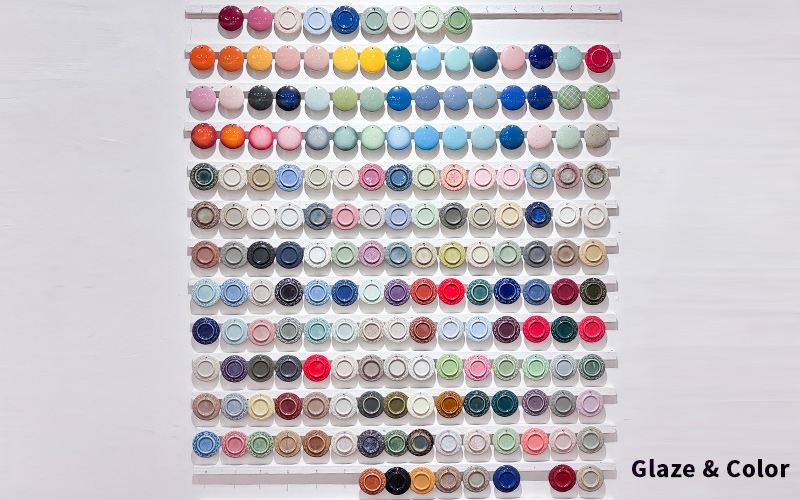
Glaze & Color
Popular options include:
- Matte glaze
- Glossy glaze
- Solid colors
- Two-tone finishes
- Reactive glaze
- Custom color matching
Logo & Decoration
Customization can include:
- Printed logos
- Restaurant branding
- Hotel logos
- Rim decoration
- Embossed details
- Custom patterns
Packaging
Private label buyers can also customize:
- Product boxes
- Labels
- Stickers
- Inserts
- Master cartons
This makes custom ceramic dinnerware suitable for both hospitality projects and retail private label brands.

How Does the OEM Process Work?
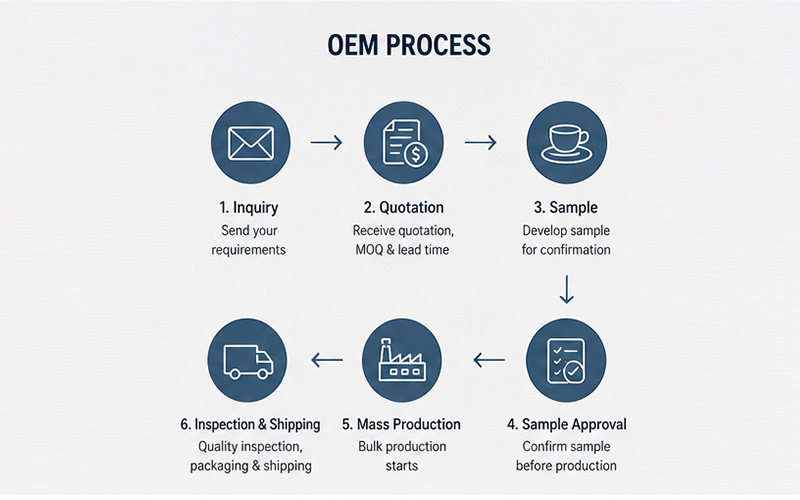
A reliable OEM project should follow a clear process.
1. Send Your Requirements
Provide product images, dimensions, material, colors, logo files, estimated quantity, and packaging requirements.
2. Receive a Quote
The manufacturer evaluates your specifications and provides pricing, MOQ, tooling requirements, and estimated lead time.
3. Develop the Sample
A physical sample allows you to check the shape, size, glaze, color, logo, and overall appearance.
4. Approve the Sample
The approved sample should become the production reference for the bulk order.
5. Mass Production
The factory begins production according to the approved specifications.
6. Quality Inspection & Shipment
Finished products are inspected, packed, and prepared for export.
This process helps reduce specification errors and quality problems.
How to Choose a Custom Ceramic Dinnerware Manufacturer
The lowest price does not always mean the lowest total sourcing cost.
Before selecting a supplier, evaluate:
Manufacturing capability — Can the factory produce your required material, glaze, shape, and decoration?
OEM experience — Does the supplier understand restaurant, hotel, wholesale, or private label requirements?
Quality consistency — Can the manufacturer maintain consistent color, dimensions, glaze, and decoration across repeat orders?
Sampling capability — Is there a clear sample approval process?
Production capacity — Can the supplier handle both your initial order and future replenishment?
Packaging and export experience — Ceramic dinnerware requires reliable protective packaging and export handling.
For long-term B2B sourcing, a reliable manufacturing partner is usually more valuable than a supplier offering only the lowest initial quotation.

FAQ About Custom Ceramic Dinnerware
What is the typical MOQ for custom ceramic dinnerware?
MOQ varies by product and customization. Existing products with logo printing generally require less quantity than completely new shapes or molds. Always confirm MOQ per SKU, color, and size.
Can I customize the logo on ceramic dinnerware?
Yes. Depending on the product and manufacturing process, suppliers may offer logo printing, decals, embossed logos, or other decoration methods.
How long does OEM ceramic dinnerware take?
The lead time depends on sampling, tooling, production quantity, glaze complexity, and packaging. New products generally take longer than existing products with simple customization.
Can I order samples before placing a bulk order?
Yes. Requesting a sample is strongly recommended before confirming mass production. It allows you to evaluate the actual product rather than relying only on digital images.
Is custom dinnerware more expensive than standard dinnerware?
Usually, customization can increase the initial cost because of tooling, sampling, decoration, and packaging. However, larger quantities and repeat orders can help reduce the average unit cost.
Can restaurants and hotels create a complete custom collection?
Yes. A manufacturer can develop coordinated plates, bowls, cups, mugs, serving pieces, and other tableware based on the project’s requirements.
Start Your Custom Ceramic Dinnerware Project
Whether you are sourcing for a restaurant, hotel, wholesaler, importer, distributor, or private label brand, the right manufacturer can help you balance design, MOQ, price, quality, and lead time.
Before requesting a quotation, prepare your product specifications, estimated quantity, logo, reference images, and packaging requirements.
Discuss OEM, ODM, custom logo, private label, and bulk ceramic dinnerware requirements with the Meinai Tableware team
Looking for a custom ceramic dinnerware manufacturer? Contact Meinai Tableware to start your OEM project.