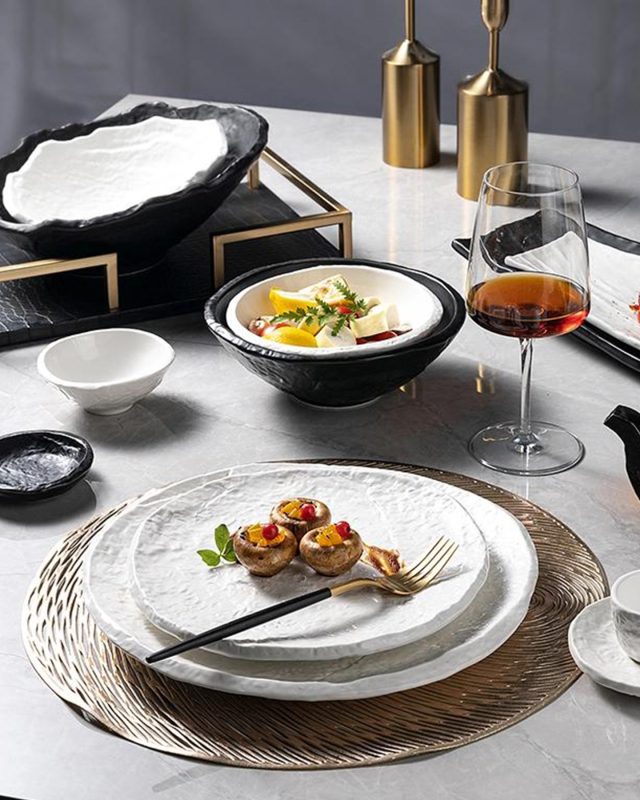





Ceramic Dinnerware Price Guide (2026): What Determines Wholesale Ceramic Dinnerware Prices?

When purchasing ceramic dinnerware in bulk, price is one of the most important factors for hotels, restaurants, wholesalers, and importers. However, many buyers find that quotations from different suppliers can vary significantly, even for similar-looking products.
The ceramic dinnerware price is influenced by multiple factors, including raw materials, manufacturing processes, product design, customization requirements, order quantity, packaging, and shipping conditions.
Understanding these factors helps buyers make better purchasing decisions, avoid hidden costs, and choose the right ceramic dinnerware manufacturer for long-term business cooperation.
This guide explains the main factors that affect wholesale ceramic dinnerware prices in 2026 and how professional buyers can control costs without compromising quality.
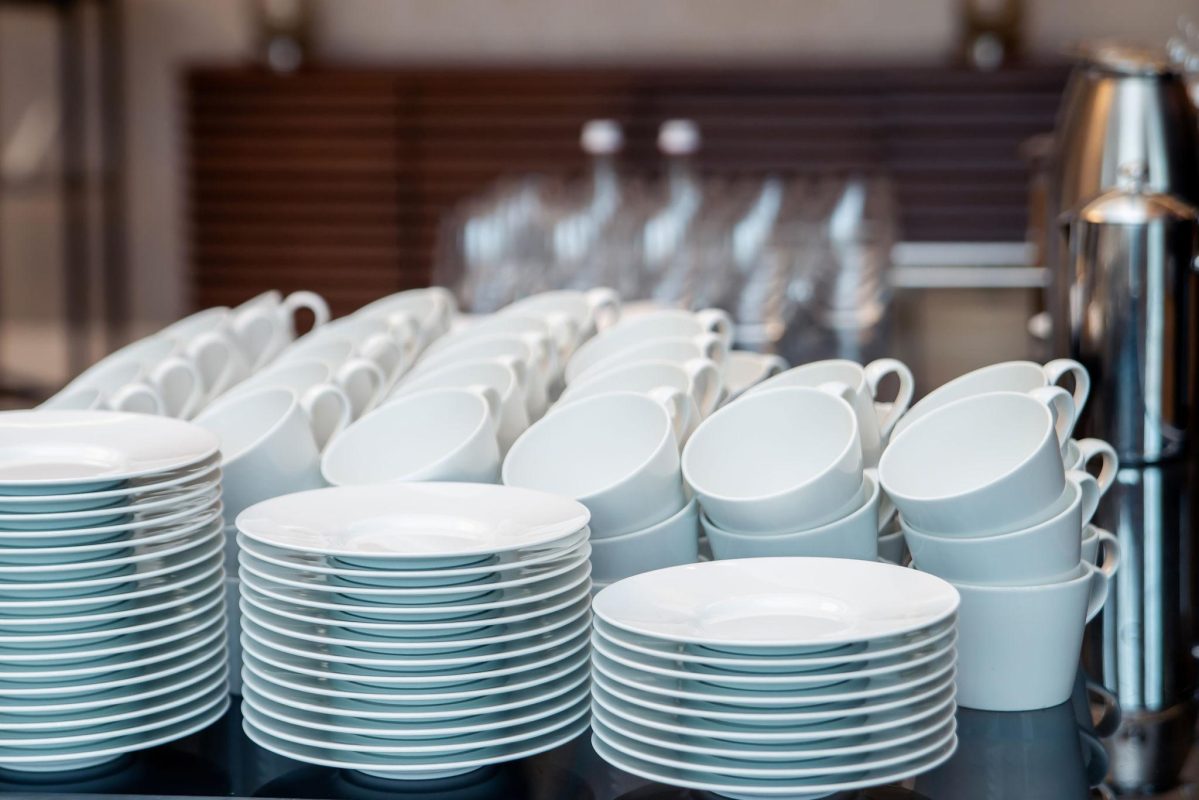
Average Wholesale Ceramic Dinnerware Price in 2026
The cost of ceramic dinnerware depends largely on the product type, material, design complexity, and order volume.
For bulk purchasing, typical price ranges are:
| Product Type | Approximate Wholesale Price Range |
|---|---|
| Basic ceramic plates | $0.50 – $2.00 / piece |
| Stoneware dinner plates | $1.00 – $4.00 / piece |
| Porcelain plates | $1.50 – $5.00 / piece |
| Ceramic bowls | $0.80 – $3.50 / piece |
| Ceramic mugs | $1.00 – $4.00 / piece |
| Custom OEM dinnerware sets | $5.00 – $30.00+ / set |
These prices are only general references. The final ceramic dinnerware cost depends on specific requirements such as glaze, decoration, packaging, certifications, and order quantity.
6 Key Factors That Affect Ceramic Dinnerware Cost
1. Material Selection: Stoneware, Porcelain, or Bone China
The raw material is one of the biggest factors affecting ceramic dinnerware prices.
Stoneware Dinnerware
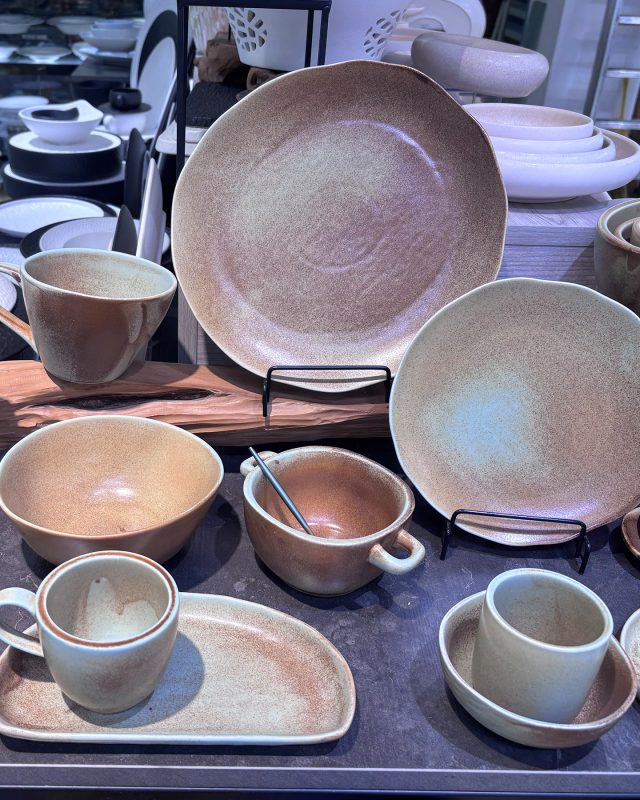
Stoneware is popular for restaurants and hotels because it offers excellent durability and a natural appearance.
Advantages:
- Strong resistance to daily use
- Suitable for commercial dining environments
- Available in various glaze finishes
Because of its thicker body and handcrafted-style appearance, premium stoneware may cost more than standard ceramic products.
Porcelain Dinnerware
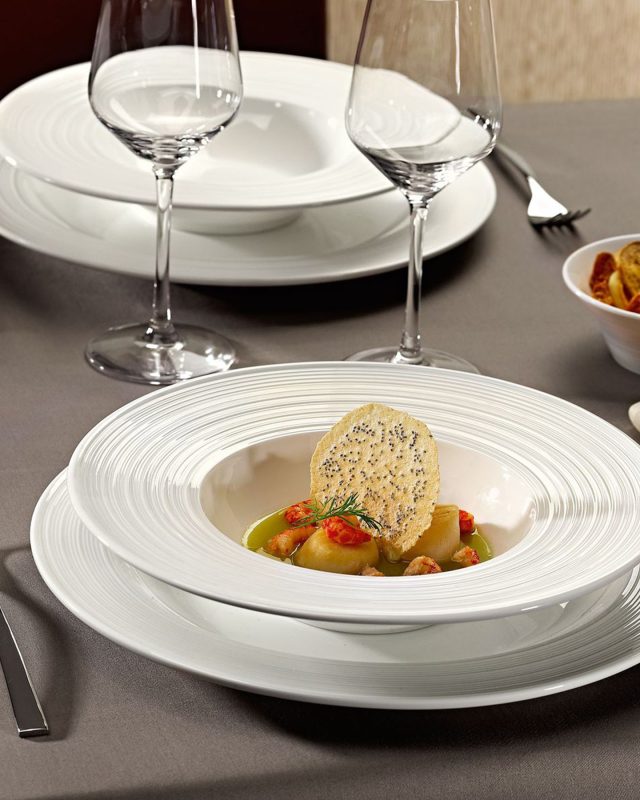
Porcelain is widely used in hotels, fine dining restaurants, and hospitality projects.
Benefits include:
- Higher whiteness
- Elegant appearance
- Better chip resistance
- Professional presentation
Premium porcelain usually has a higher wholesale ceramic dinnerware price compared with standard ceramic products.
Bone China Dinnerware
Bone china is known for its luxury appearance, lightweight structure, and high transparency.
It is often selected by:
- Luxury hotels
- High-end restaurants
- Premium catering brands
Due to its special manufacturing process, bone china generally has the highest material cost.
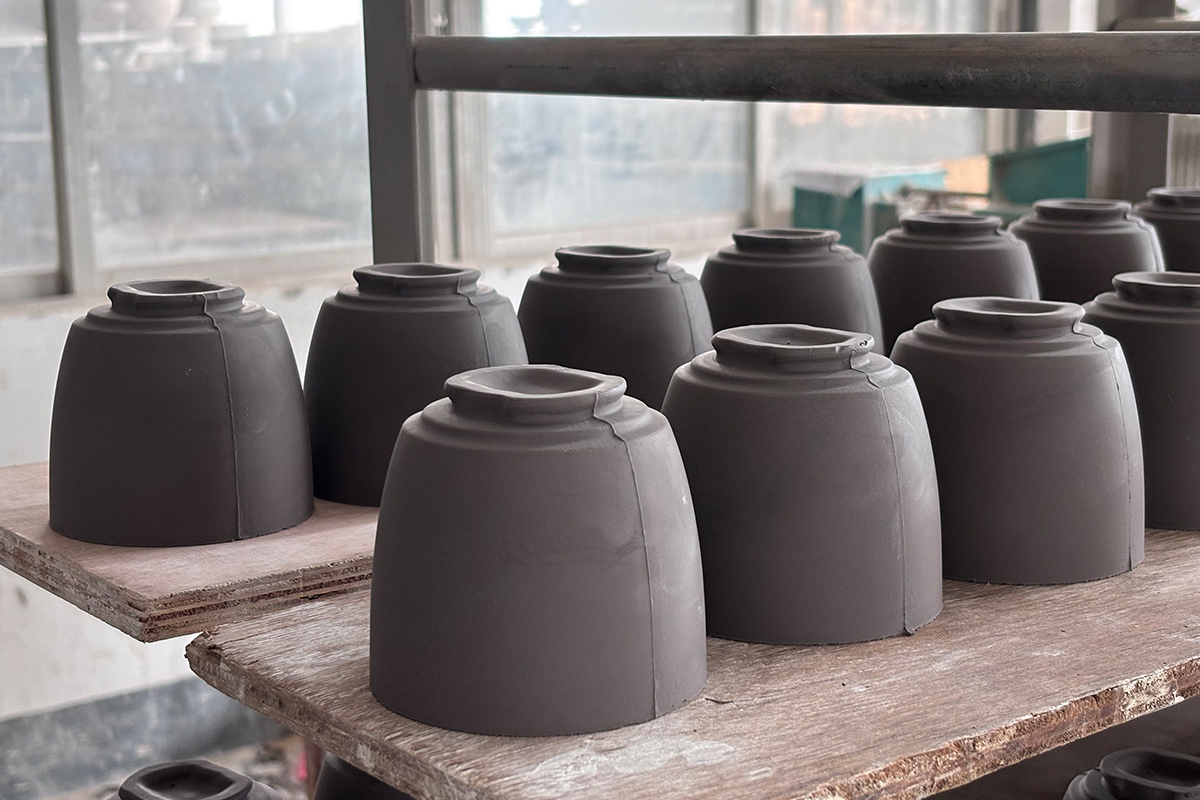
2. Product Design and Manufacturing Complexity
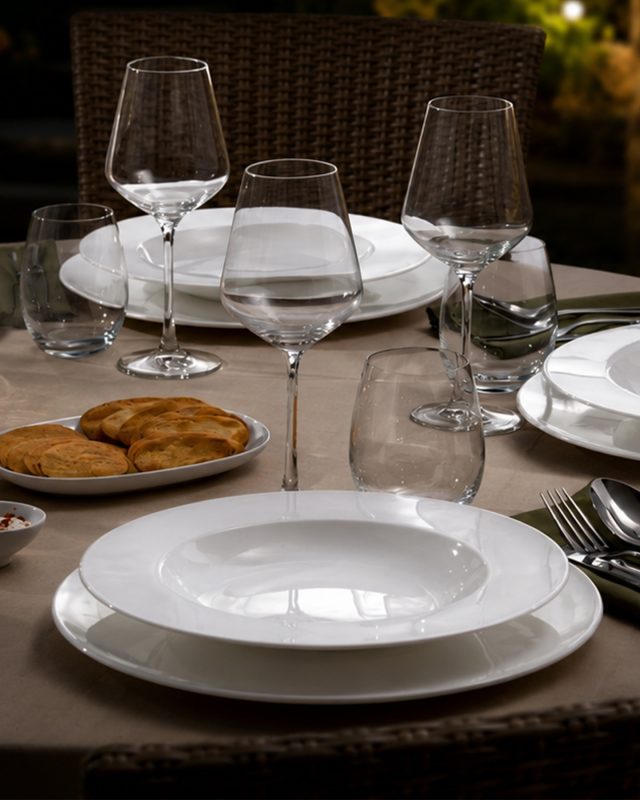
Simple white ceramic plates are usually more affordable because they require fewer production steps.
However, prices increase when products include:
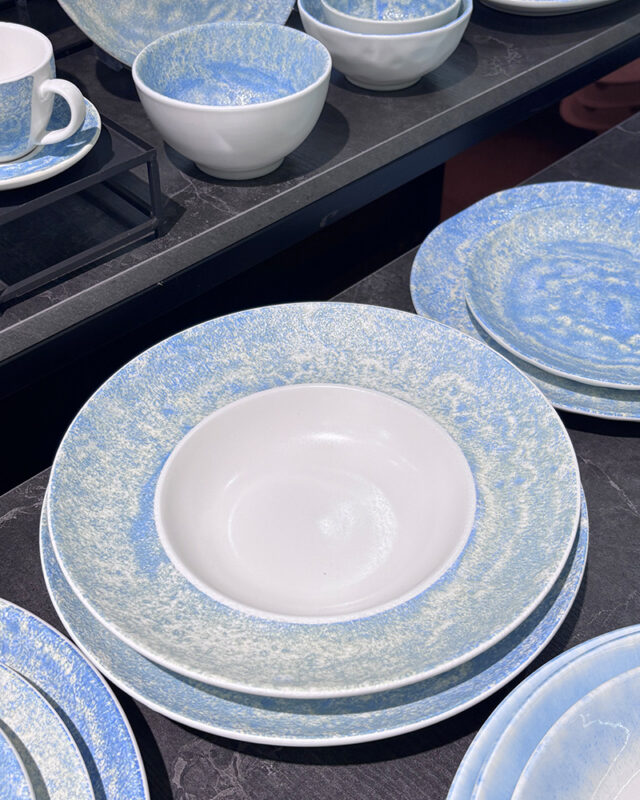
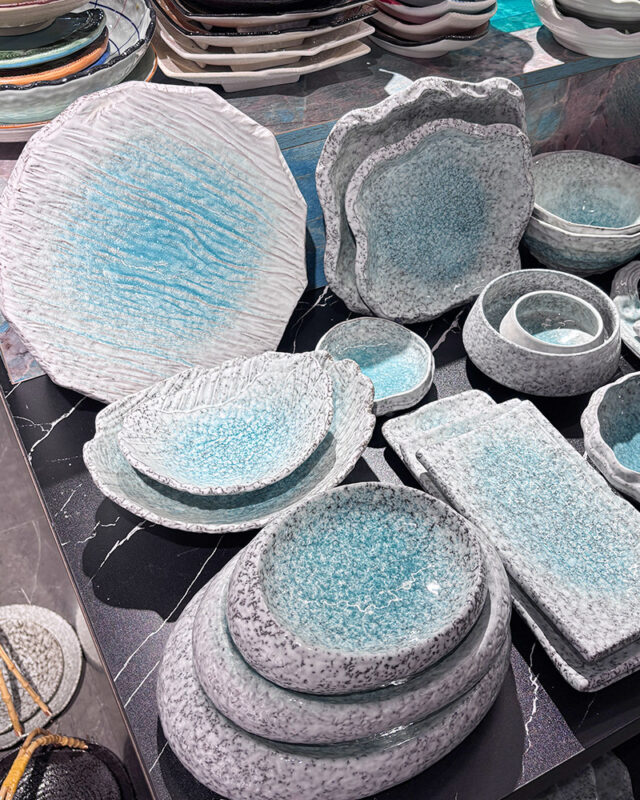
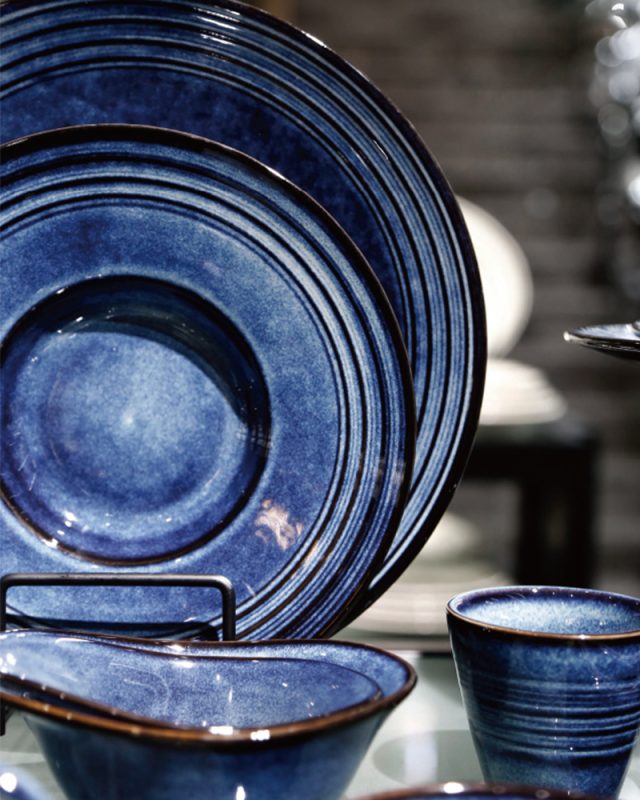
- Reactive glaze finishes
- Embossed patterns
- Hand-painted designs
- Gold or platinum rims
- Special shapes
- Multiple color combinations
For example, a standard white porcelain plate may only require basic glazing and firing, while a reactive glaze dinnerware collection requires additional processes and skilled production control.
Complex designs create higher manufacturing costs but also provide stronger product differentiation in the market.
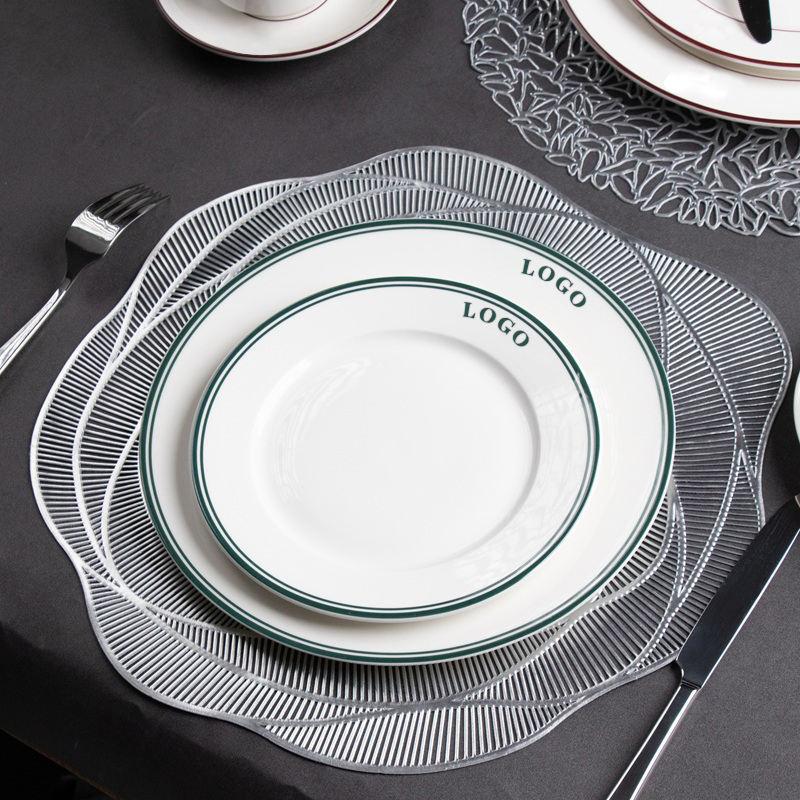
3. Custom Logo and OEM Requirements
Many hotels, restaurants, and brands choose custom ceramic dinnerware to strengthen their brand identity.
OEM customization may include:
- Logo printing
- Decal decoration
- Custom colors
- Special shapes
- Customized packaging
- Private label production
Additional costs may include:
- Mold development fees
- Sampling charges
- Artwork preparation
- Printing setup costs
Although customized dinnerware has a higher initial cost, it helps businesses create unique tableware collections and improve brand recognition.
4. MOQ and Order Quantity
The minimum order quantity (MOQ) directly affects ceramic dinnerware pricing.
Large-volume orders usually receive better unit prices because:
- Production efficiency improves
- Raw materials can be purchased in bulk
- Manufacturing costs are distributed across more products
For example:
A buyer ordering 5,000 pieces may receive a higher unit price than a buyer ordering 50,000 pieces.
However, choosing a supplier only based on the lowest MOQ is not always the best decision. Buyers should also consider production capability, quality consistency, and delivery reliability.
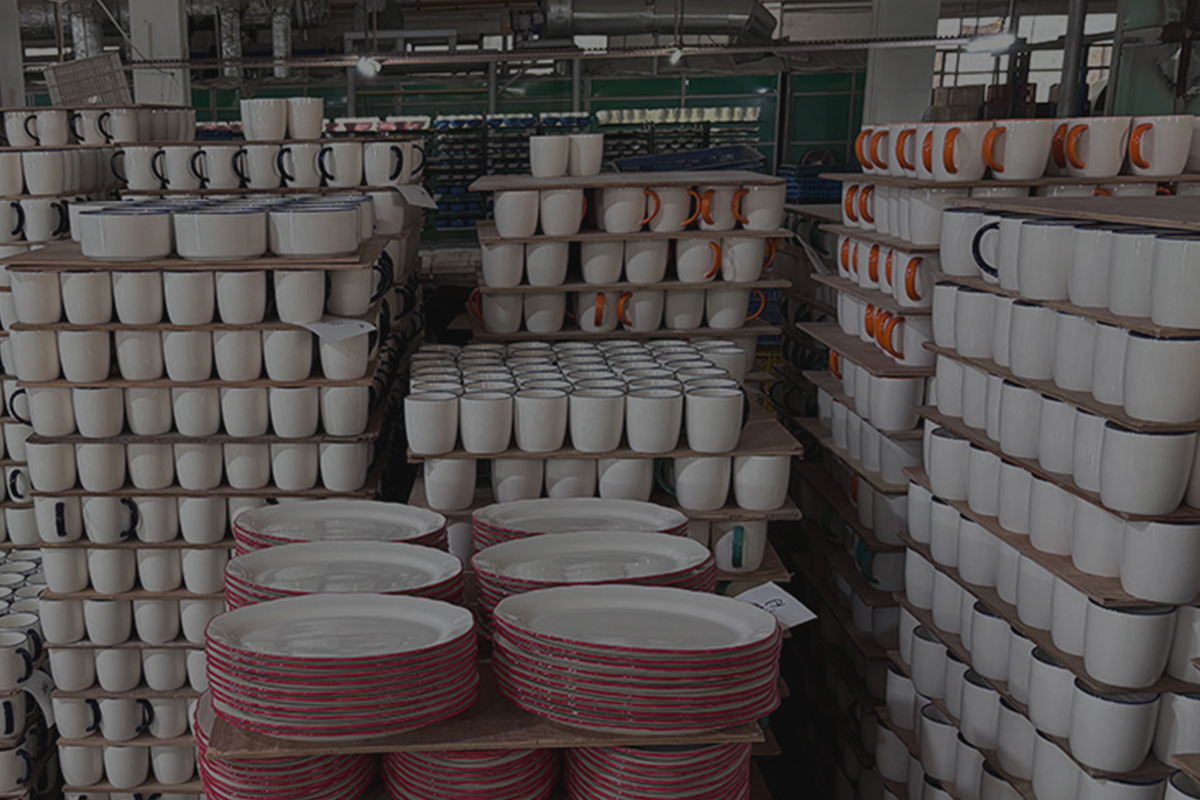
5. Packaging and Shipping Requirements
Ceramic products are fragile, so professional export packaging is essential.
The total ceramic dinnerware cost may include:
- Individual protective packaging
- Export cartons
- Pallets
- Drop-test requirements
- Container loading efficiency
Poor packaging may reduce initial costs but increase losses caused by breakage during transportation.
Experienced ceramic dinnerware manufacturers usually provide optimized packaging solutions to reduce damage rates during international shipping.
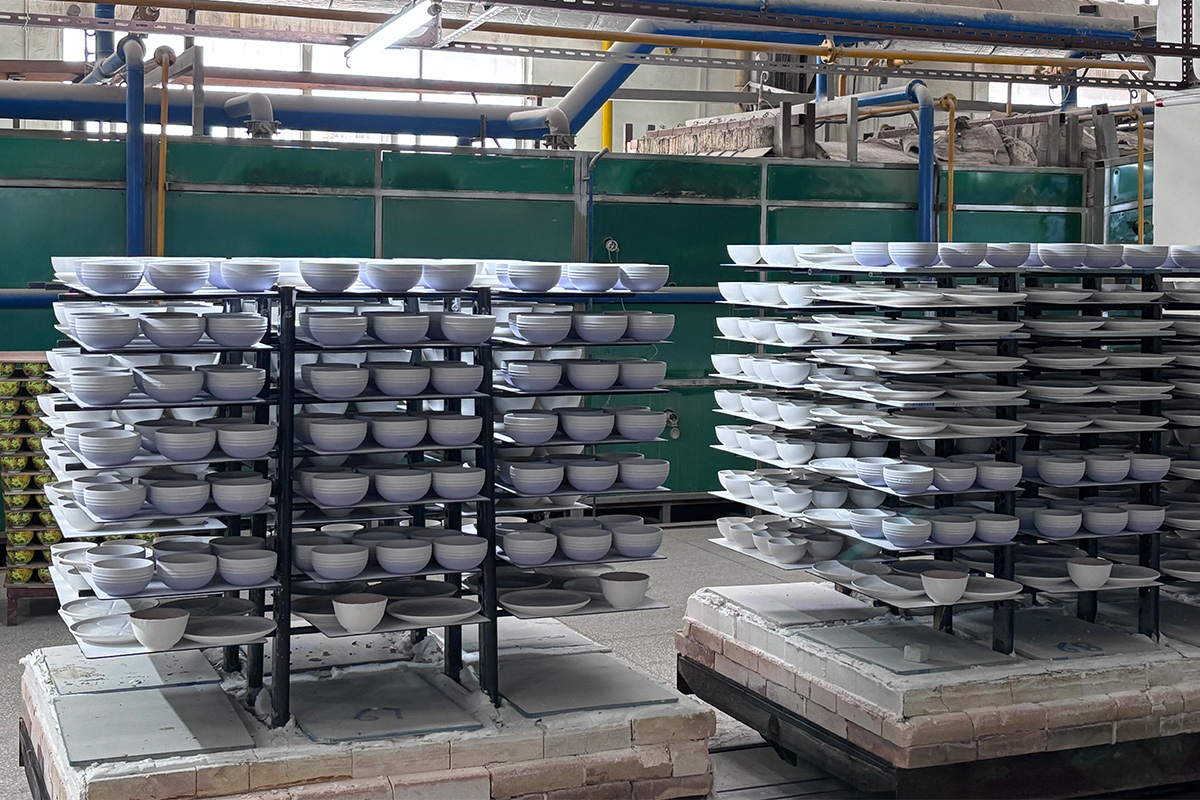
6. Quality Standards and Certifications
Different markets have different requirements for food-contact ceramic products.
Common requirements include:
- FDA compliance for the US market
- LFGB standards for Europe
- SGS testing
- Food safety inspections
Higher quality control standards may slightly increase production costs but provide greater reliability for professional buyers.
For hotels and restaurant projects, consistent quality is usually more important than simply choosing the cheapest supplier.
How to Reduce Wholesale Ceramic Dinnerware Prices
Professional buyers can reduce purchasing costs through several strategies:
Choose Standardized Designs
Using existing factory designs can reduce:
- Mold costs
- Development time
- Sampling expenses
Increase Order Quantity
Larger orders usually improve pricing efficiency.
Plan Orders in Advance
Avoiding urgent production schedules helps reduce additional costs.
Work With an Experienced Manufacturer
A reliable supplier can provide:
- Better production planning
- Stable quality
- Competitive pricing
- Professional export support
Why the Lowest Ceramic Dinnerware Price Is Not Always the Best Choice
Choosing the cheapest supplier may create hidden risks:
- Poor glaze quality
- High breakage rate
- Uneven product sizes
- Delayed delivery
- Limited customization ability
For commercial buyers, the real cost is not only the purchase price but also the long-term value, durability, and reliability of the supplier.
A professional ceramic dinnerware manufacturer helps buyers achieve the right balance between price, quality, and supply stability.
Why Choose Meinai Tableware for Wholesale Ceramic Dinnerware?
Meinai Tableware is a professional ceramic dinnerware manufacturer in China specializing in OEM and wholesale solutions for hotels, restaurants, wholesalers, and global importers.
With:
- 8+ years of manufacturing experience
- Professional production facilities
- OEM & ODM customization services
- Strict quality inspection
- Export experience worldwide
We help customers develop reliable ceramic dinnerware collections with competitive pricing and consistent quality.
Whether you need restaurant dinnerware, hotel tableware, custom logo products, or private label solutions, Meinai Tableware provides complete manufacturing support from design to production.
Frequently Asked Questions
What affects ceramic dinnerware prices the most?
The main factors are material, design complexity, customization requirements, MOQ, packaging, and quality standards.
Is porcelain dinnerware more expensive than stoneware?
Generally, premium porcelain costs more because of its refined appearance, higher whiteness, and production process.
How can I get a lower wholesale ceramic dinnerware price?
Increasing order quantity, choosing standard designs, and working directly with manufacturers can help reduce costs.
Does custom logo dinnerware cost more?
Yes. Logo printing, customized designs, and special packaging usually add additional costs.
What is the typical MOQ for ceramic dinnerware?
MOQ depends on product design, factory capability, and customization requirements.
Conclusion
Understanding the factors behind ceramic dinnerware price helps importers, hotels, and restaurants make smarter purchasing decisions.
The best supplier is not always the one offering the lowest quotation. A reliable ceramic dinnerware manufacturer should provide competitive pricing, stable quality, customization capability, and long-term supply support.
By evaluating materials, production processes, MOQ, packaging, and supplier experience, buyers can achieve the best balance between cost and product value.
Contact Meinai Tableware today for a customized wholesale ceramic dinnerware quotation and OEM solution.
Looking for a reliable hotel dinnerware supplier in China?
Meinai Tablehttps://meinaitableware.com/about-us/ware provides OEM and ODM ceramic dinnerware solutions for hotels, resorts, restaurants, wholesalers, and hospitality brands worldwide.
We offer:
- Custom logo & private label manufacturing
- Factory-direct production
- Strict quality inspection
- Stable bulk supply
- Flexible OEM & ODM services
- Global export experience
Contact our team today to request samples, discuss your hotel project, or receive a customized quotation.