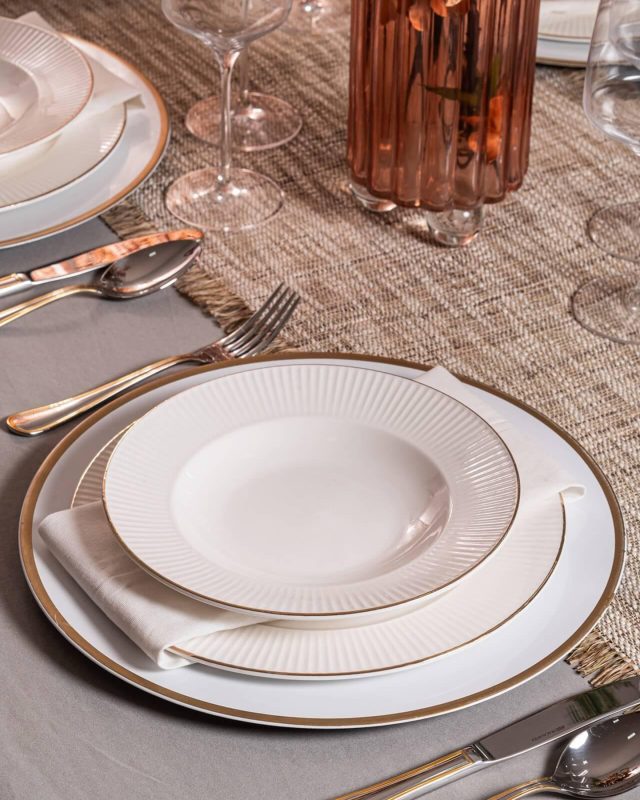





How to Choose Restaurant Dinnerware for a New Restaurant: Complete Buying Guide for Restaurant Owners

Opening a new restaurant involves hundreds of decisions, from menu development and interior design to kitchen equipment and staffing. However, one important factor that is often overlooked is restaurant dinnerware.
The right dinnerware does more than serve food. It influences food presentation, strengthens your brand image, improves customer experience, and even affects long-term operating costs.
For restaurant owners, choosing the right dinnerware supplier from the beginning can save time, money, and future headaches.
This guide explains exactly how to select the best restaurant dinnerware for your new business.
Why Restaurant Dinnerware Matters
Customers often judge a restaurant within seconds of receiving their meal.
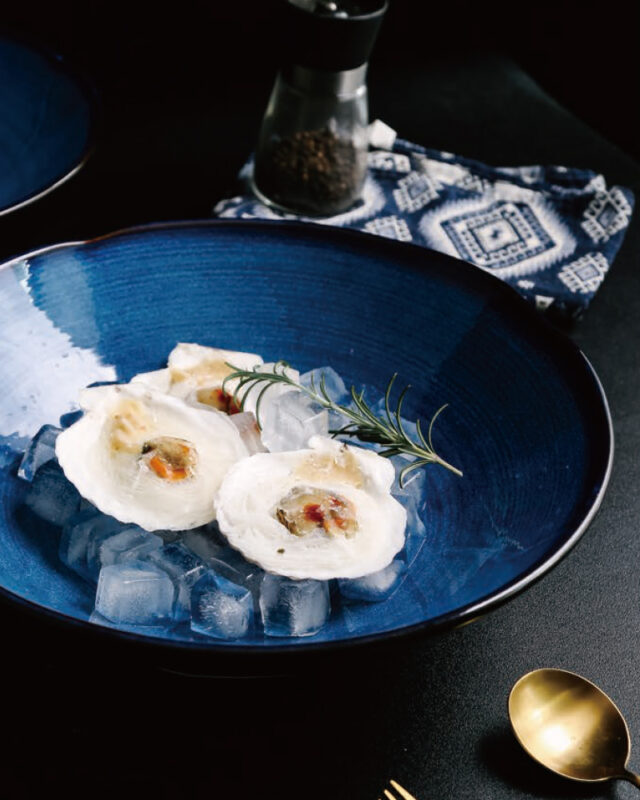
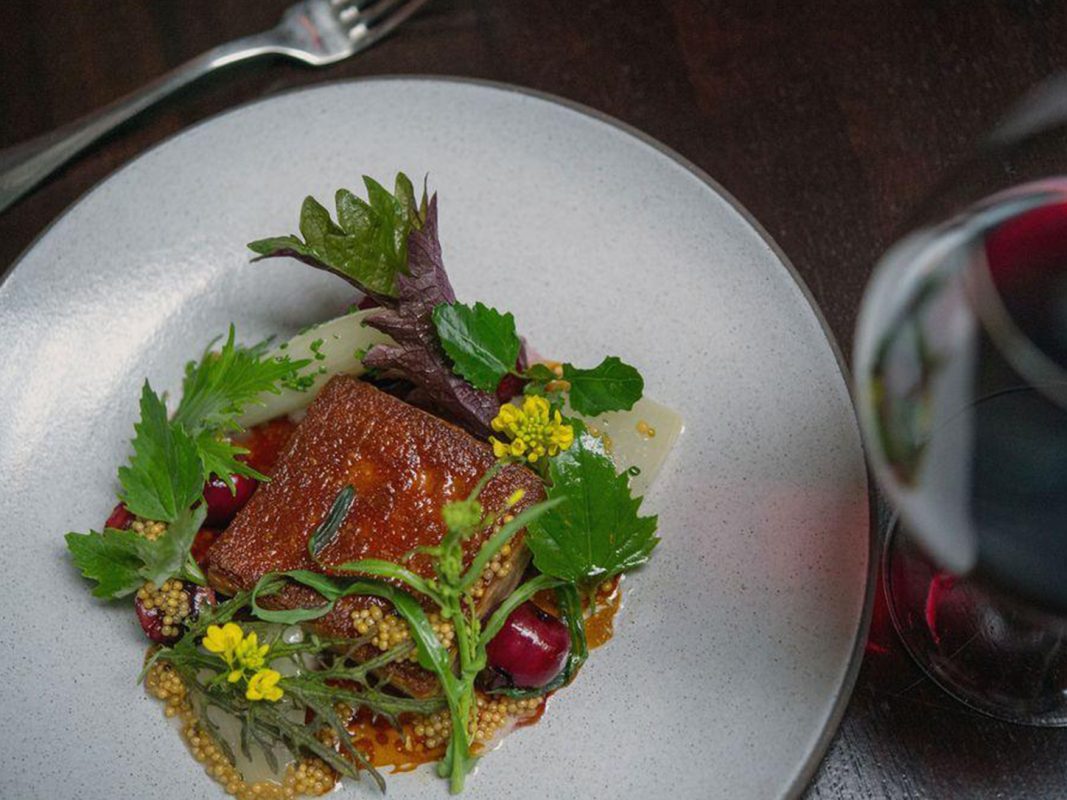
Even the best dish can lose its visual appeal if served on the wrong plate.
Well-designed dinnerware helps:
- Enhance food presentation
- Create a memorable dining experience
- Strengthen brand identity
- Increase perceived menu value
- Improve customer satisfaction
In today’s social media-driven dining culture, attractive tableware can even encourage customers to share photos online, helping promote your restaurant organically.
Step 1: Match Dinnerware to Your Restaurant Concept
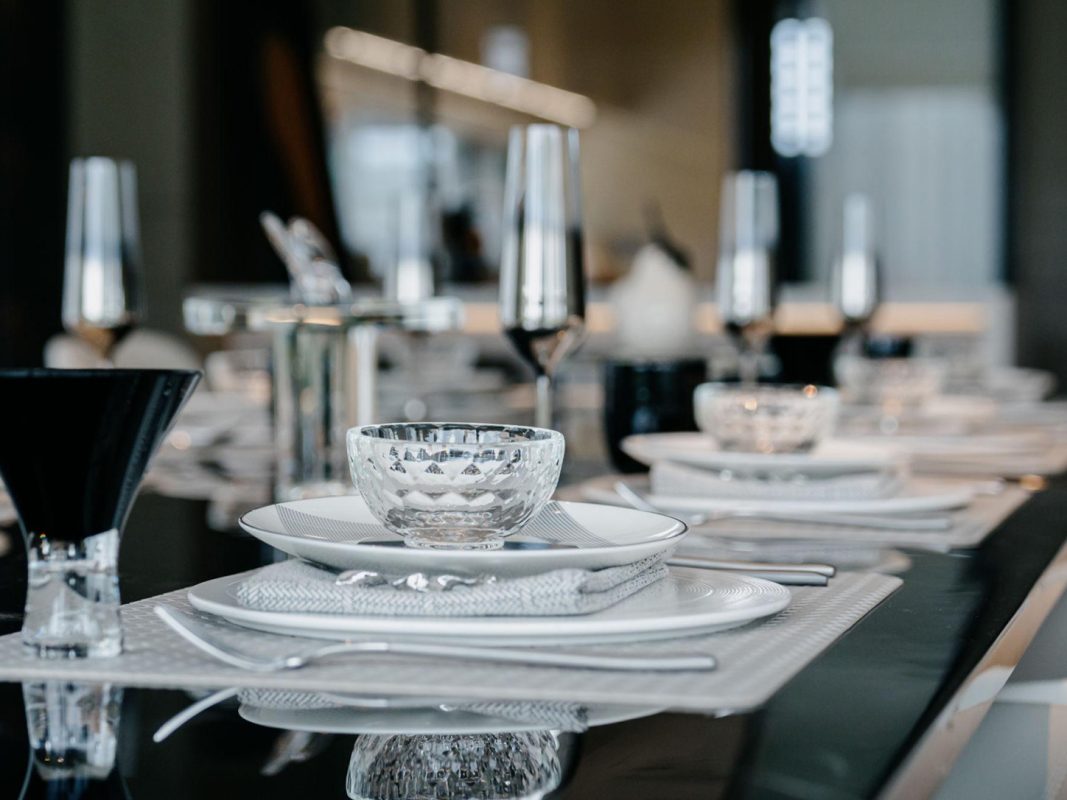
Before contacting suppliers, define your restaurant’s positioning.
Different dining concepts require different styles of tableware.
Fine Dining Restaurants
Popular choices include:
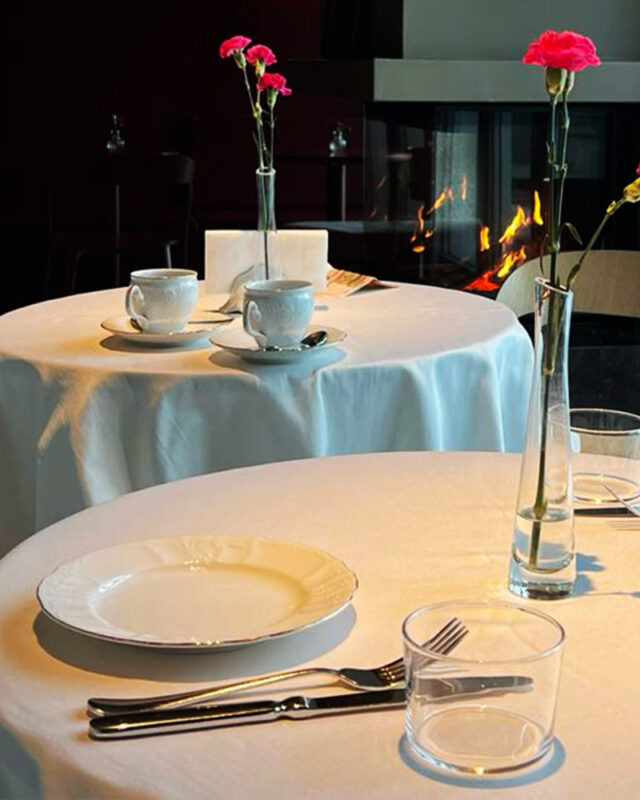
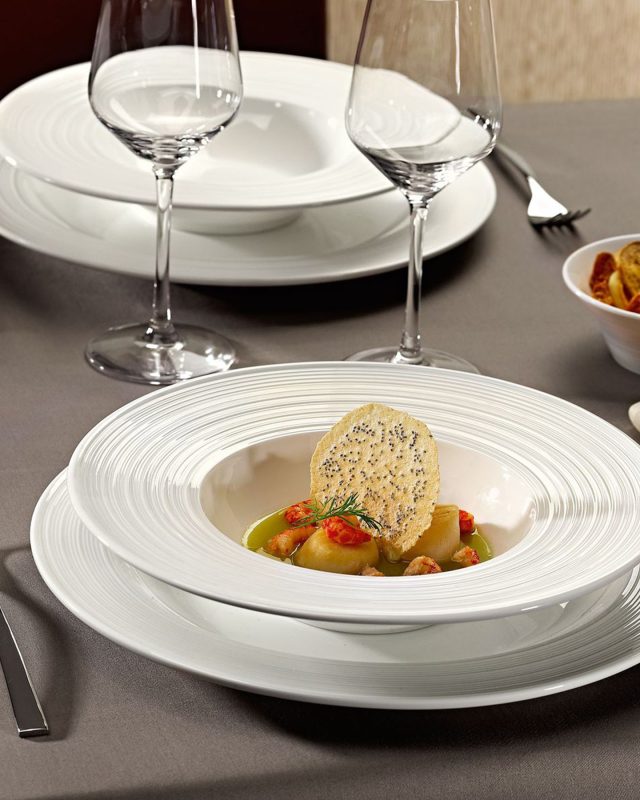
- White porcelain dinnerware
- Gold-rim plates
- Elegant serving platters
Modern Restaurants
Popular choices include:
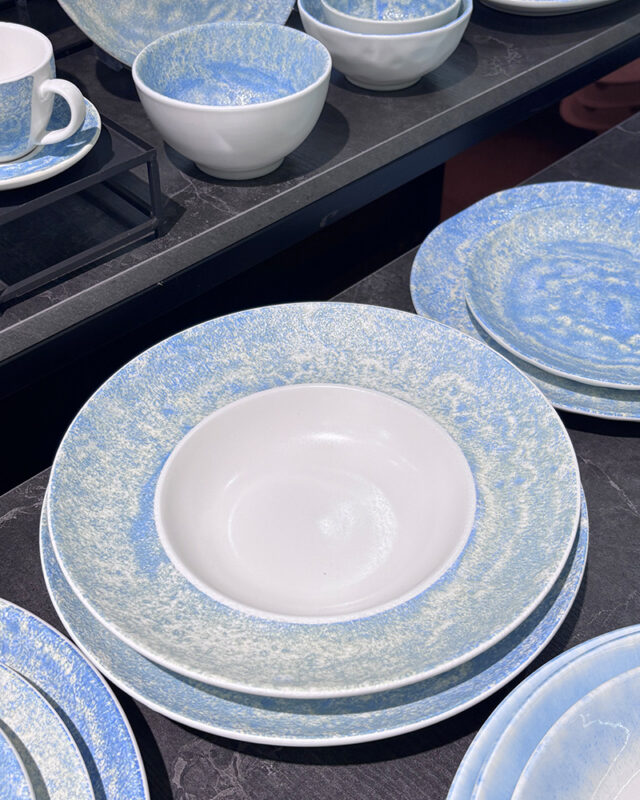
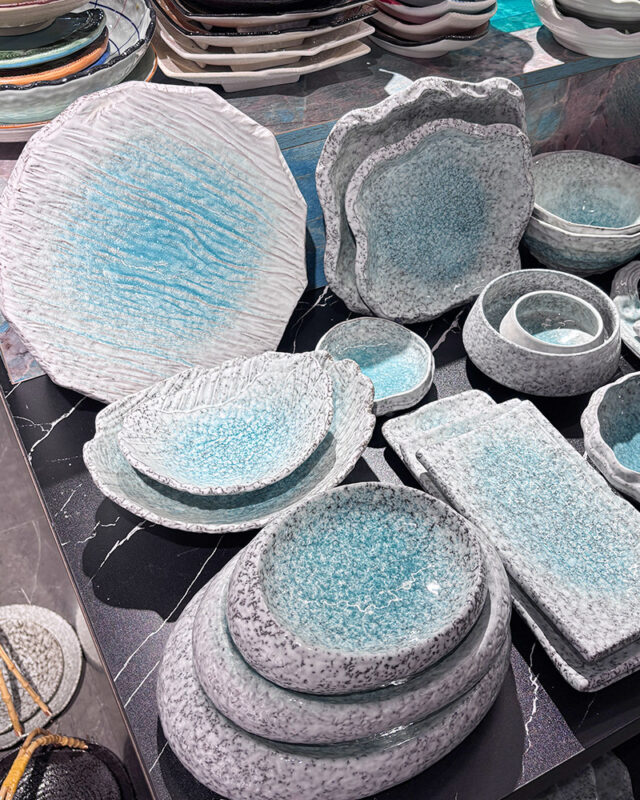
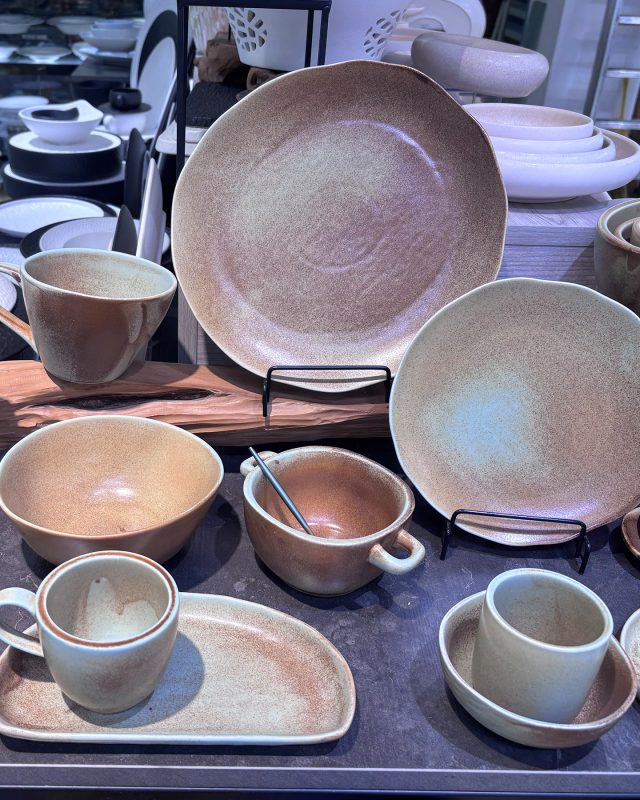
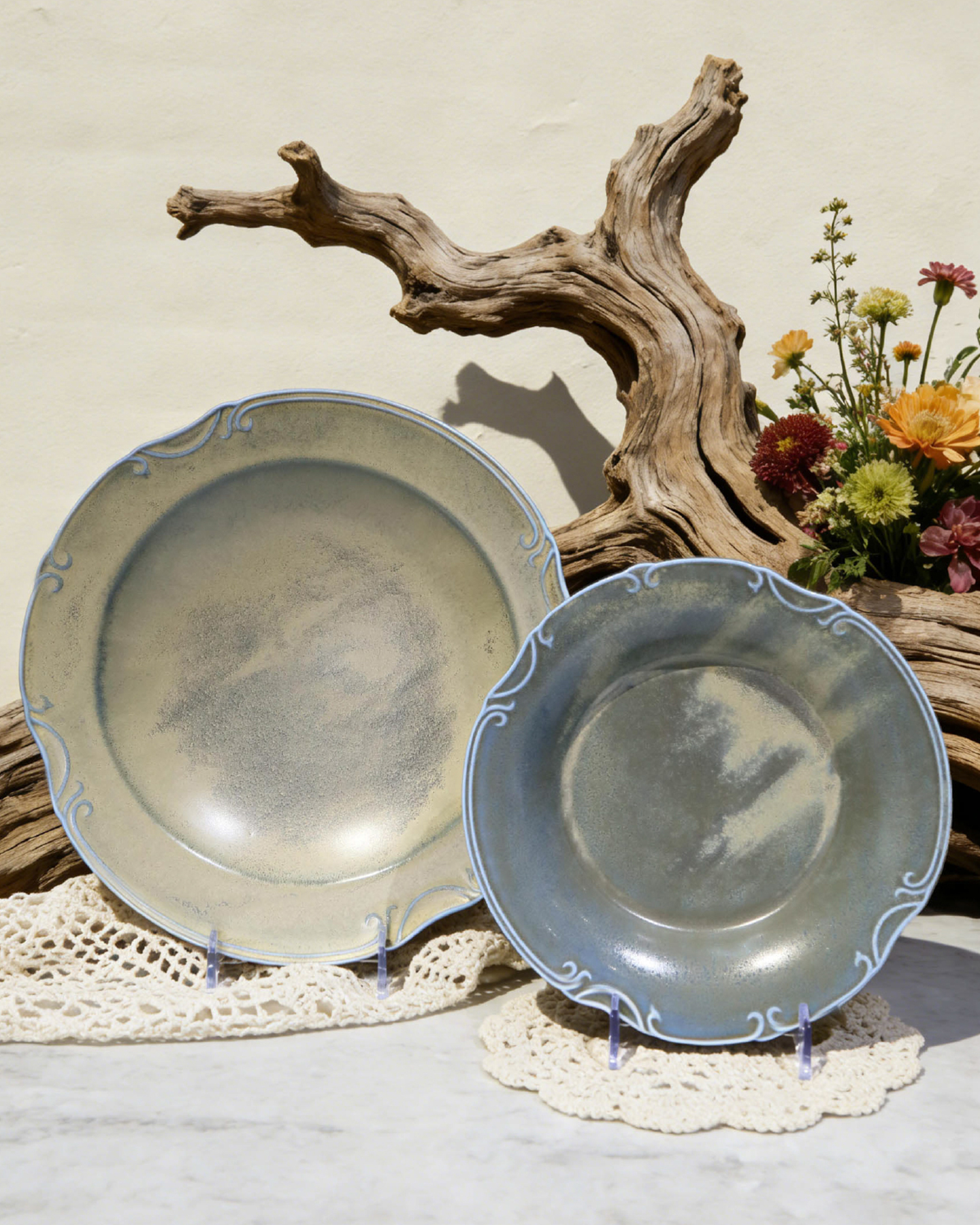
- Reactive glaze ceramic dinnerware
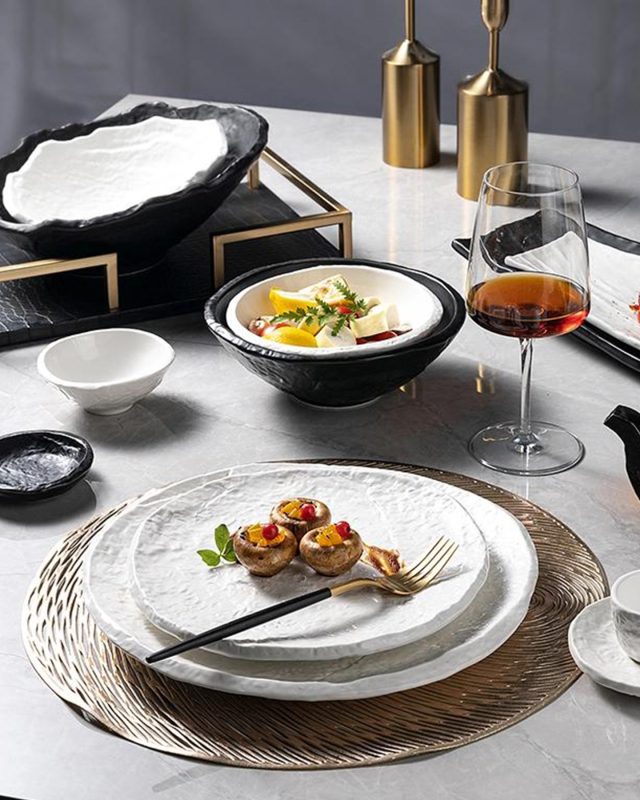
- Matte finish plates
- Contemporary shapes
Cafés & Casual Dining
Popular choices include:
- Rustic stoneware
- Handcrafted ceramic collections
- Earth-tone colors
The goal is to choose dinnerware that complements your brand and dining atmosphere.
Step 2: Choose the Right Material
Material directly affects durability, appearance, and operating costs.
Porcelain
Advantages:
- Elegant appearance
- High durability
- Chip resistant
- Suitable for hotels and restaurants
Ceramic
Advantages:
- Rich colors and textures
- Unique handcrafted appearance
- Excellent for modern restaurant concepts
Stoneware
Advantages:
- Rustic and natural aesthetic
- Strong visual impact
- Popular among cafés and boutique restaurants
For most commercial restaurants, porcelain and high-quality ceramic dinnerware provide the best balance between appearance and durability.
Step 3: Consider Custom Branding
Many successful restaurant brands use customized dinnerware to strengthen brand recognition.
Popular customization options include:
- Logo printing
- Underglaze decoration
- Embossed logos
- Custom colors
- Private label packaging
Branded dinnerware creates a more professional dining experience and helps customers remember your restaurant.
Best Logo Decoration Methods
| Method | Durability | Recommended Use |
| Underglaze Logo | ★★★★★ | Restaurants & Hotels |
| In-glaze Logo | ★★★★★ | Premium Hospitality |
| Decal Logo | ★★★★☆ | Restaurant Chains |
| Embossed Logo | ★★★★★ | Luxury Brands |
For commercial use, underglaze and in-glaze decorations offer the best long-term performance.
Step 4: Understand MOQ and Budget
Many restaurant owners focus only on price, but MOQ and overall value are equally important.
Typical MOQ requirements:
| Product | MOQ |
| Dinner Plates | 500 pcs |
| Bowls | 500 pcs |
| Mugs | 500 pcs |
| Custom Designs | 1000 pcs+ |
When evaluating suppliers, consider:
- Product lifespan
- Replacement costs
- Shipping costs
- Packaging quality
- Future expansion plans
The cheapest option is rarely the most cost-effective over time.
Step 5: Verify Commercial Quality Standards
Restaurant dinnerware must withstand daily commercial use.
Look for products that are:
- Dishwasher safe
- Microwave safe
- Chip resistant
- Food-safe certified
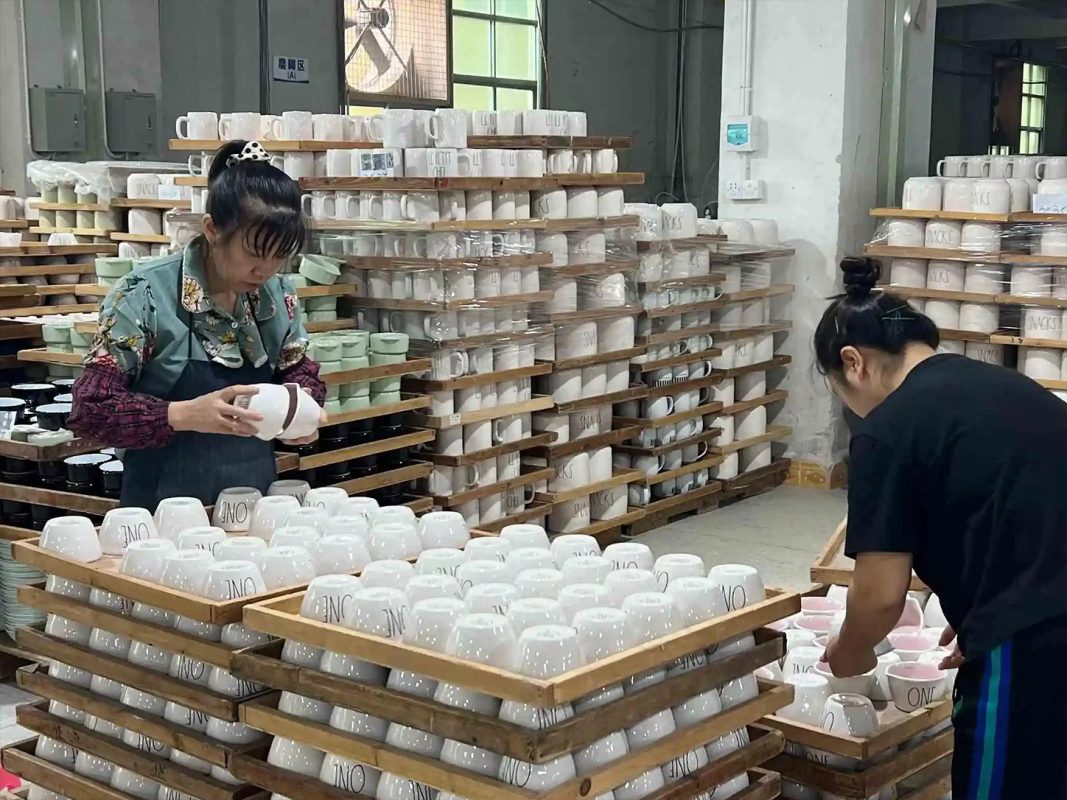
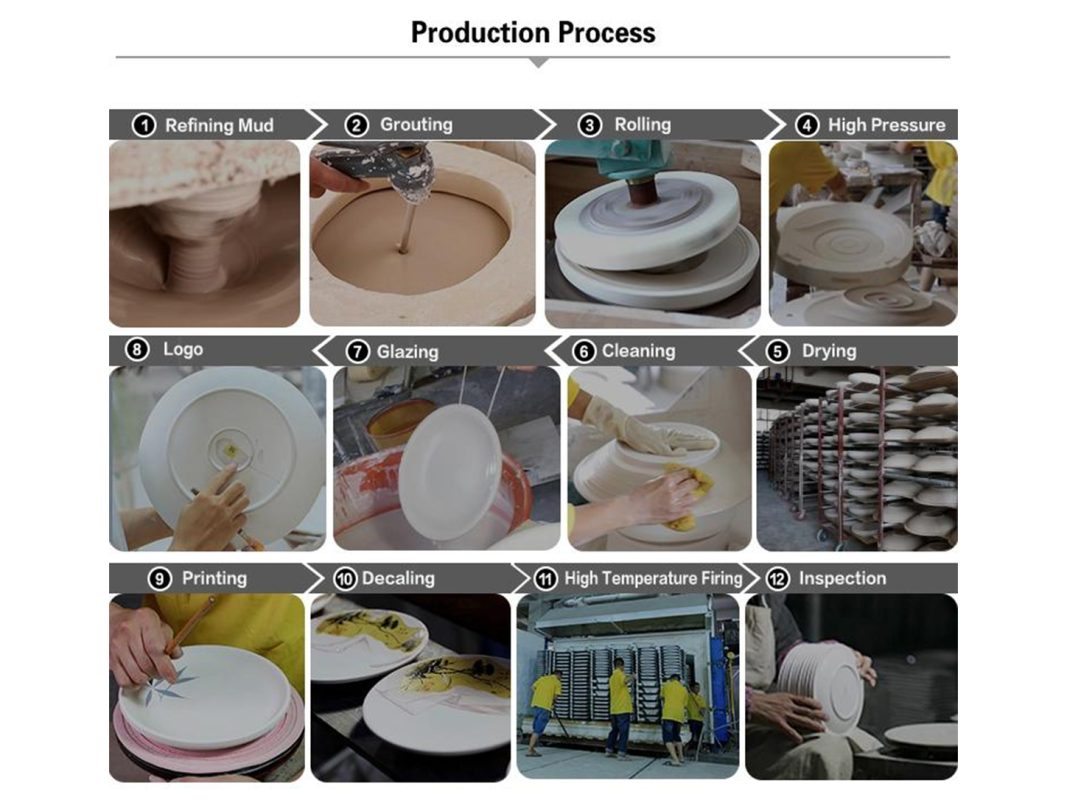
Reliable manufacturers should also provide strict quality control throughout production.
Consistent quality is especially important if you plan to open additional restaurant locations in the future.
Step 6: Choose a Supplier That Supports Long-Term Growth
A good supplier should be more than a product vendor.
They should become a long-term partner capable of supporting your business growth.
Look for suppliers with:
- Stable production capacity
- Export experience
- OEM & ODM capabilities
- Quality assurance systems
- Responsive customer service
This helps ensure consistent supply and product quality as your restaurant expands.
Case Study: New Restaurant Launch in Canada
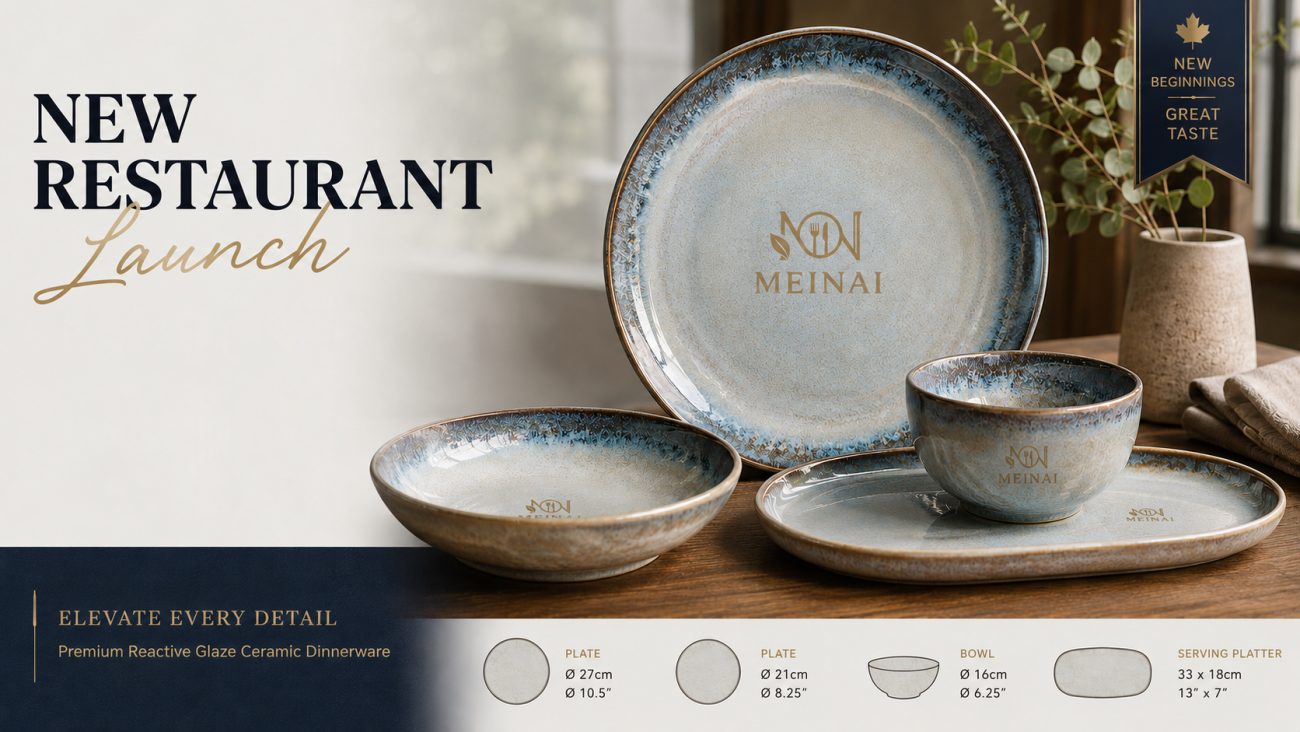
A new restaurant group in Canada wanted to create a modern dining experience with custom-branded ceramic dinnerware.
Challenges
- Limited startup budget
- Need for unique branding
- Commercial durability requirements
Solution
Meinai Tableware developed:
Results
✔ Stronger brand image
✔ Higher customer engagement
✔ Reduced replacement costs
✔ Successful restaurant launch
Why Choose Meinai Tableware?
As a professional ceramic dinnerware manufacturer in China, we help restaurants create durable and customized tableware collections.
Our Advantages
✓ Restaurant Dinnerware Solutions
✓ OEM & ODM Development
✓ Custom Logo Decoration