




7 Common Dinnerware Purchasing Mistakes Hotels, Restaurants & Importers Should Avoid

Choosing commercial dinnerware is about more than selecting attractive plates and bowls. For hotels, restaurants, catering companies, and importers, the wrong purchasing decision can lead to higher replacement costs, operational inefficiencies, food safety risks, and damage to brand reputation.
After years of serving hospitality buyers worldwide, we’ve found that most procurement problems stem from a few common mistakes. Avoiding them can help reduce costs, improve operational efficiency, and maximize long-term return on investment.
1. Focusing Only on Price
One of the biggest purchasing mistakes is choosing dinnerware based solely on unit price.
A lower-priced product may seem attractive initially, but poor-quality dinnerware often results in:
- Higher breakage rates
- Frequent replacement orders
- Increased inventory costs
- Inconsistent guest experiences
Instead of comparing only purchase prices, evaluate the total cost of ownership, including durability, replacement frequency, and expected lifespan.
Tip: The cheapest dinnerware is rarely the most cost-effective option in the long run.

ROI Comparison for Hospitality Businesses
Example: Based on a Restaurant or Hotel with Annual Revenue of $500,000
| Evaluation Criteria | Stoneware | Porcelain | Bone China |
|---|---|---|---|
| Initial Investment | Low | Medium | High |
| Durability | ★★★★★ | ★★★★☆ | ★★★★☆ |
| Food Presentation | ★★★☆☆ | ★★★★★ | ★★★★★ |
| Customer Perceived Value | ★★★☆☆ | ★★★★☆ | ★★★★★ |
| Social Media Appeal | ★★★☆☆ | ★★★★☆ | ★★★★★ |
| Replacement Frequency | Low | Medium | Medium |
| Long-Term ROI | ★★★★☆ | ★★★★★ | ★★★★☆ |
| Best Value for Money | ★★★★☆ | ★★★★★ | ★★★☆☆ |
Commercial Dinnerware Total Cost of Ownership (TCO) Comparison
Example: 200-Piece Dinnerware Set Used in a Hotel or Restaurant Over 3 Years
| Cost Factor | Stoneware | Porcelain | Bone China |
|---|---|---|---|
| Initial Purchase Cost | $2.50/pc | $3.50/pc | $5.50/pc |
| Initial Investment (200 pcs) | $500 | $700 | $1,100 |
| Average Annual Breakage Rate | 6% | 8% | 5% |
| Annual Replacement Cost | $30 | $56 | $55 |
| 3-Year Replacement Cost | $90 | $168 | $165 |
| Estimated Logistics Cost | High | Medium | Low |
| Estimated Storage Cost | High | Medium | Low |
| Total 3-Year Ownership Cost | $590 | $868 | $1,265 |
| Brand Perception Value | Medium | High | Premium |
| Recommended Application | Casual Dining | Hotels & Restaurants | Luxury Hospitality |
2. Choosing the Wrong Material
Not all ceramic dinnerware is designed for the same application.
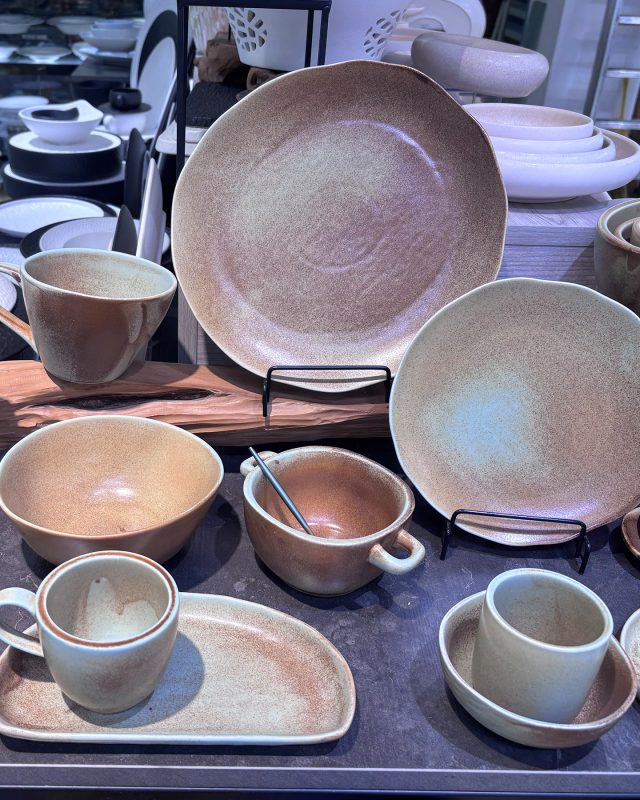
- Stoneware is ideal for cafés, casual dining, and modern restaurant concepts.
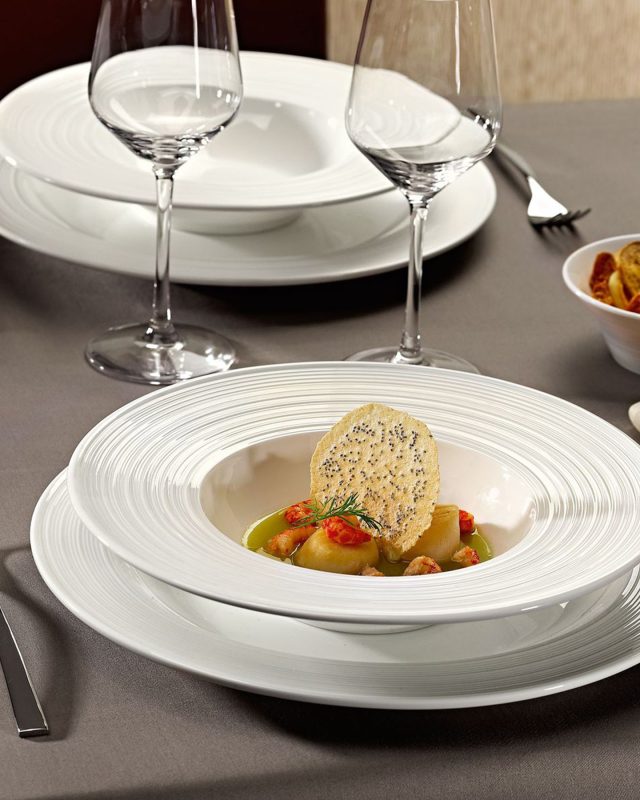
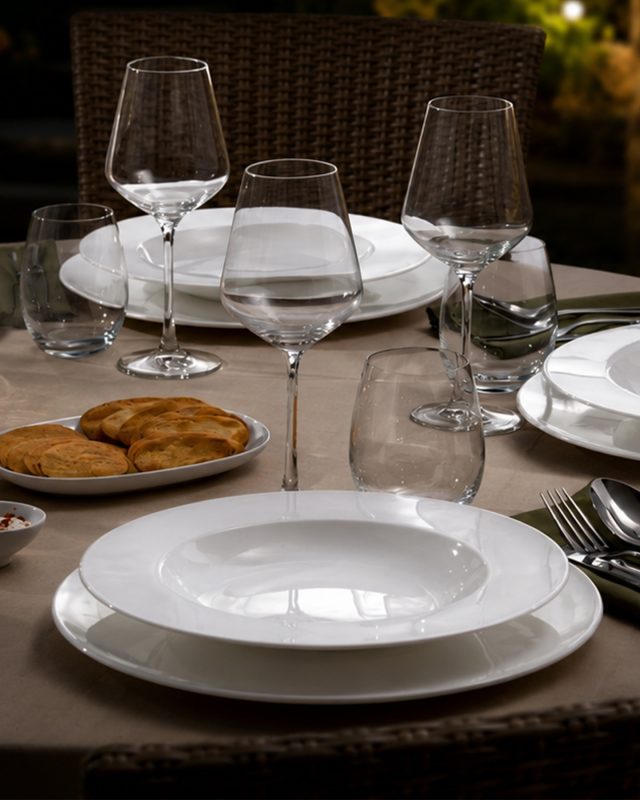
- Porcelain is the preferred choice for hotels, banquets, and professional food presentation.
- Bone China is best suited for luxury hospitality and fine dining environments.
Selecting the wrong material can negatively impact both operational performance and brand image.
Choose dinnerware that aligns with your dining concept, customer expectations, and service style.
3. Ignoring Food Safety Certifications
Food safety should be a top priority for every buyer.
Before placing an order, verify that products comply with international food-contact standards such as:
✓ FDA (USA)
✓ LFGB (Germany/EU)
✓ Lead & Cadmium Testing
✓ Microwave-Safe Certification
✓ Dishwasher-Safe Certification
Non-compliant products can create legal, financial, and reputational risks for restaurants and hospitality businesses.
4. Overlooking Reorder Consistency
Many buyers focus on the first shipment but forget about future replenishment.
Months later, they discover:
- Color variations
- Different glaze finishes
- Size inconsistencies
- Discontinued product lines
For hotels, restaurant chains, and distributors, maintaining a consistent tableware collection is essential.
Always work with manufacturers that can provide stable long-term production and reliable quality control.
5. Underestimating Logistics Costs
The weight and packaging of dinnerware directly affect transportation and storage expenses.
For example, stoneware is generally heavier than porcelain and bone china, which may increase:
- Ocean freight costs
- Air freight costs
- Warehouse expenses
- Handling costs
Importers should calculate total landed costs—not just product prices—before making purchasing decisions.
6. Skipping Sample Testing
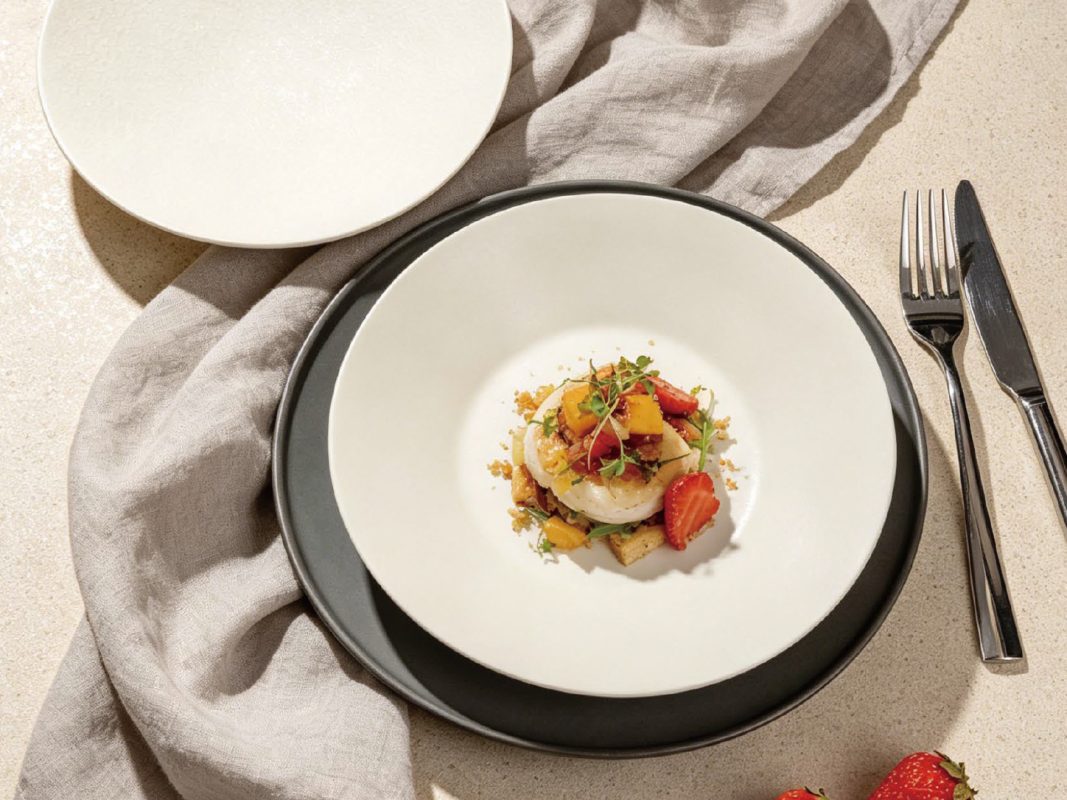
Product photos and catalogs never tell the full story.
Before committing to a large order, request samples and evaluate:
✓ Surface finish
✓ Glaze quality
✓ Weight consistency
✓ Dishwasher performance
✓ Chip resistance
✓ Color accuracy
Sample testing is one of the simplest and most effective ways to reduce procurement risk.

7. Choosing a Supplier Without Proper Evaluation
A reliable supplier is just as important as the product itself.
Before selecting a dinnerware manufacturer, assess:
✓ Production capacity
✓ Quality control systems
✓ Export experience
✓ OEM & ODM capabilities
✓ Food safety certifications
✓ Communication efficiency
A trustworthy supplier can help ensure product consistency, timely delivery, and long-term business growth.
Conclusion
Successful hospitality buyers understand that dinnerware is not simply a product—it’s an investment in guest experience, operational efficiency, and brand positioning.
By avoiding these seven common purchasing mistakes, hotels, restaurants, and importers can lower costs, reduce risk, and build stronger supplier partnerships.
Choosing the right dinnerware and the right manufacturer today can create lasting value for your business tomorrow.
Frequently Asked Questions (FAQ)
What is the biggest mistake when buying commercial dinnerware?
Focusing only on unit price instead of considering durability, replacement costs, and long-term performance.
What certifications should dinnerware suppliers provide?
FDA, LFGB, Lead & Cadmium Test Reports, Dishwasher-Safe, and Microwave-Safe certifications.
Is stoneware or porcelain better for restaurants?
Stoneware is ideal for casual dining, while porcelain remains the most versatile choice for hotels and restaurants.
Why is supplier selection important?
A reliable supplier ensures consistent quality, stable production, food safety compliance, and long-term replenishment support.
Should I request samples before placing an order?
Absolutely. Sample testing helps verify quality, durability, and consistency before committing to large-scale production.
Why Choose Meinai Tableware?
As a professional ceramic dinnerware manufacturer in China, we help restaurants create durable and customized tableware collections.
Our Advantages
✓ Restaurant Dinnerware Solutions
✓ OEM & ODM Development
✓ Custom Logo Decoration
✓ Private Label Packaging
✓ Strict Quality Control
✓ Stable Production Capacity
✓ Global Export Experience
We serve customers across Canada, USA, UAE, Saudi Arabia, Europe, and other international markets.