




Stoneware vs Porcelain vs Bone China Dinnerware: Which Is Best for Hotels, Restaurants, and Importers?

For hotel purchasing managers, restaurant owners, hospitality groups, and dinnerware importers, choosing the right dinnerware is about more than appearance. The material you select directly impacts guest experience, brand image, replacement costs, operational efficiency, and long-term return on investment.
Today, the three most popular materials in the commercial tableware market are:
While all three belong to the ceramic dinnerware category, they differ significantly in durability, appearance, weight, cost, and ideal applications.
This guide compares stoneware, porcelain, and bone china from a commercial buyer’s perspective, helping hotels, restaurants, wholesalers, and importers make informed purchasing decisions.
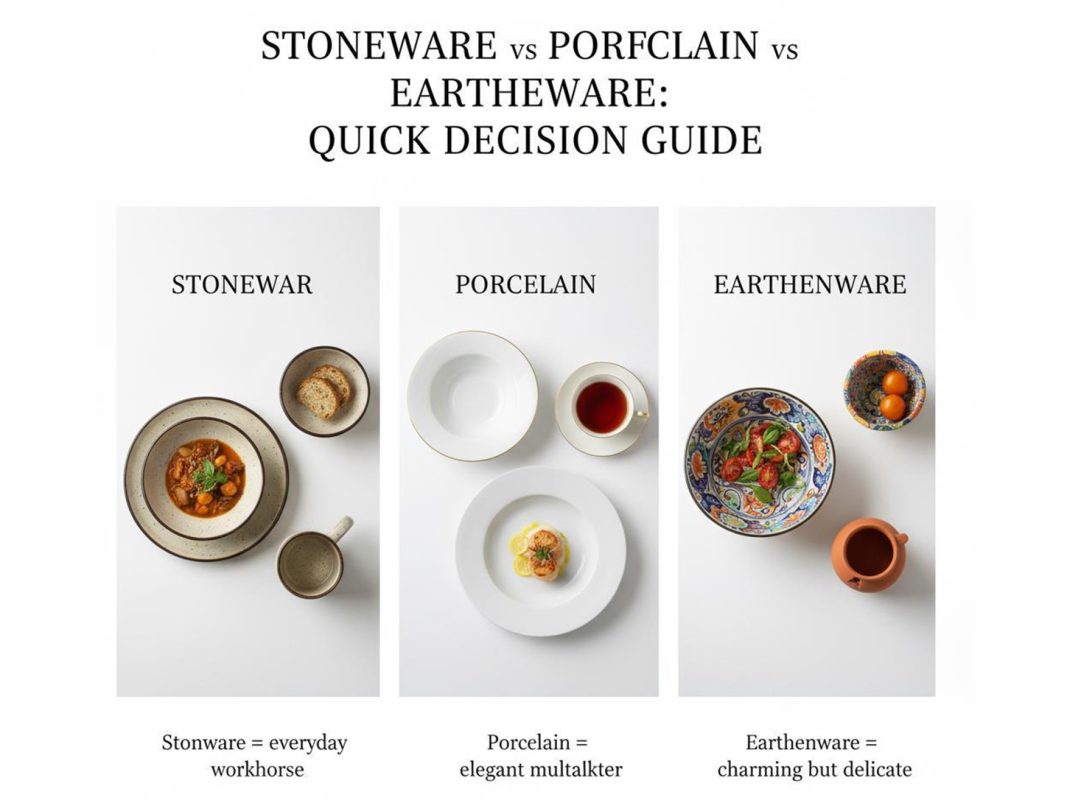
Quick Comparison of Stoneware, Porcelain and Bone China
| Project | Stoneware | Porcelain | bone china |
| Main raw materials | Clay | Kaolin | Kaolin + Bone Powder |
| Weight | heavier | Medium | Lightest |
| Whiteness | Medium | High | Extremely high |
| Light transmittance | None | Slight | obviously |
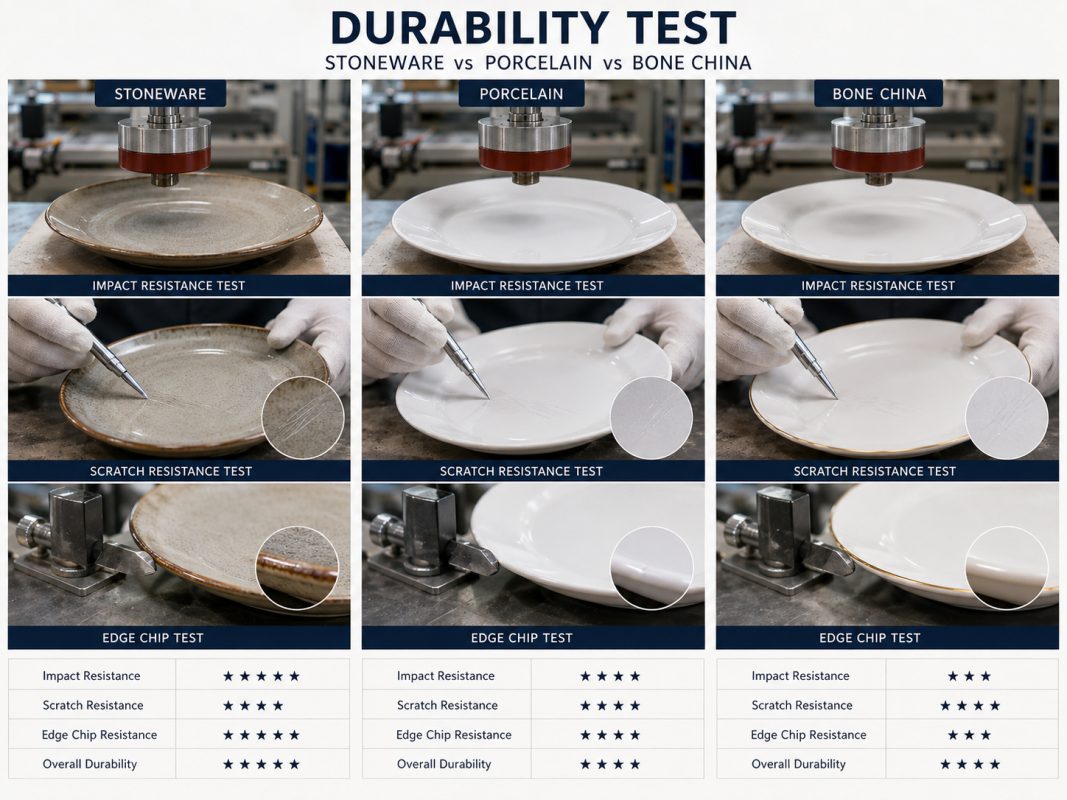
| Durability | ★★★★★ | ★★★★☆ | ★★★★☆ |
| Grade sense | Medium and high end | High-end | Luxury Level |
Technical Comparison Table
| Feature | Stoneware | Porcelain | Bone China |
| Water Absorption | 1-3% | <0.5% | <0.5% |
| Weight | Heavy | Medium | Light |
| Chip Resistance | High | Medium | Medium-High |
| Dishwasher Safe | Yes | Yes | Yes |
| Microwave Safe | Yes | Yes | Usually Yes |
| Recommended Hotel Level | 3-4 Star | 4-5 Star | Luxury 5-Star |
Stoneware Dinnerware: Durable and Design-Focused
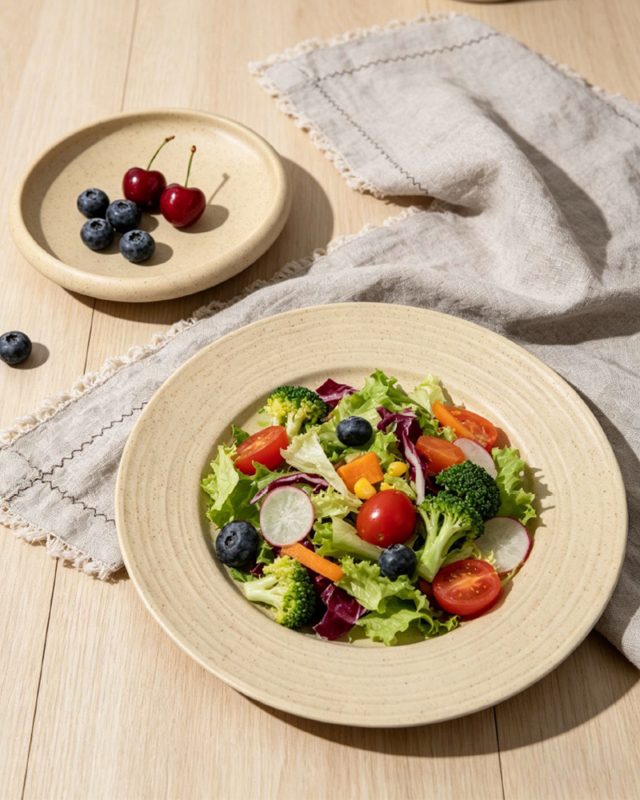
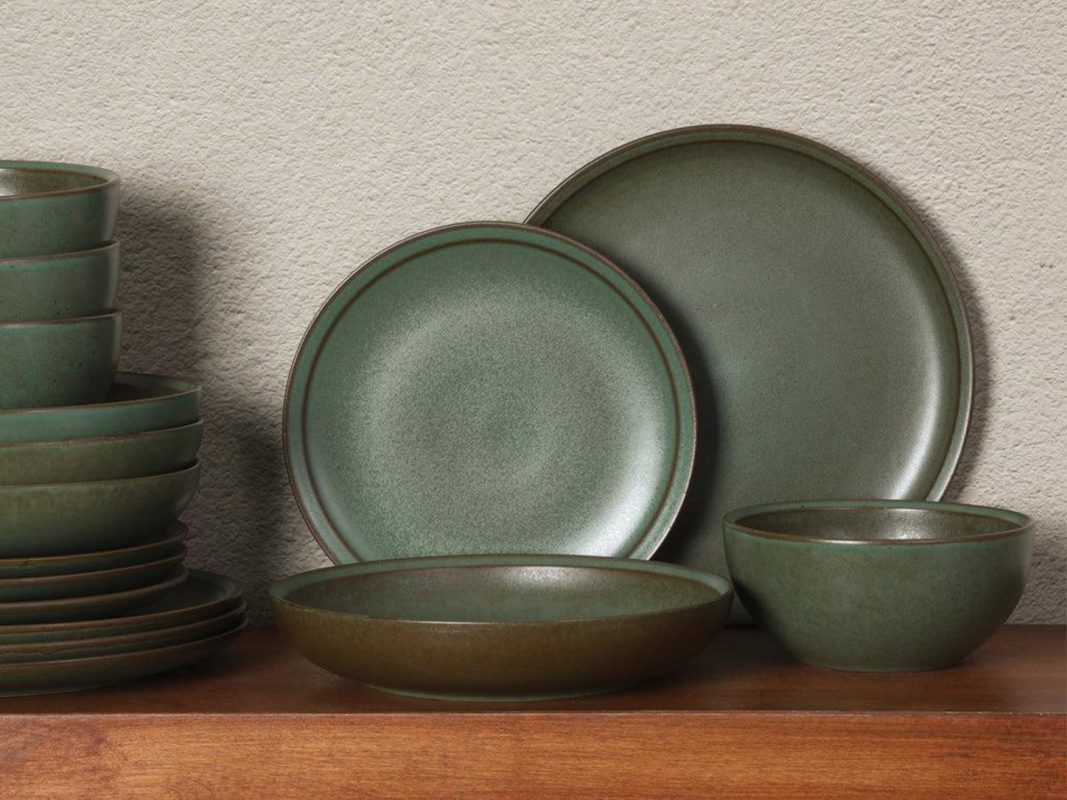
Stoneware has become one of the fastest-growing dinnerware categories across North America, Europe, and the Middle East.
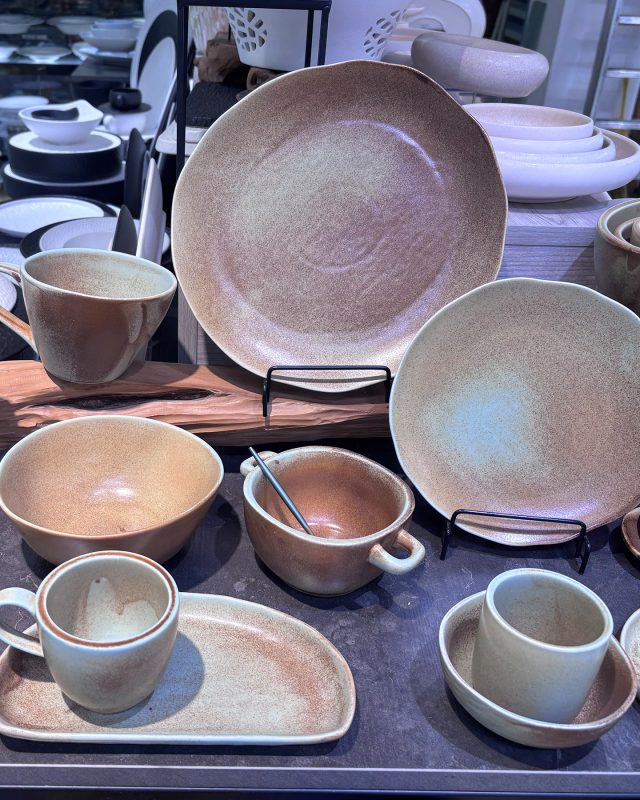
Its thicker body and handcrafted appearance make it especially popular among restaurants seeking a modern, natural aesthetic.
Key Advantages
✓ Excellent chip resistance
✓ Suitable for high-frequency use
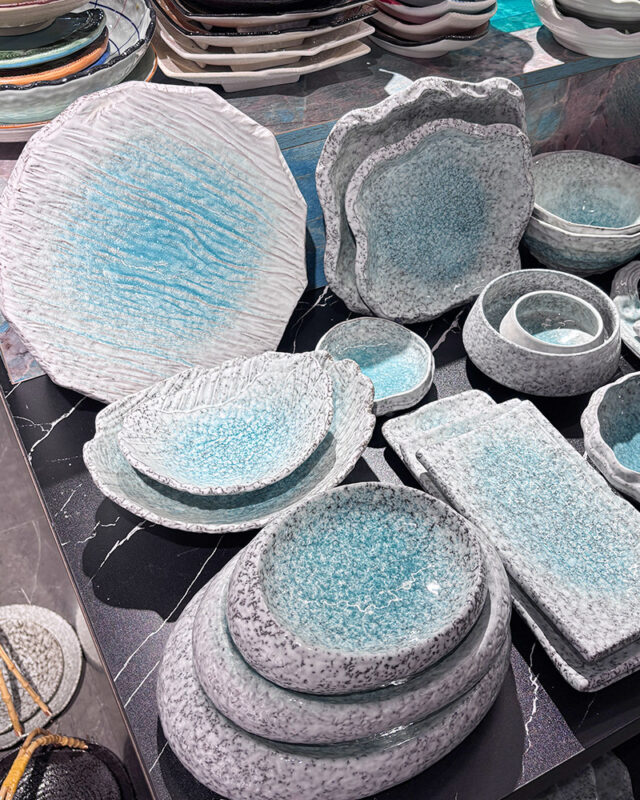
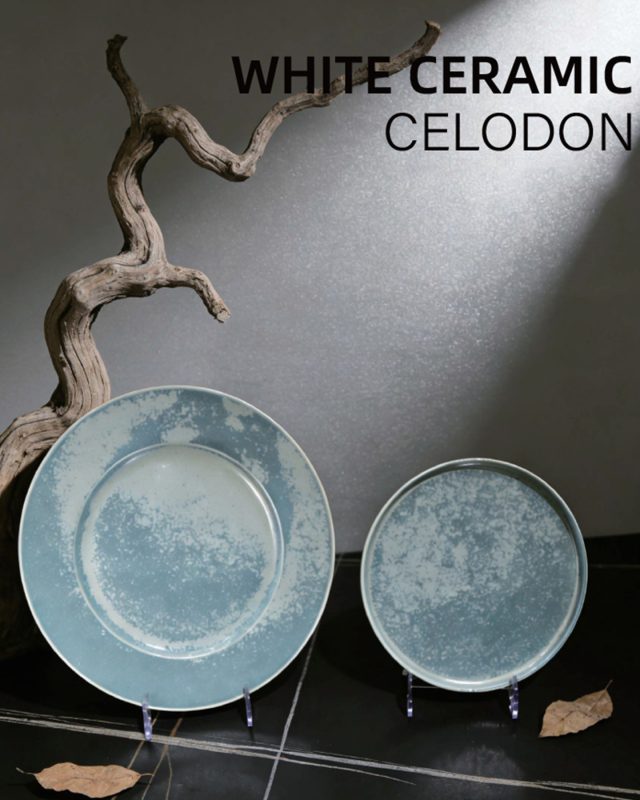
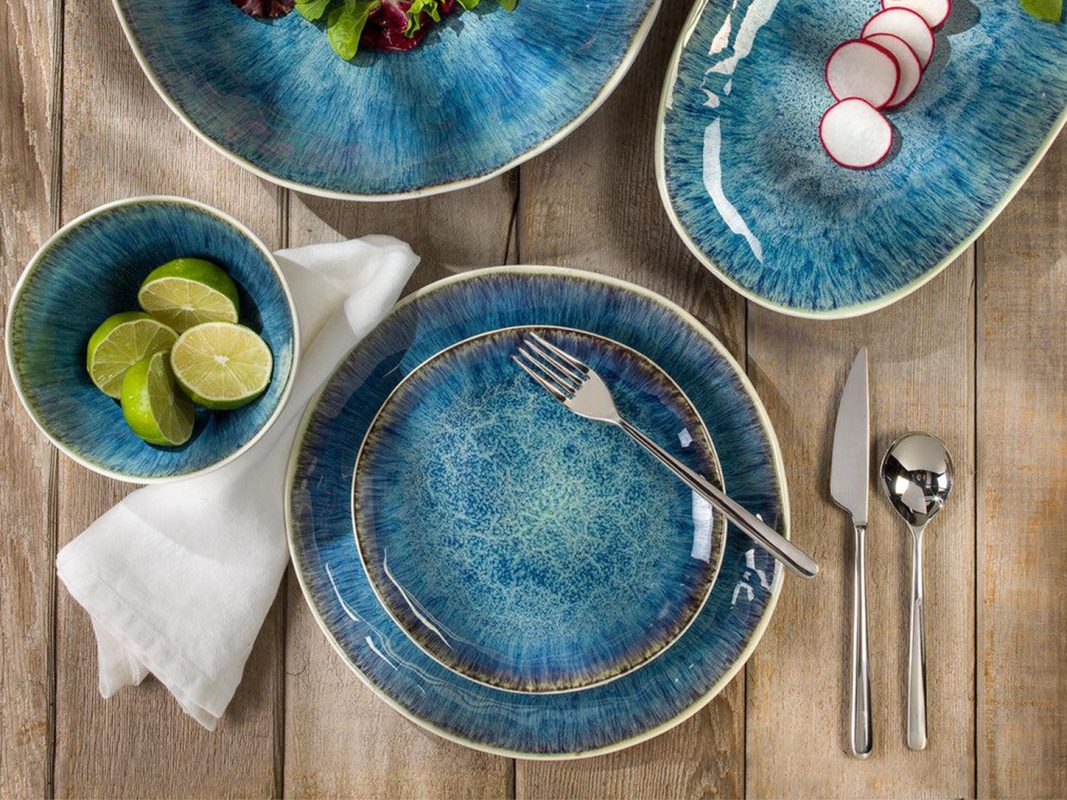
✓ Unique reactive glaze and matte finishes
✓ Cost-effective for commercial operations
✓ Strong visual appeal for contemporary dining
Best Applications
- Cafés
- Casual Dining Restaurants
- Boutique Hotels
- Restaurant Chains
- Homeware Retail Brands
Porcelain Dinnerware: The Hospitality Industry Standard
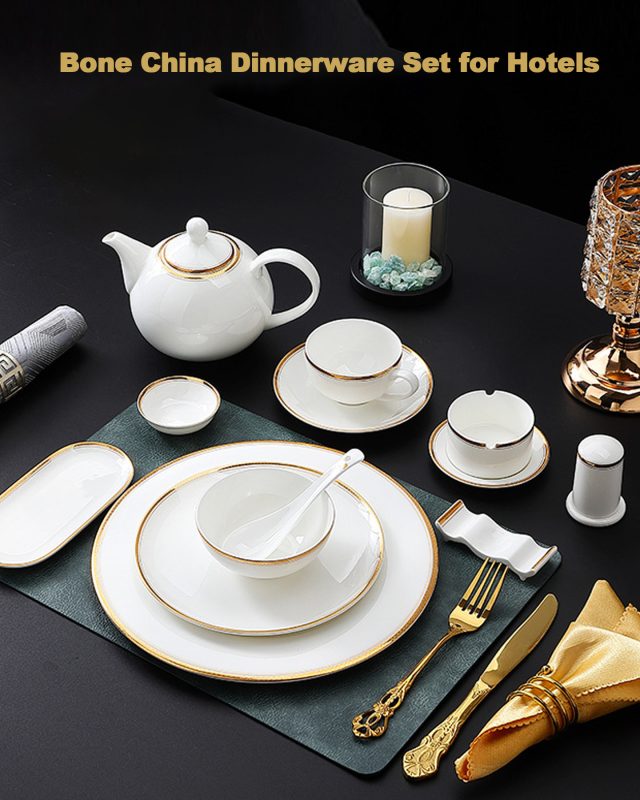
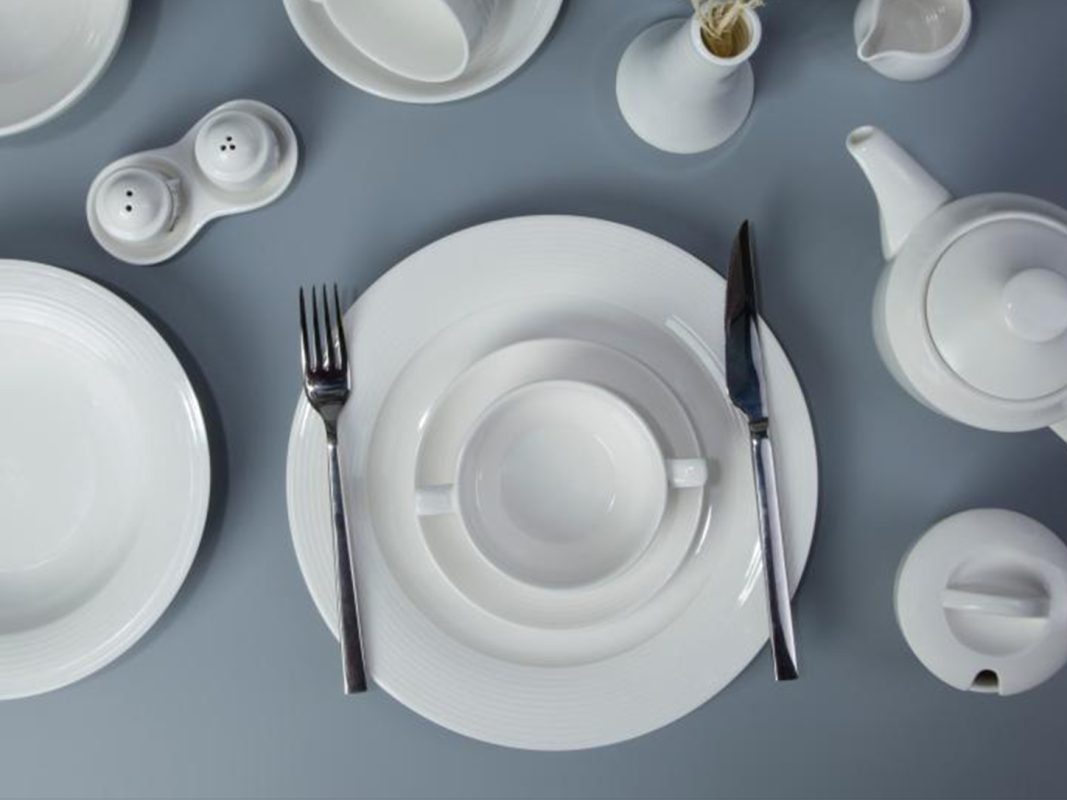
Porcelain remains the most widely used dinnerware material in hotels worldwide.
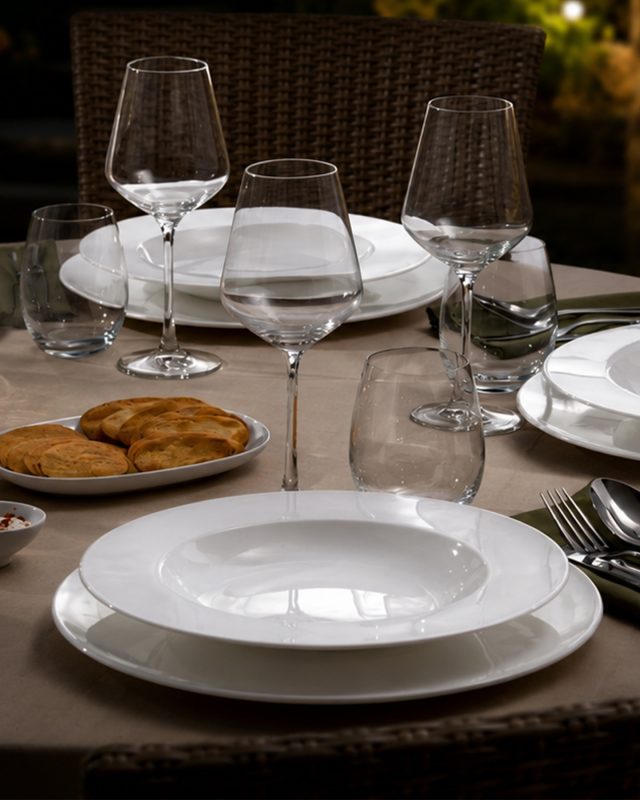
Its dense body, bright white color, and low water absorption make it ideal for professional food presentation and long-term commercial use.
Key Advantages
✓ Elegant and professional appearance
✓ Easy to clean and maintain
✓ Long service life
✓ Excellent food presentation
✓ Strong overall value for money
Best Applications
- Hotels
- Banquet Halls
- Business Dining Venues
- Resorts
- Hospitality Groups
Bone China Dinnerware: The Symbol of Luxury Dining
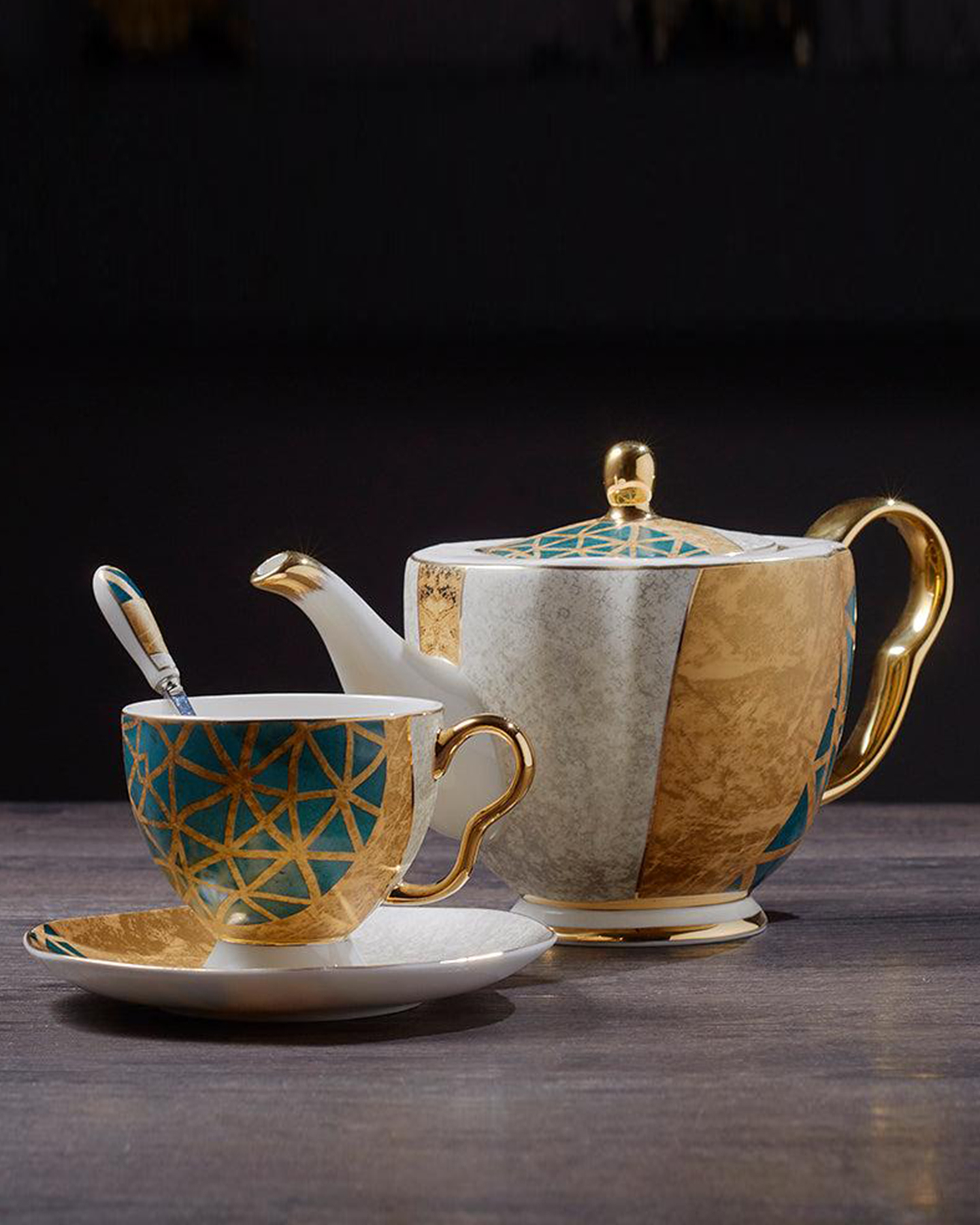
Bone china is widely recognized as the premium segment of ceramic dinnerware.
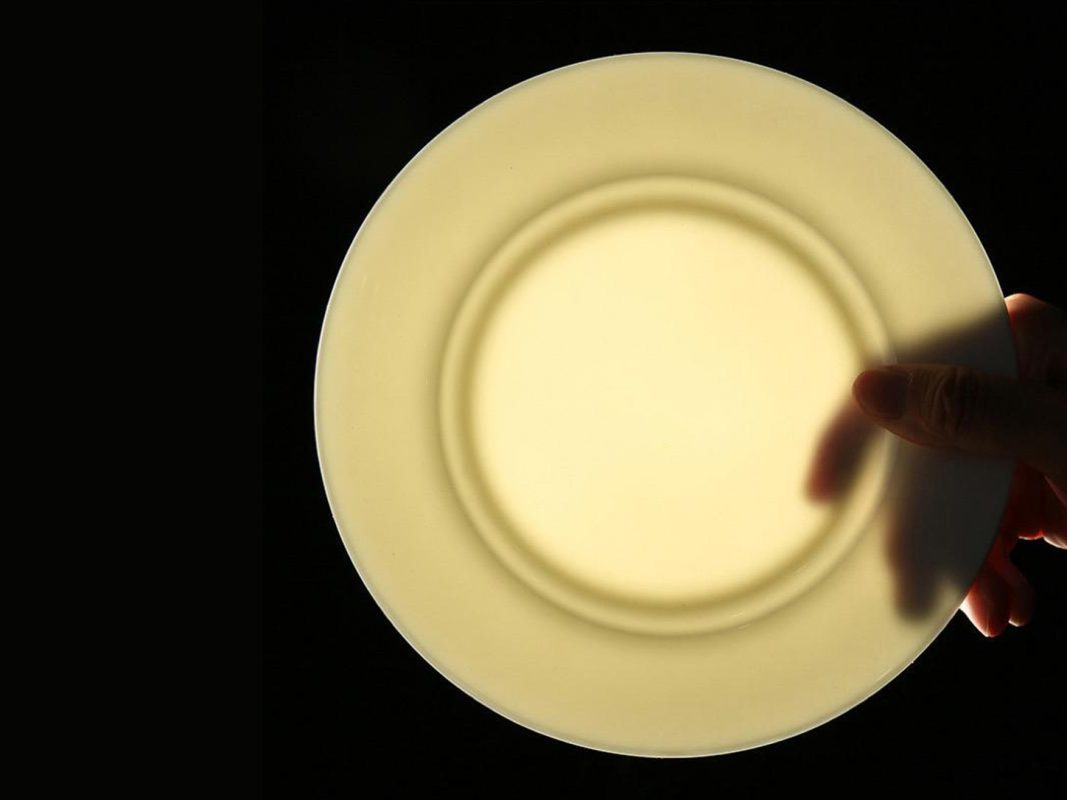
Because of the addition of animal bone powder, bone china has the three characteristics of light, strong and light transmission.
Its elegant ivory-white appearance and high-grade texture are widely used in high-end hotels and luxury catering scenes.
Key Advantages
✓ Lightweight yet strong
✓ Superior translucency
✓ Elegant ivory-white appearance
✓ Excellent heat retention
✓ Enhances premium brand positioning
Best Applications
- Five-Star Hotels
- Luxury Resorts
- VIP Dining Rooms
- Afternoon Tea Service
- Premium Gift Programs
Long-Term Cost Comparison: Price Isn’t Everything
Many buyers focus only on the initial purchase price.
However, experienced procurement teams evaluate the total lifecycle cost of dinnerware.
A product that costs less upfront but breaks more frequently may result in higher long-term expenses.
From a commercial perspective:
- Stoneware generally offers the lowest replacement cost.
- Porcelain provides the best overall return on investment.
- Bone china delivers the highest perceived value and brand prestige.
For most hotels and restaurants, porcelain remains the most balanced and cost-effective option over time.
How to Choose the Right Dinnerware for Your Business
Choose Stoneware If You:
- Want a modern or handcrafted look
- Prioritize durability
- Need to reduce replacement costs
- Operate a casual or lifestyle-focused concept
Choose Porcelain If You:
- Manage a hotel or banquet operation
- Need a professional presentation
- Prioritize operational efficiency
- Want the best all-around performance
Choose Bone China If You:
- Serve luxury customers
- Focus on premium guest experiences
- Operate high-end dining venues
- Want to strengthen brand prestige
Conclusion
There is no single “best” dinnerware material—only the best option for your business goals.
- Stoneware offers durability, character, and excellent value.
- Porcelain delivers the best balance of performance, appearance, and long-term cost efficiency.
- Bone China provides luxury, elegance, and premium customer appeal.
For importers, distributors, and hospitality suppliers, offering a combination of stoneware, porcelain, and bone china collections can help meet diverse market demands and create more business opportunities.
By understanding the strengths of each material, buyers can make smarter purchasing decisions that improve customer satisfaction and maximize long-term profitability.
Frequently Asked Questions (FAQ)
1. What type of dinnerware do hotels use most?
Porcelain is the most commonly used dinnerware material in hotels because it offers an excellent balance of durability, appearance, and cost efficiency.
2. Is stoneware more durable than porcelain?
Stoneware generally has better chip resistance and can handle heavy daily use. Porcelain, however, offers a more refined appearance and remains the preferred choice for professional hospitality settings.
3. Is bone china more fragile than porcelain?
Not necessarily. High-quality bone china is often stronger and more flexible than traditional porcelain due to its bone ash content. However, its thinner profile requires careful handling.
4. Which dinnerware material is best for restaurants?
For most restaurants, commercial-grade stoneware and porcelain are the most practical choices. The best option depends on the restaurant’s concept, customer expectations, and operating budget.
5. How can I evaluate dinnerware quality?
Look for consistent glazing, smooth surfaces, low water absorption, food-safe certifications, durability testing results, and overall craftsmanship.
6. What should importers consider when sourcing ceramic dinnerware from China?
Key factors include factory experience, food-contact safety certifications, customization capabilities, minimum order quantities (MOQ), production lead times, quality control systems, and export experience.
Looking for a Reliable Ceramic Dinnerware Manufacturer in China?
Whether you need:
✓ Hotel Porcelain Dinnerware
✓ Stoneware Restaurant Tableware
✓ Bone China Banquet Collections
✓ Custom Logo Dinnerware
✓ OEM & ODM Solutions
A qualified supplier should offer:
✓ Stable Production Capacity
✓ Food Safety Certifications
✓ Strict Quality Control
✓ Low MOQ Options
✓ International Export Experience
Contact us today to request a catalog, samples, or a customized quotation.