




Hotel Dinnerware Buying Guide: 10 Factors Every Purchasing Manager Should Consider

In the hospitality industry, dinnerware is much more than a collection of plates and bowls. It directly influences guest experience, food presentation, operational efficiency, replacement costs, and even a hotel’s brand image.
Yet many hotels still make purchasing decisions based primarily on price, only to face higher breakage rates, inconsistent replenishment, and increased long-term costs.
Whether you’re sourcing dinnerware for a new hotel project, renovating an existing property, or managing procurement for a hospitality group, this guide highlights the 10 key factors every hotel purchasing manager should consider before placing an order.
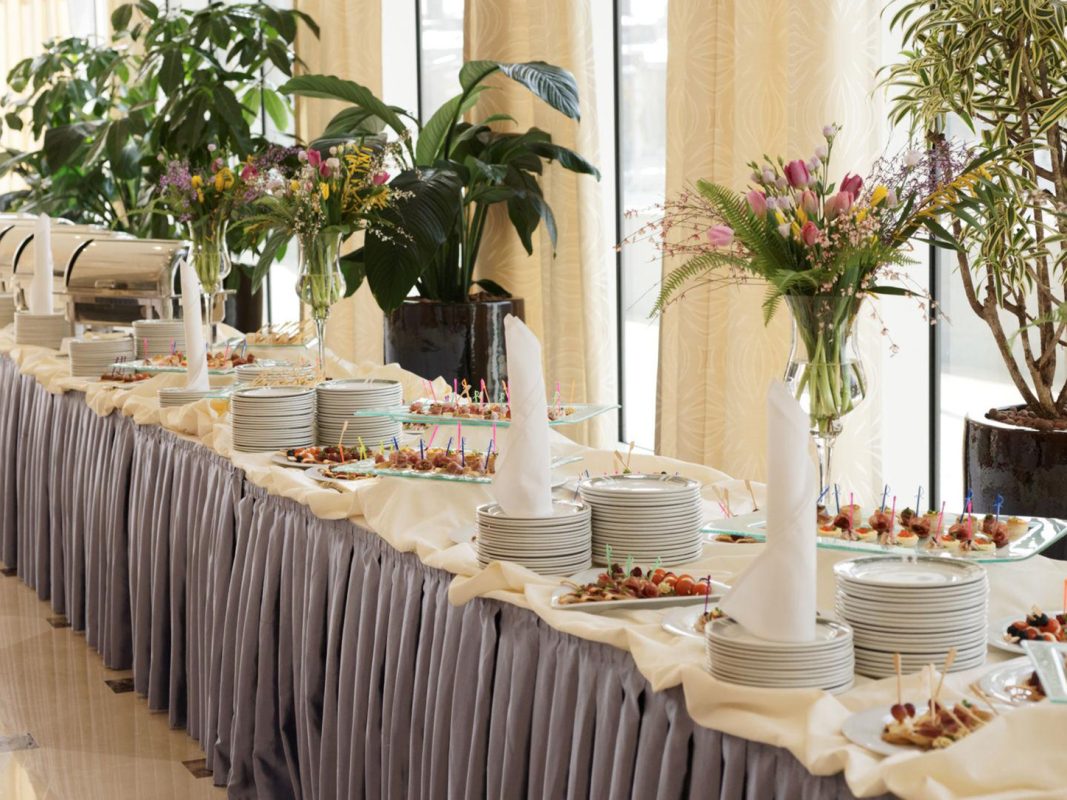
1. Match Dinnerware to Your Hotel Positioning
The first question is not “What material should I buy?” but rather:
“What experience am I trying to create for my guests?”
Different hotel segments require different tableware styles.
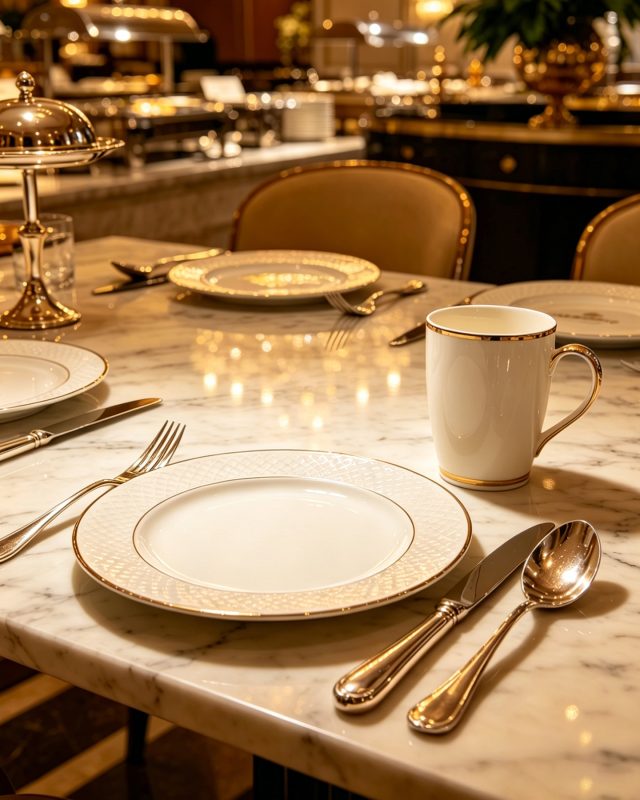
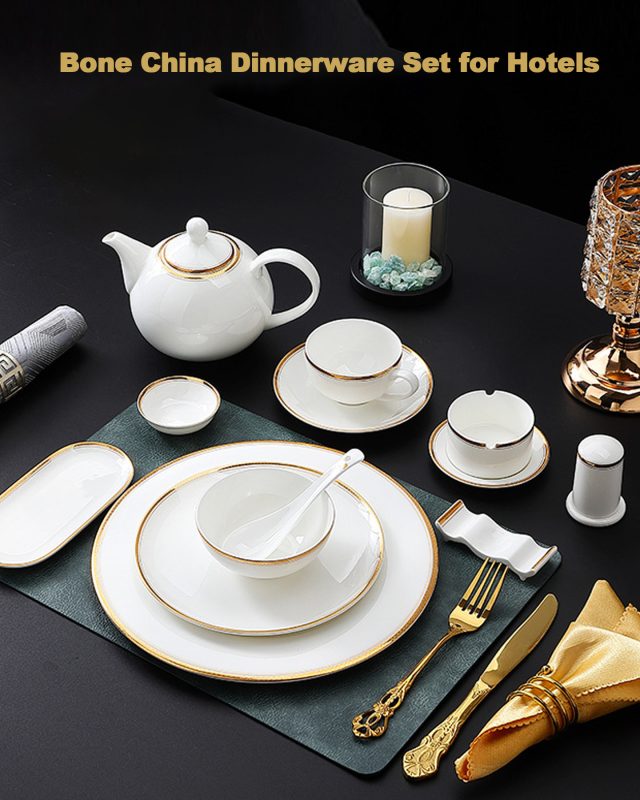
- Luxury hotels often choose Bone China for elegance and premium presentation.
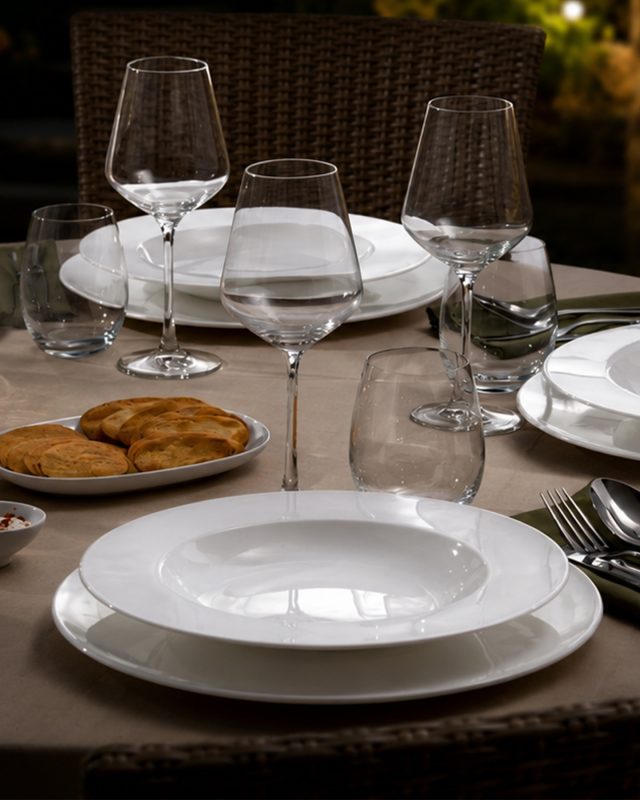
- Upscale hotels typically prefer Porcelain for its balance of sophistication and durability.
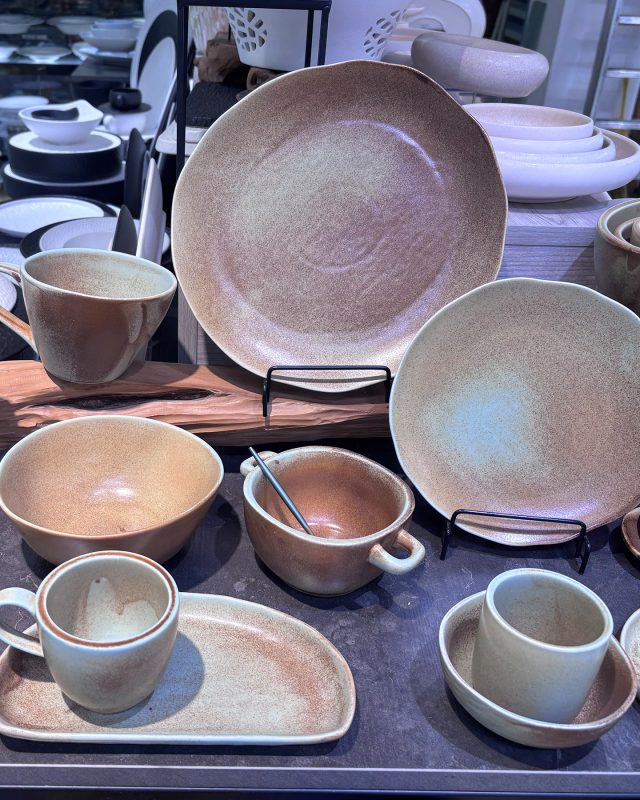
- Boutique hotels may favor Stoneware for its handcrafted and contemporary aesthetic.
Your dinnerware should reinforce your hotel’s brand identity and dining concept.
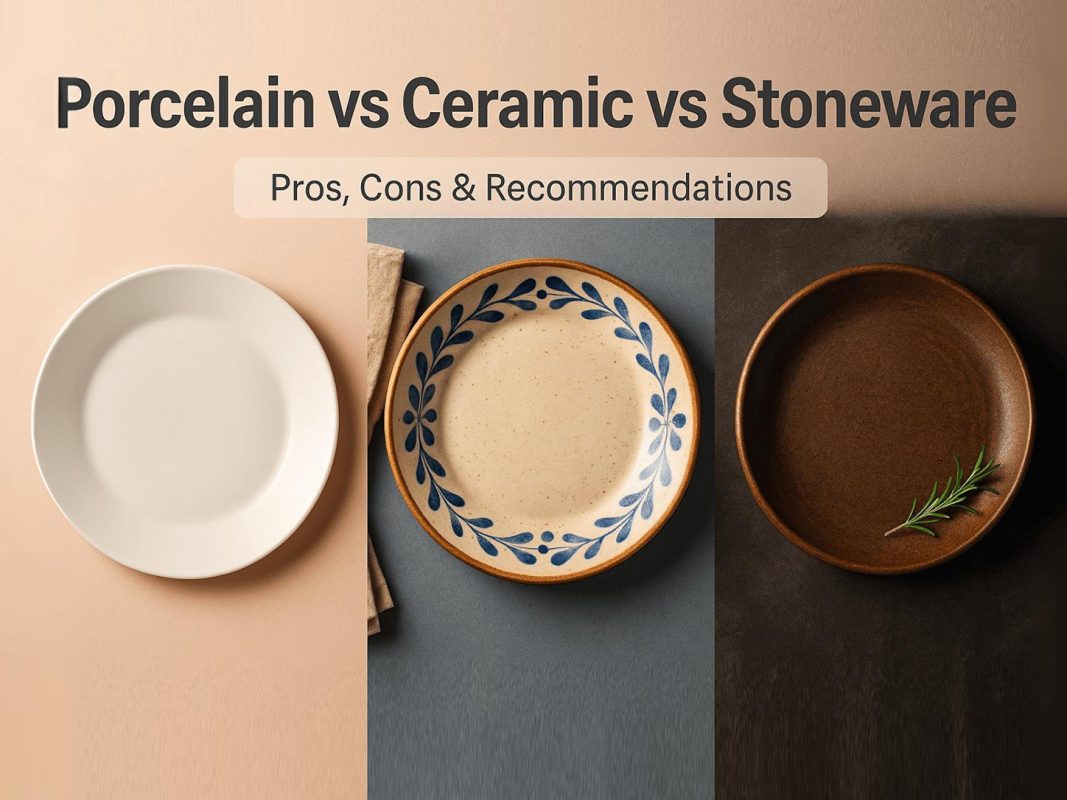
2. Evaluate Durability, Not Just Appearance
Beautiful dinnerware loses its value if it chips or breaks after a few months of service.
Commercial dinnerware should withstand:
✓ Daily handling
✓ Commercial dishwashers
✓ High-volume food service
✓ Frequent stacking and transportation
Hotels should prioritize chip resistance and structural strength, especially in buffet, banquet, and all-day dining environments.
3. Consider Total Cost of Ownership (TCO)
Experienced procurement teams focus on lifecycle cost rather than unit price.
A cheaper plate that breaks twice as often may ultimately cost far more than a premium alternative.
Example: 3-Year Ownership Cost Comparison
| Material | Initial Cost | Replacement Cost | Total Cost |
| Stoneware | Low | Low | Moderate |
| Porcelain | Medium | Low | Best ROI |
| Bone China | High | Medium | Premium Value |
For most hotels, porcelain often delivers the best balance between durability, presentation, and long-term return on investment.

4. Prioritize Food Safety Certifications
Food safety compliance is essential for any hospitality operation.
Ask suppliers to provide:
✓ FDA Compliance
✓ LFGB Certification
✓ Lead & Cadmium Test Reports
✓ Dishwasher Safety Testing
✓ Microwave Safety Testing
These certifications help reduce legal risks and protect your hotel’s reputation.
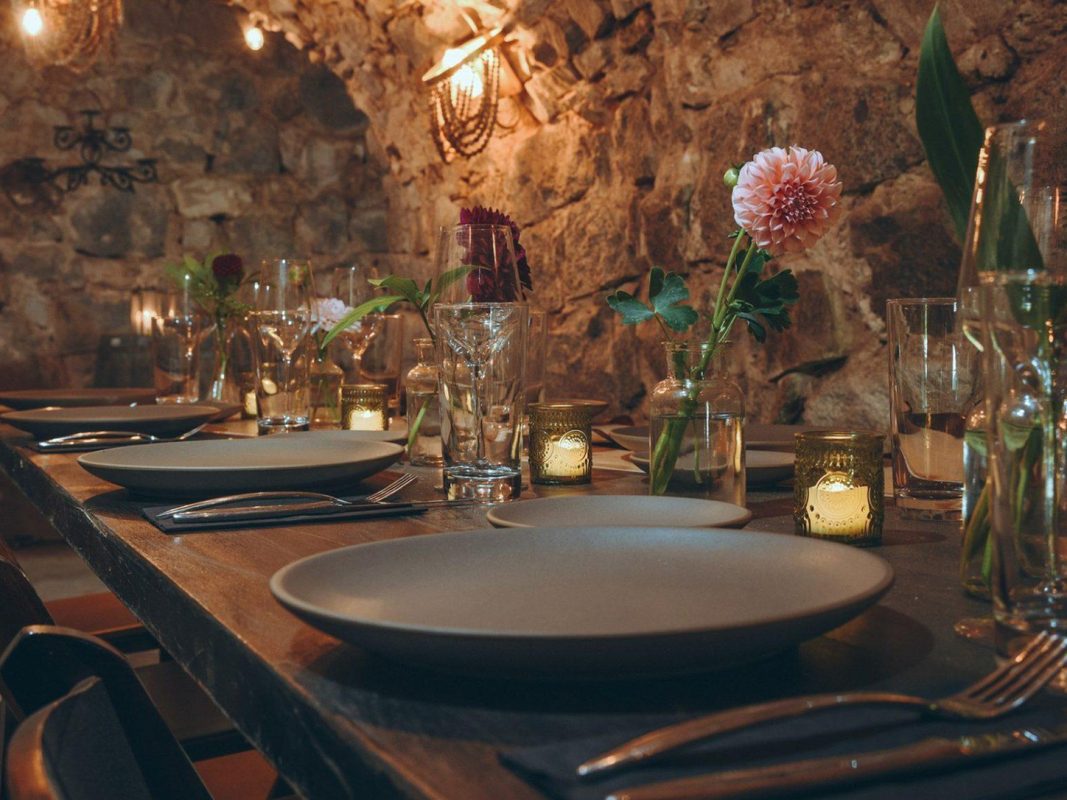
5. Ensure Long-Term Supply Consistency
One of the most common procurement mistakes is focusing only on the first order.
Twelve months later, many hotels discover:
- Color differences
- Glaze inconsistencies
- Size variations
- Discontinued collections
Choose a supplier capable of maintaining consistent production standards and long-term availability.
This is especially important for hotel chains and large hospitality groups.
6. Think About Logistics and Storage Costs
Dinnerware weight directly affects transportation expenses.
For example:
- Stoneware is typically heavier.
- Porcelain offers a balanced weight-to-strength ratio.
- Bone China is lightweight but more expensive.
When sourcing internationally, evaluate:
- Ocean freight costs
- Warehouse requirements
- Packaging efficiency
- Handling expenses
Sometimes a slightly higher product price can result in lower overall logistics costs.
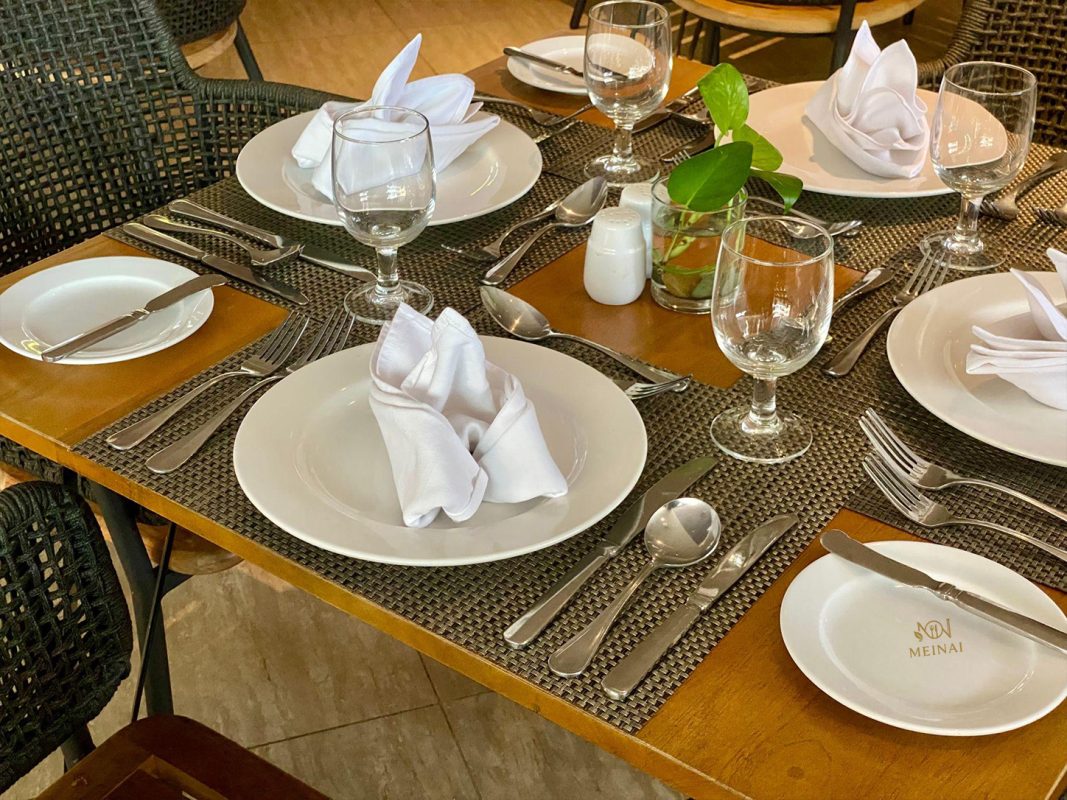
7. Assess Dishwasher Performance
Commercial dishwashers operate at high temperatures and intensive cleaning cycles.
Before purchasing, verify:
- Glaze durability
- Scratch resistance
- Color retention
- Edge strength
Quality hotel dinnerware should maintain its appearance after thousands of washing cycles.
8. Choose the Right Material
Stoneware
Best for:
- Boutique hotels
- Lifestyle properties
- Casual dining outlets
Advantages:
- Excellent chip resistance
- Modern appearance
- Cost-effective
Porcelain
Best for:
- Four-star and five-star hotels
- Banquets
- All-day dining restaurants
Advantages:
- Professional presentation
- Low water absorption
- Excellent ROI
- Bone China
- Best for:
- Luxury hotels
- VIP dining
- Afternoon tea service
- Advantages:
- Lightweight
- Elegant translucency
- Premium guest perception
9. Evaluate Customization Options
Customized dinnerware can strengthen brand recognition.
Consider suppliers that offer:
✓ Custom logos
✓ Exclusive shapes
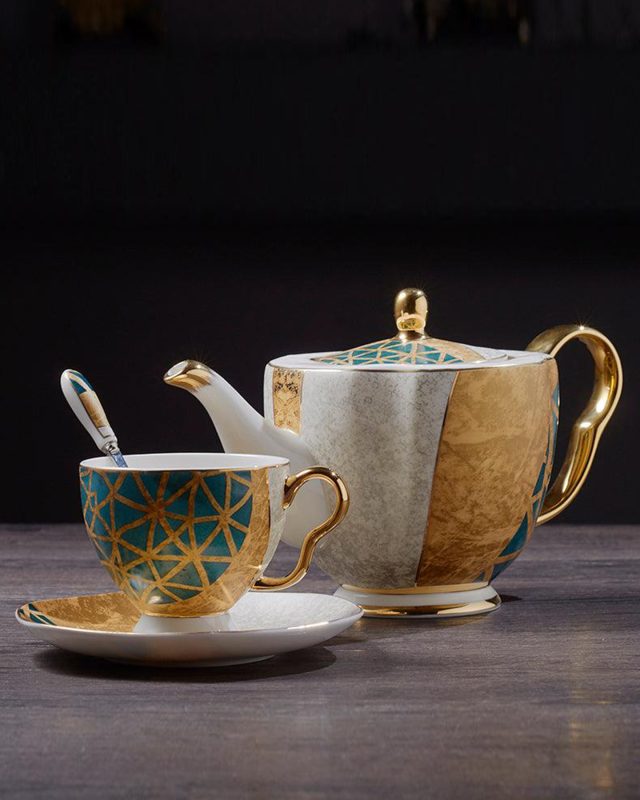
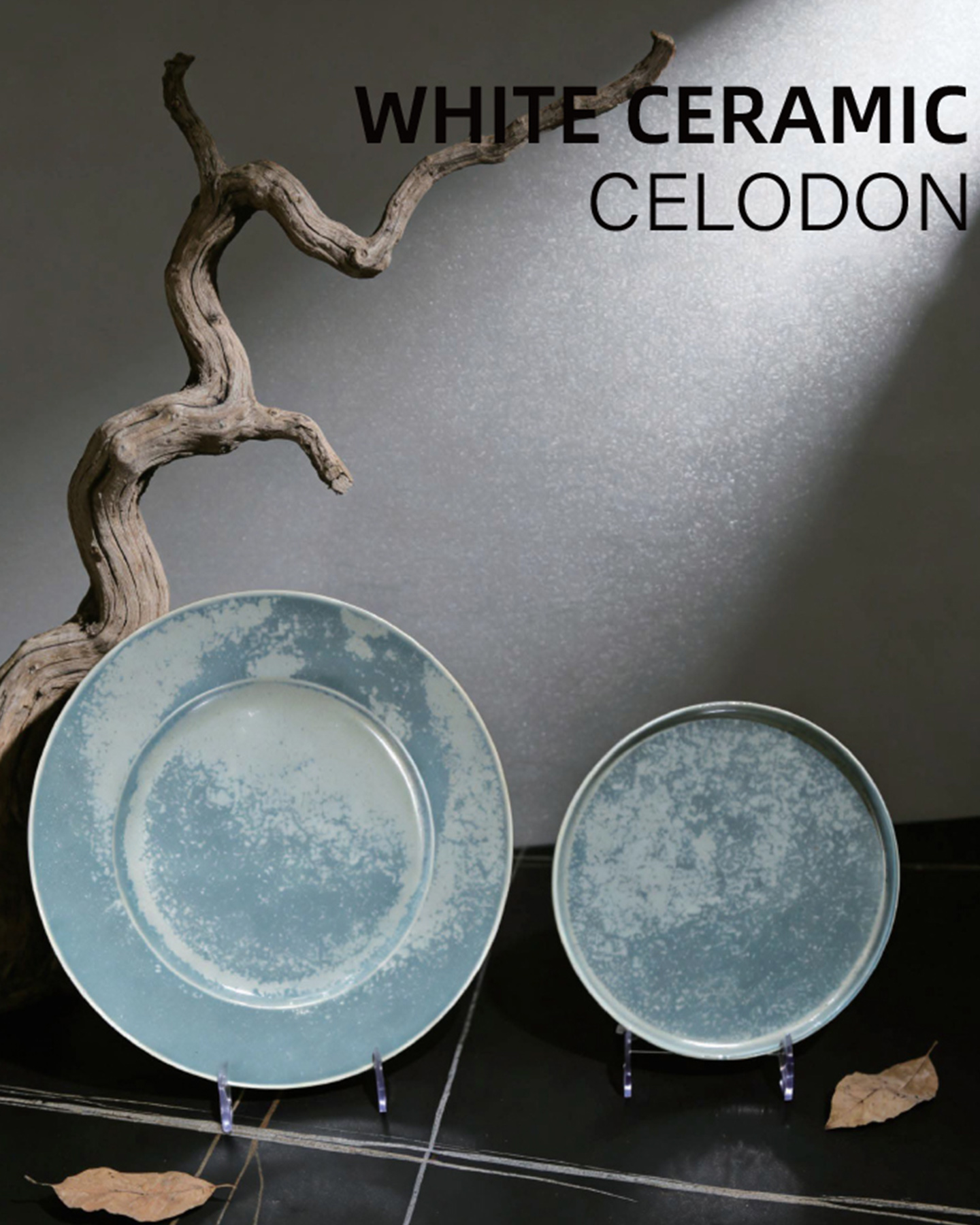
✓ Reactive glaze finishes
✓ Custom packaging
✓ Private label solutions
Branded tableware creates a more memorable guest experience and differentiates your property from competitors.
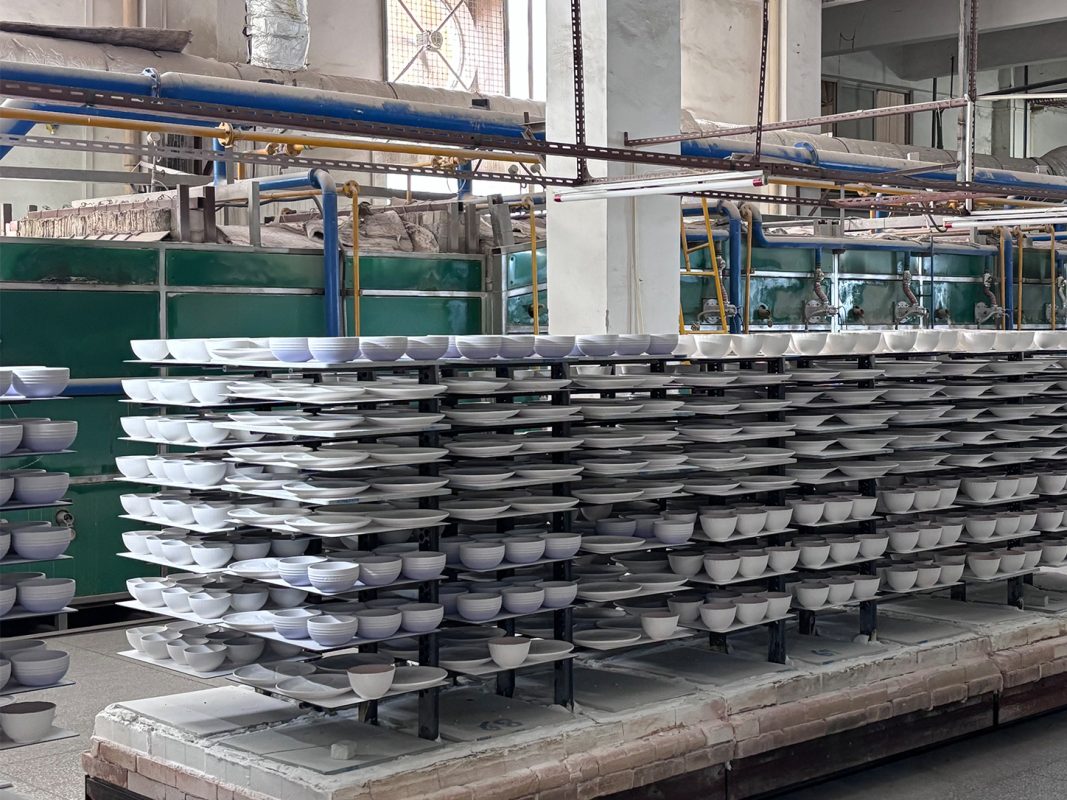
10. Choose the Right Manufacturing Partner
The quality of your supplier is often more important than the product itself.
When evaluating a manufacturer, consider:
✓ Production capacity
✓ Export experience
✓ Quality control systems
✓ OEM & ODM capabilities
✓ Lead times
✓ Communication efficiency
A reliable supplier becomes a long-term partner rather than simply a vendor.
Final Thoughts
The best hotel dinnerware is not necessarily the cheapest or the most luxurious—it is the option that aligns with your hotel’s operational needs, guest expectations, and long-term business goals.
Before making a purchasing decision, evaluate durability, food safety, lifecycle costs, supply consistency, and supplier reliability.
By focusing on these ten factors, hotel purchasing managers can reduce replacement costs, improve guest satisfaction, and maximize the value of their dinnerware investment.
Frequently Asked Questions
What is the most commonly used dinnerware in hotels?
Porcelain remains the most widely used material because it offers the best balance of durability, appearance, and cost efficiency.
Is Bone China suitable for commercial hotels?
Yes. Bone China is commonly used in luxury hotels, VIP dining rooms, and premium afternoon tea service.
How often should hotels replace dinnerware?
This depends on usage intensity, but most commercial-grade dinnerware is designed to last several years when properly maintained.
What certifications should hotel dinnerware have?
FDA, LFGB, Lead & Cadmium testing, microwave-safe, and dishwasher-safe certifications are highly recommended.
What is the biggest mistake hotels make when buying dinnerware?
Focusing solely on purchase price instead of evaluating long-term durability, replacement costs, and supplier reliability.
Looking for a Reliable Ceramic Dinnerware Manufacturer in China?
Whether you need:
✓ Hotel Porcelain Dinnerware
✓ Stoneware Restaurant Tableware
✓ Bone China Banquet Collections
✓ Custom Logo Dinnerware
✓ OEM & ODM Solutions
A qualified supplier should offer:
✓ Stable Production Capacity
✓ Food Safety Certifications
✓ Strict Quality Control
✓ Low MOQ Options
✓ International Export Experience
Contact us today to request a catalog, samples, or a customized quotation.