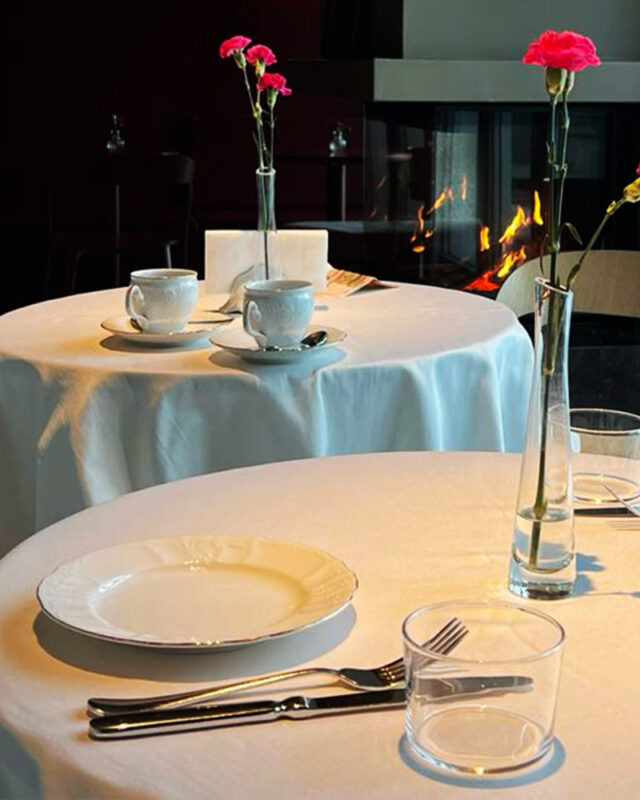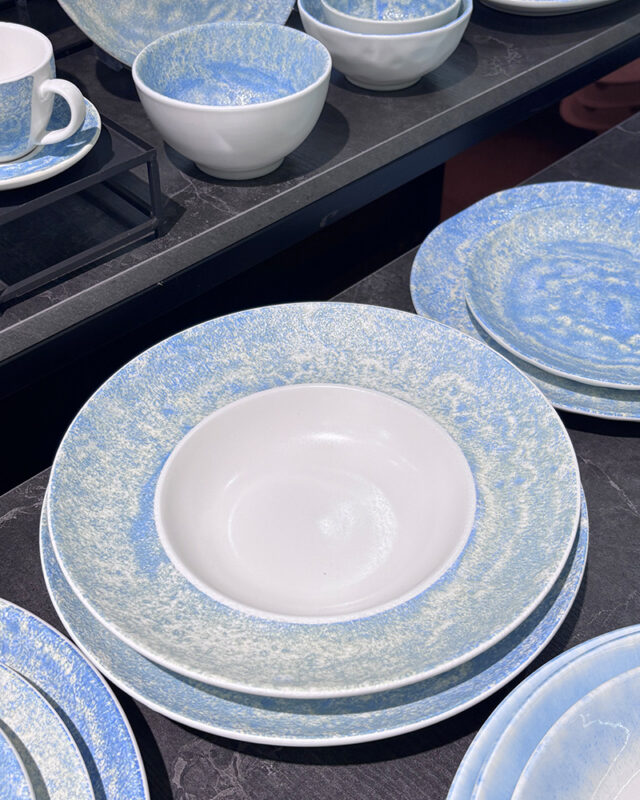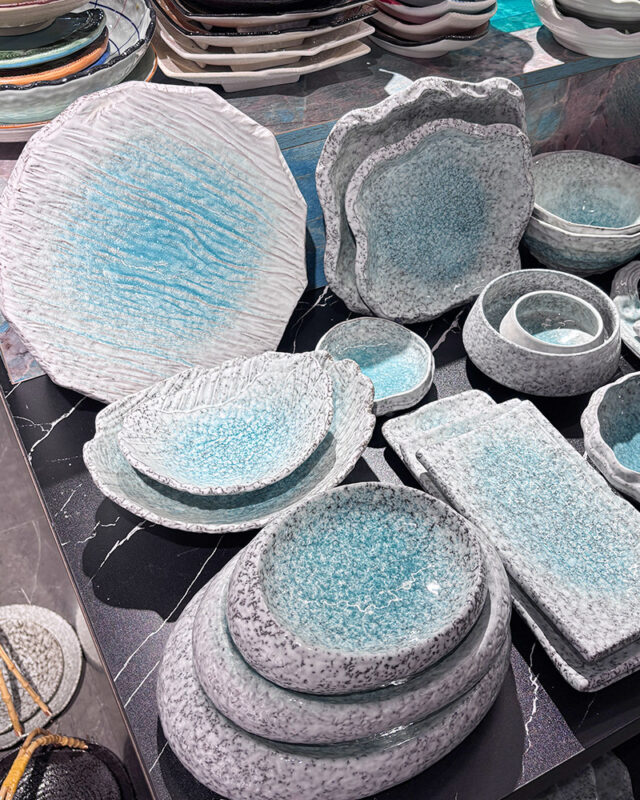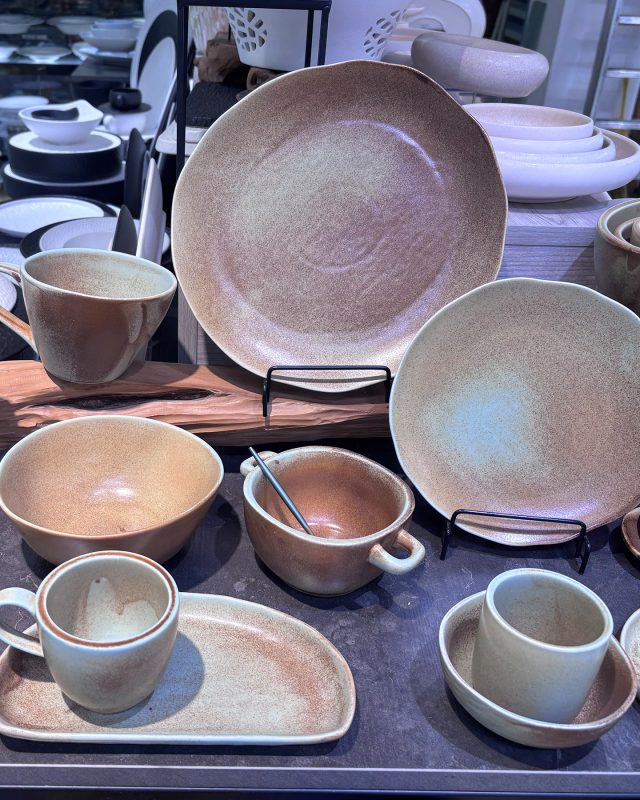





How Much Does Commercial Dinnerware Cost? Buyer’s Guide

If you are opening a restaurant, hotel, café, or catering business, dinnerware is one of those costs that can look simple at first.
You check the price of a plate, multiply it by the quantity you need, and you have your budget. In reality, commercial dinnerware costs more than the unit price shown on a supplier’s quotation.
A restaurant may need several types of plates and bowls, replacement stock, custom colors, special packaging, and sometimes logo decoration. Shipping can also make a noticeable difference, especially when buying from overseas.
So, how much should you actually expect to pay?
The short answer is: there is no single commercial dinnerware price. A basic white ceramic plate may cost well under $1 per piece in large-volume orders, while premium porcelain, reactive glaze, custom designs, or hotel-grade products can cost several dollars per piece.
Here are the main factors that determine the final cost.
1. Material Makes a Big Difference
The first thing to look at is the material.
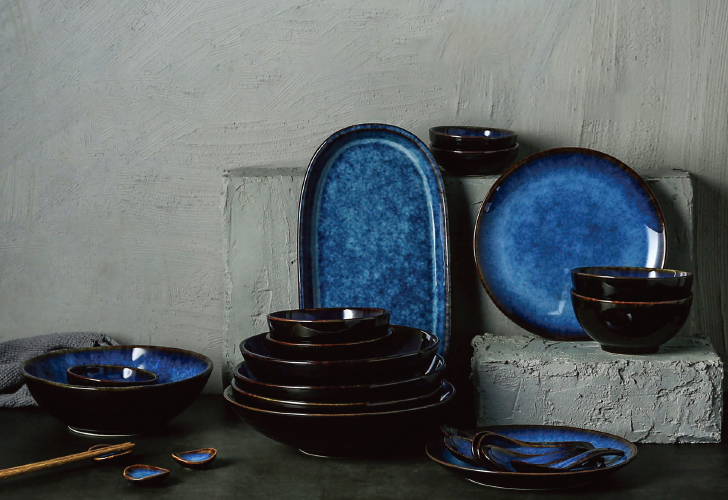
Commercial dinnerware is commonly made from stoneware, porcelain, bone china, and other ceramic materials. Each has a different production cost and is suited to different types of businesses.
Stoneware is popular with restaurants and cafés because it has a more natural appearance and usually offers a good balance between price and durability.
Porcelain has a cleaner, more refined appearance and is widely used by hotels, restaurants, and catering businesses. Depending on the quality and specifications, porcelain can cost more than standard stoneware.
Bone china is generally positioned at the higher end and is often selected for upscale hotels, fine dining, and premium hospitality projects.
For example, if you are furnishing a casual restaurant, paying extra for premium bone china may not make much sense. If you are supplying a five-star hotel, however, appearance and table presentation may justify the additional cost.
2. Product Type Affects the Price
Not every piece of dinnerware costs the same.
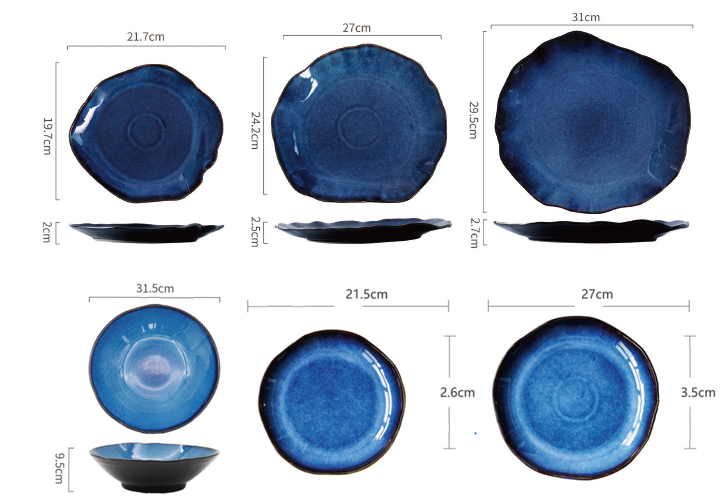
A simple 10-inch dinner plate is relatively straightforward to produce. A deep pasta bowl, large serving platter, handled cup, or specially shaped piece may require more material, more complicated molds, or additional production steps.
A typical restaurant order might include:
- Dinner plates
- Side plates
- Soup bowls
- Pasta bowls
- Salad bowls
- Cups and saucers
- Serving platters
It is better to calculate the budget for the complete collection, rather than looking at the price of one plate.
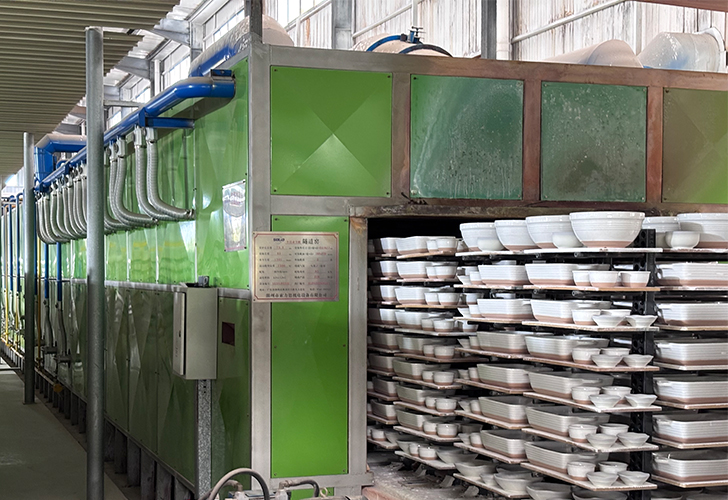
3. Decoration and Customization Add Cost
Plain white dinnerware is usually the easiest option to manufacture.
Once you add customization, the quotation can change.
Common options include:
- Custom colors
- Reactive glaze
- Embossed designs
- Printed logos
- Custom shapes
- Custom packaging
- Private-label branding
For example, adding a restaurant logo may require artwork preparation, printing, additional firing, and inspection.
Custom color can also involve minimum order quantities because the factory needs to prepare a specific glaze color for your project.
This does not mean customization is always expensive. For a large order, the additional cost per piece can be relatively small. The important thing is to ask for a complete quotation rather than assuming the customization cost from the beginning.
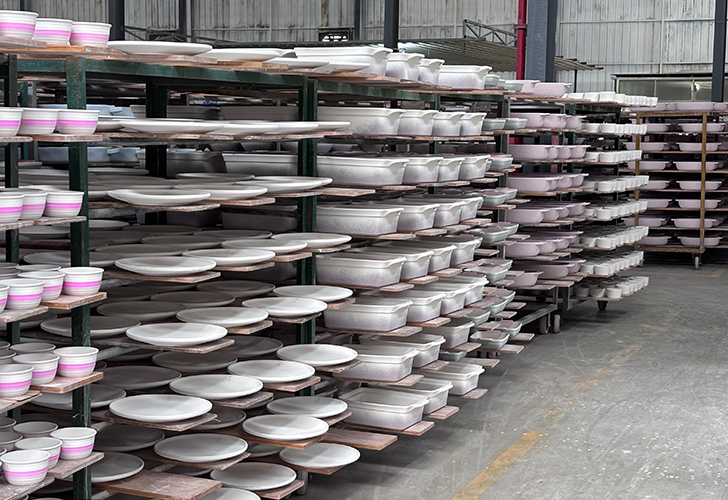
4. MOQ Can Change Your Unit Price
Commercial dinnerware suppliers usually work with minimum order quantities, or MOQ.
If you order 300 pieces, the factory has less room to spread mold preparation, setup, production, and packaging costs across the order.
If you order several thousand pieces, the unit cost can often be more competitive.
However, the cheapest price is not always the best deal.
If you order too much just to get a lower unit price, you may end up with excess inventory sitting in your warehouse for months.
For a new restaurant, it can be more practical to calculate the actual number of pieces needed, including a reasonable replacement buffer, before negotiating the final quantity.
5. Packaging and Shipping Are Part of the Real Cost
This is where overseas buyers sometimes underestimate their budget.
A supplier may quote:
$1.20 per plate
But that does not necessarily mean your final landed cost is $1.20.
You may also need to consider:
- Export packaging
- Cartons
- Pallets
- Inland transportation
- Ocean or air freight
- Insurance
- Customs duties
- Local delivery
Ceramic dinnerware is also relatively heavy and fragile. Good export packaging is important, even if it adds a little to the initial cost.
For large orders, it is worth comparing the FOB price and estimated landed cost, rather than comparing product prices alone.
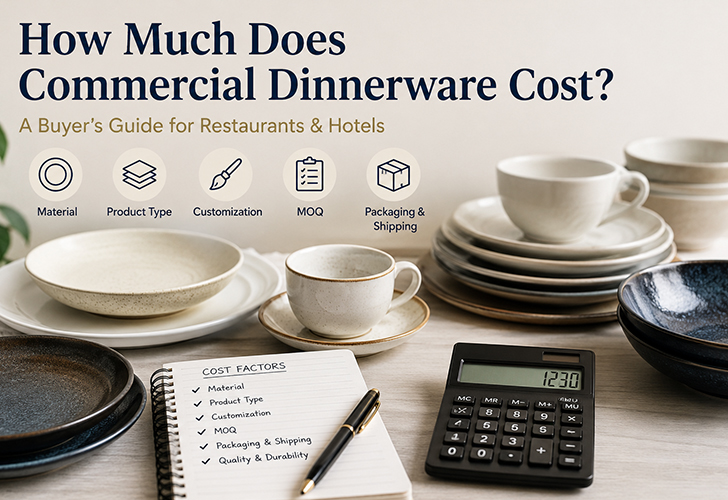
6. Commercial Dinnerware Is Not Always the Same as Household Dinnerware
A restaurant uses dinnerware differently from a household.
A plate may be washed hundreds of times, stacked repeatedly, moved between the kitchen and dining area, and exposed to busy commercial operations.
Hotels and restaurants therefore often look for:
- Good durability
- Consistent sizing
- Stable glaze quality
- Stackability
- Dishwasher suitability
- Reliable replacement supply
A slightly cheaper plate may not actually save money if breakage is high or the supplier cannot reproduce the same design six months later.
For commercial buyers, cost per use can be more useful than simply looking at cost per piece.
7. A Simple Example
Let’s say a 100-seat restaurant needs the following initial order:
| Product | Quantity | Example Unit Price |
|---|---|---|
| Dinner Plates | 180 | $1.20 |
| Side Plates | 140 | $0.85 |
| Soup Bowls | 120 | $1.10 |
| Pasta Bowls | 120 | $1.30 |
| Cups | 140 | $0.90 |
| Saucers | 140 | $0.65 |
The product subtotal would be around $930 before shipping, taxes, duties, and other costs.
These numbers are only an example. Actual prices can vary significantly depending on material, size, design, quantity, customization, packaging, and supplier.
The important point is that a restaurant should budget based on the whole dinnerware program, not just the price of a dinner plate.
8. How to Get a More Accurate Commercial Dinnerware Quote
When contacting a supplier, provide as much information as possible.
At minimum, include:
Product: plates, bowls, cups, etc.
Material: stoneware, porcelain, bone china, etc.
Size: for example, 10-inch dinner plate
Quantity: estimated order volume
Color: standard white or custom color
Decoration: logo, pattern, or plain
Packaging: standard export packaging or custom packaging
Destination: country and port
The more specific your request is, the easier it is for the supplier to give you a realistic quotation.
At Meinai Tableware, we work with restaurants, hotels, wholesalers, and importers on ceramic dinnerware projects, including standard collections and OEM/ODM orders. If you already have a product list or project quantity, sending the details is usually the quickest way to get an accurate quote.
Final Thoughts
Commercial dinnerware does not have one fixed price.
The final cost depends on material, product design, quantity, customization, packaging, shipping, and quality requirements.
If you are comparing suppliers, don’t simply choose the lowest unit price. Look at the complete cost and ask whether the products can deliver the durability, consistency, and supply reliability your business needs.
For a restaurant or hotel, dinnerware is used every day. A good purchasing decision should balance price, performance, appearance, and long-term supply.
FAQ
Is commercial dinnerware expensive?
Not necessarily. Basic commercial ceramic dinnerware can be quite affordable when purchased in bulk. Premium materials, custom designs, and special finishes will increase the price.
What is the cheapest material for restaurant dinnerware?
It depends on the product and specification, but standard ceramic and stoneware collections are often cost-effective choices for restaurants.
Does buying more dinnerware reduce the price?
Usually, larger orders can offer better unit pricing, although the exact MOQ and price structure depend on the supplier.
Is custom dinnerware more expensive?
Usually yes, especially for small quantities. However, the additional cost per piece can become more manageable for larger OEM orders.
What should I include when requesting a quotation?
Send the supplier your product list, material, sizes, quantities, colors, customization requirements, packaging needs, and delivery destination. This will help you receive a much more accurate quotation.