



OEM Ceramic Dinnerware Manufacturer Buying Guide: How to Choose the Right Supplier in China

A Complete Sourcing Guide for Hotels, Restaurants, Importers & Private Label Brands
Choosing the Right OEM Manufacturer Matters
Selecting the right OEM ceramic dinnerware manufacturer is not simply about finding the lowest price. For hotels, restaurants, wholesalers, and private-label brands, the right supplier directly affects product quality, delivery reliability, customer experience, and long-term business growth.
A reliable OEM partner can help you develop exclusive dinnerware collections, maintain consistent quality, reduce sourcing risks, and build a stronger brand identity.
However, many buyers face important questions before placing an order:
- What customization options are worth investing in?
- How much does OEM dinnerware production cost?
- What MOQ should I expect?
- How can I control quality before shipment?
- What should I check before choosing a supplier?
This guide explains the key factors buyers should evaluate before working with an OEM ceramic dinnerware manufacturer in China.
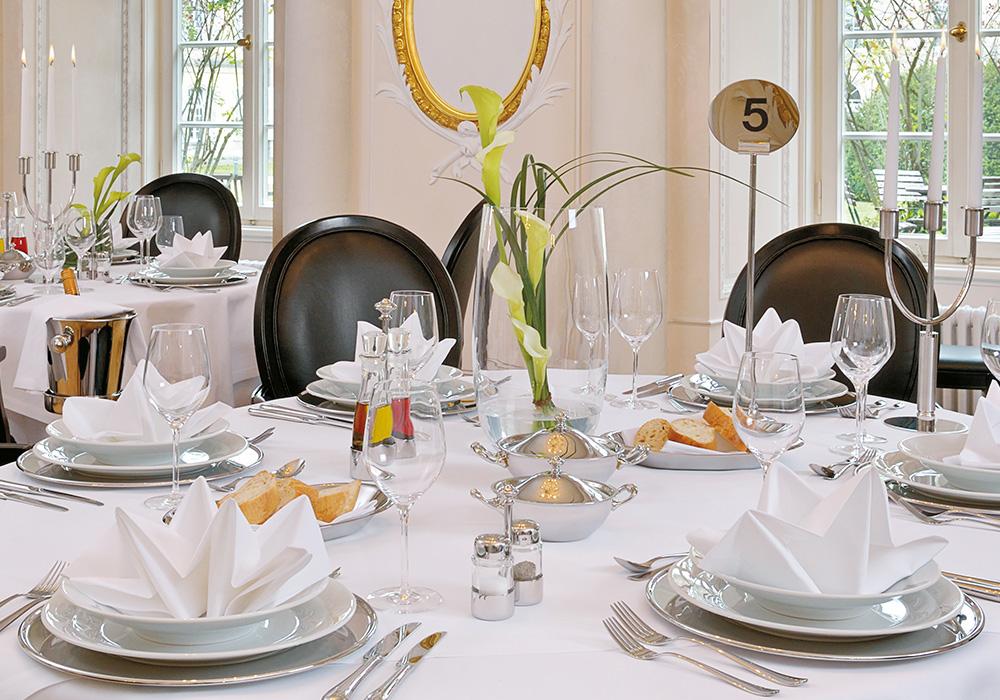
1. Is OEM Ceramic Dinnerware the Right Choice for Your Business?
Before searching for suppliers, buyers should first decide whether OEM production matches their business goals.
OEM is Recommended For:
| Buyer Type | Recommended Solution |
|---|---|
| Hotel Groups | OEM Dinnerware |
| Restaurant Chains | OEM Dinnerware |
| Private Label Brands | OEM Dinnerware |
| Wholesale Distributors | OEM / ODM |
| Retailers Testing Markets | Wholesale Products |
When Should You Choose OEM?
OEM manufacturing is ideal when you need:
- Exclusive product designs
- Brand logo customization
- Unique colors or glaze effects
- Custom packaging
- Long-term supply cooperation
For businesses that only need standard products with small quantities, ready-made wholesale products may be more suitable.
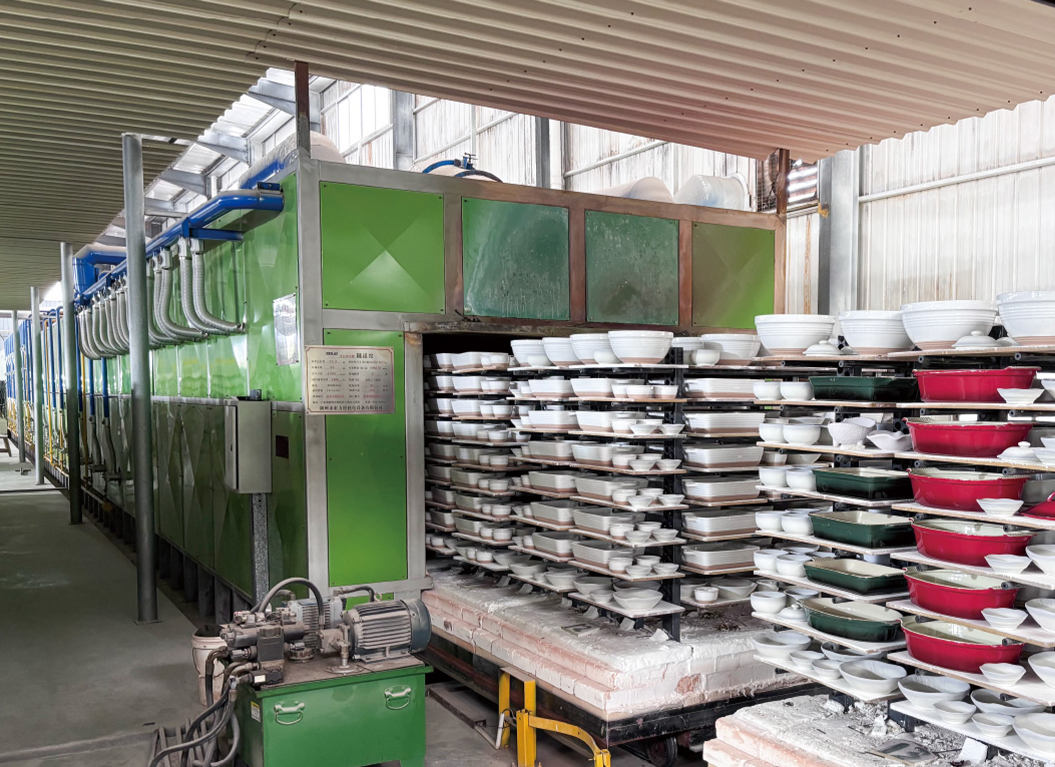
2. What Can You Customize with an OEM Ceramic Dinnerware Manufacturer?
A professional OEM factory should provide complete customization support from design to finished products.
Product Shape Customization
Manufacturers can develop:
- Dinner plates
- Salad plates
- Soup bowls
- Pasta bowls
- Dessert plates
- Coffee cups
- Serving platters
- Hotel buffet ware
For unique collections, factories can create new molds based on:
- Product drawings
- Physical samples
- Brand concepts
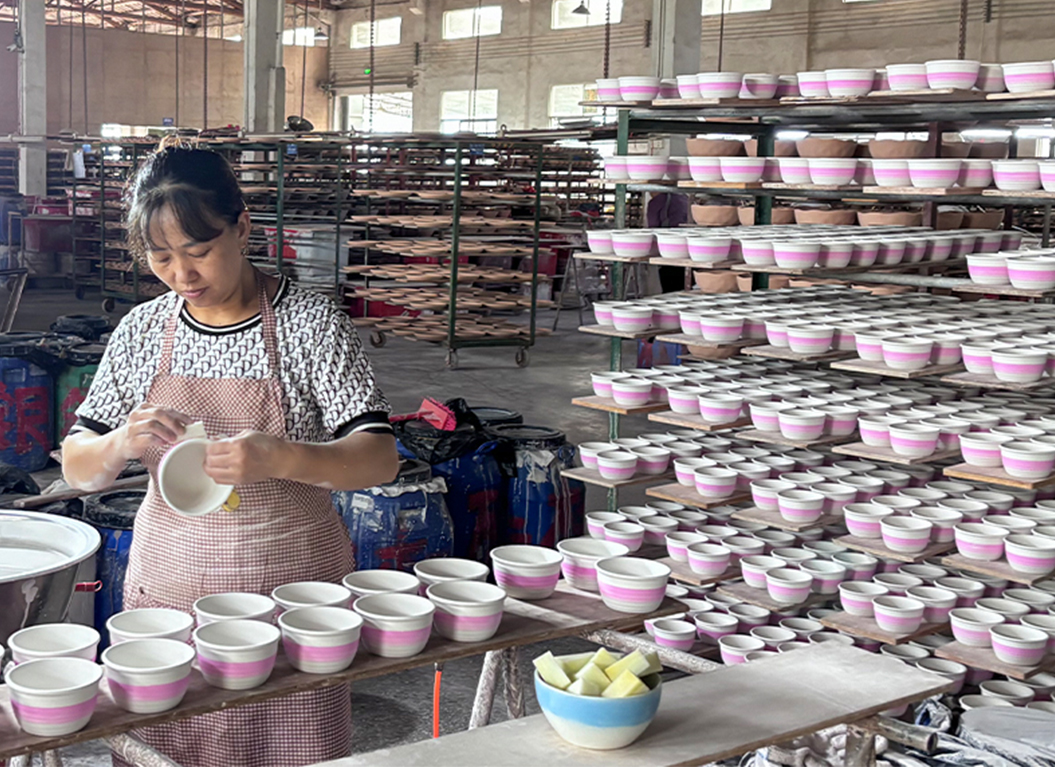
Logo and Brand Customization
Common decoration methods include:
Decal Logo Printing
Suitable for:
- Restaurant brands
- Hotel logos
- Retail collections
Advantages:
- Flexible design options
- Suitable for colorful logos
Underglaze Logo
Advantages:
- High durability
- Suitable for frequent commercial washing
Embossed Logo
Creates:
- Premium appearance
- Strong brand recognition
Laser Decoration
Suitable for:
- Modern minimalist designs
- Premium collections
Color and Glaze Development
Professional manufacturers can create:
- Pantone color matching
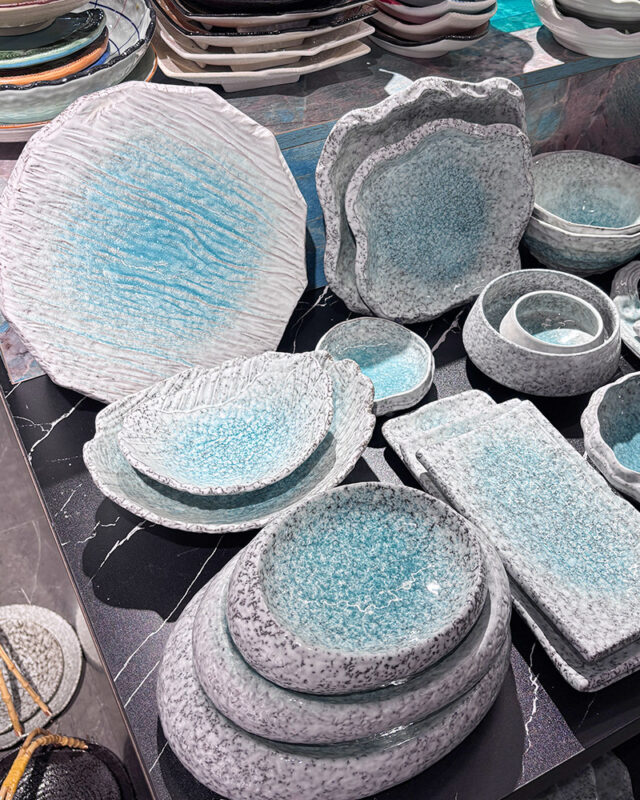
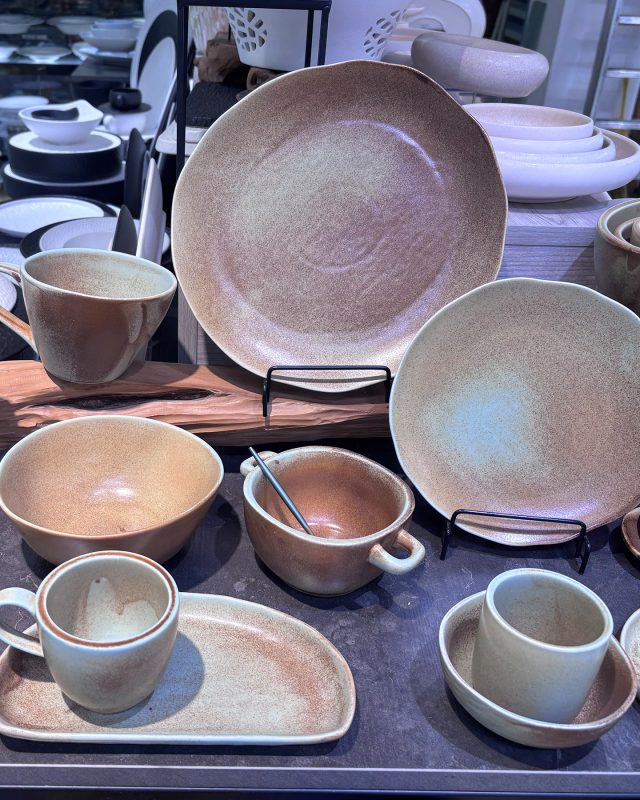
- Reactive glaze
- Matte finishes
- Glossy finishes
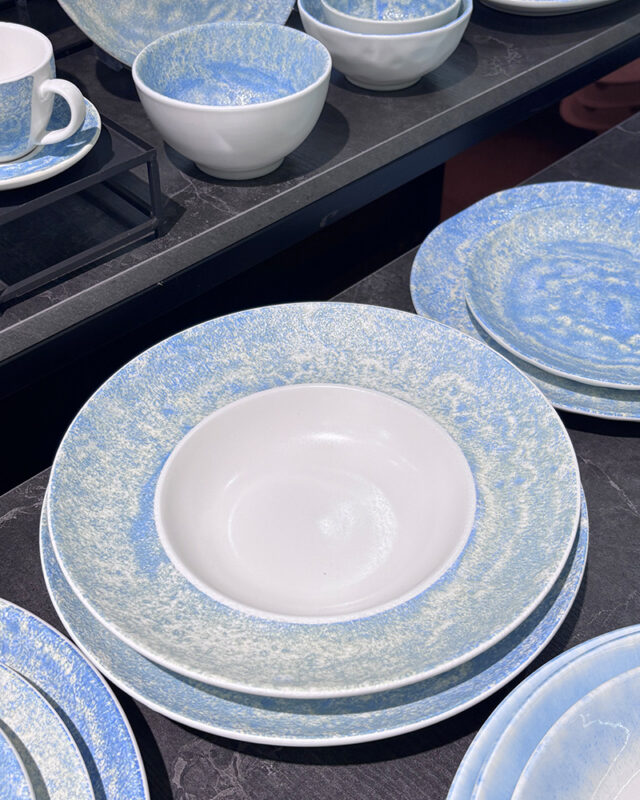
- Speckled glaze
- Handmade effects
For hotel chains and restaurant groups, stable color consistency is critical because products must look identical across different locations.
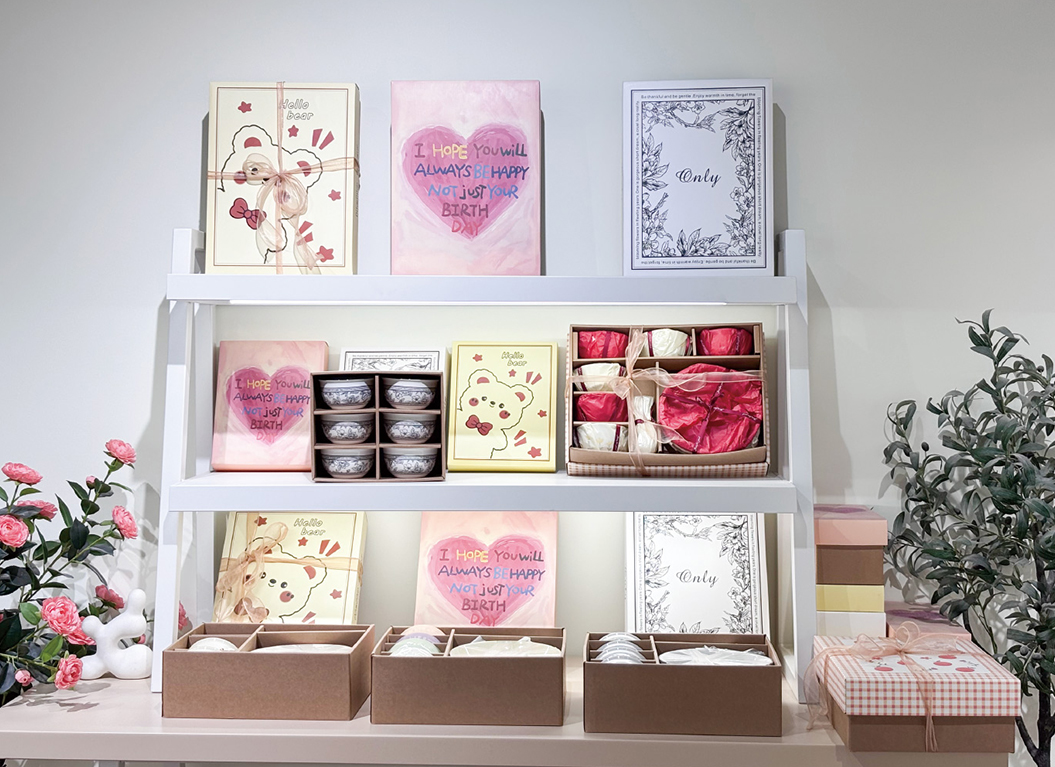
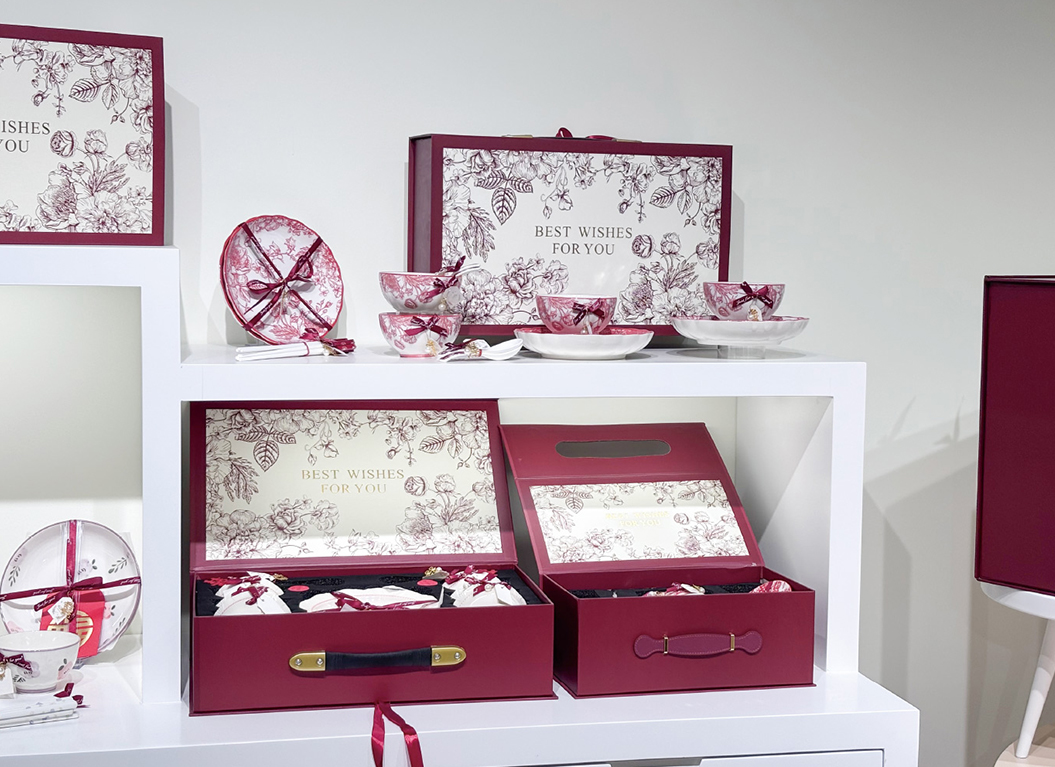
Customized Packaging
OEM suppliers can also provide:
- Retail boxes
- Gift packaging
- Export cartons
- Barcode labels
- Brand stickers
- Shipping marks
Professional packaging reduces transportation damage and improves brand presentation.
3. Understanding OEM Ceramic Dinnerware Pricing
Many buyers focus only on unit price, but OEM pricing depends on multiple factors.
Main Factors Affecting Cost
1. Material Selection
Common materials include:
- Porcelain
- Stoneware
- Bone China
- Ceramic
Different materials affect:
- Appearance
- Durability
- Production cost
2. Customization Level
Higher customization usually increases cost.
| Customization | Cost Impact |
|---|---|
| Logo Printing | Low |
| Custom Packaging | Low-Medium |
| Special Colors | Medium |
| New Shape Development | High |
| New Mold Creation | High |
3. Order Quantity
Larger quantities usually reduce:
- Unit cost
- Packaging cost
- Production efficiency
For long-term projects, increasing order volume can significantly improve pricing.
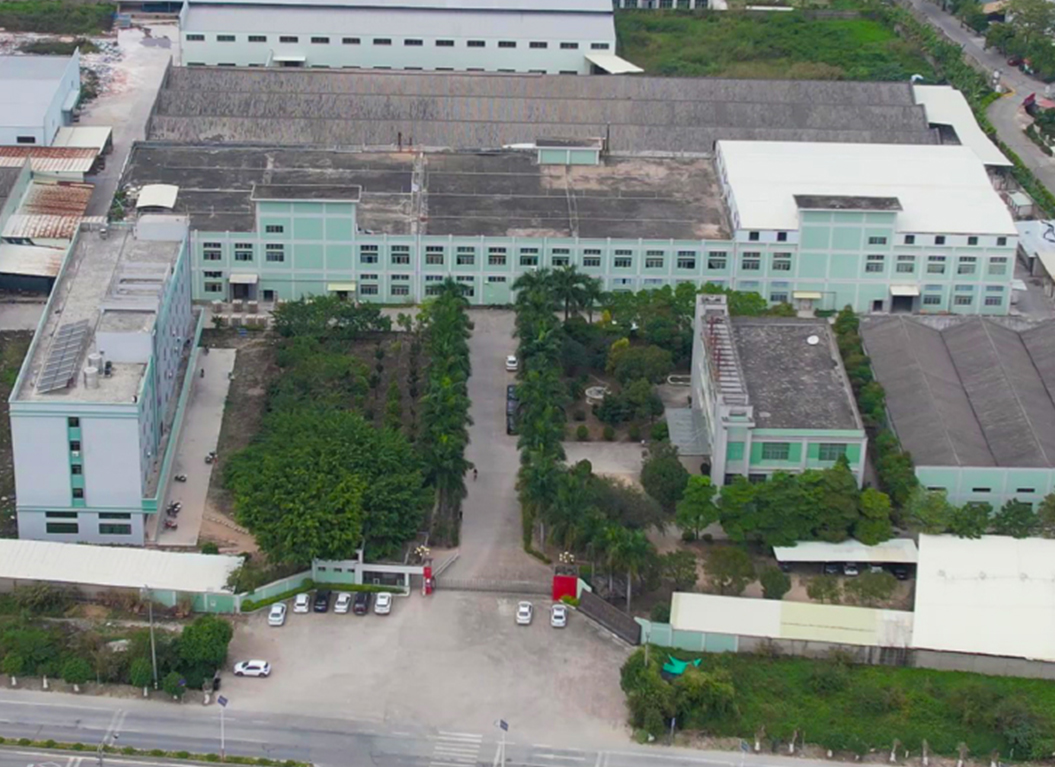
4. OEM Manufacturing Process: From Idea to Finished Product
Understanding the production process helps buyers communicate better with manufacturers.
Requirement Analysis
Design and Sampling
Mold Development
Mass Production
Quality Inspection
5. MOQ, Lead Time and Production Planning
OEM buyers should understand that MOQ depends on customization requirements.
Typical requirements:
| Project Type | MOQ Level |
|---|---|
| Existing designs | Lower MOQ |
| Logo customization | Medium MOQ |
| New molds | Higher MOQ |
| Fully customized collections | Project-based |
Typical Production Timeline
| Stage | Time |
|---|---|
| Sample development | 7–15 days |
| Production | 30–45 days |
| Complex projects | 45–60 days |
Planning early is especially important before:
- Holiday seasons
- Hotel opening projects
- Large promotional campaigns
6. Common Mistakes When Sourcing OEM Dinnerware
Choosing Only Based on Price
The lowest price may result in:
- Poor materials
- Unstable quality
- Delayed delivery
Skipping Sample Approval
Always confirm:
- Shape
- Color
- Logo
- Packaging
before mass production.
Ignoring Packaging Quality
Ceramic products are fragile.
Professional export packaging is essential to reduce:
- Breakage
- Shipping losses
- Customer complaints
7. OEM Supplier Selection Checklist
Before placing an order, confirm:
✅ Factory manufacturing capability
✅ Product samples approved
✅ MOQ confirmed
✅ Price structure understood
✅ Production timeline confirmed
✅ Quality standards agreed
✅ Packaging requirements confirmed
✅ Export experience verified
✅ After-sales support available
A professional checklist helps buyers avoid expensive mistakes.
Frequently Asked Questions
Can OEM manufacturers print our company logo?
Yes. Professional manufacturers support decal printing, underglaze logos, embossed logos, and other branding methods.
Can manufacturers develop completely new dinnerware designs?
Yes. Factories can create new molds based on drawings, samples, or design concepts.
How long does OEM dinnerware production take?
Most projects require 30–45 days after sample approval. Complex projects may require longer.
Can manufacturers match Pantone colors?
Yes. Experienced manufacturers can develop customized colors and glaze effects according to brand requirements.
What certifications are needed for ceramic dinnerware?
Requirements depend on the target market. Buyers should confirm applicable food-contact standards such as FDA, LFGB, or other regional requirements.
Choose a Manufacturing Partner, Not Just a Supplier
The right OEM ceramic dinnerware manufacturer should provide more than competitive pricing.
A reliable partner combines:
- Manufacturing expertise
- Product development capability
- Customization support
- Quality control systems
- Stable production capacity
- International export experience
For hotels, restaurants, wholesalers, and private-label brands, choosing the right OEM partner creates long-term value through consistent quality, reliable delivery, and stronger brand differentiation.
Meinai Tableware provides complete OEM and private-label ceramic dinnerware solutions, including product development, custom design, sampling, mass production, quality inspection, customized packaging, and worldwide export support.
From the first concept to finished products, Meinai helps global buyers transform their dinnerware ideas into market-ready collections.