




How to Import Ceramic Tableware from China: A Complete Sourcing Guide for Restaurants, Wholesalers & Brands

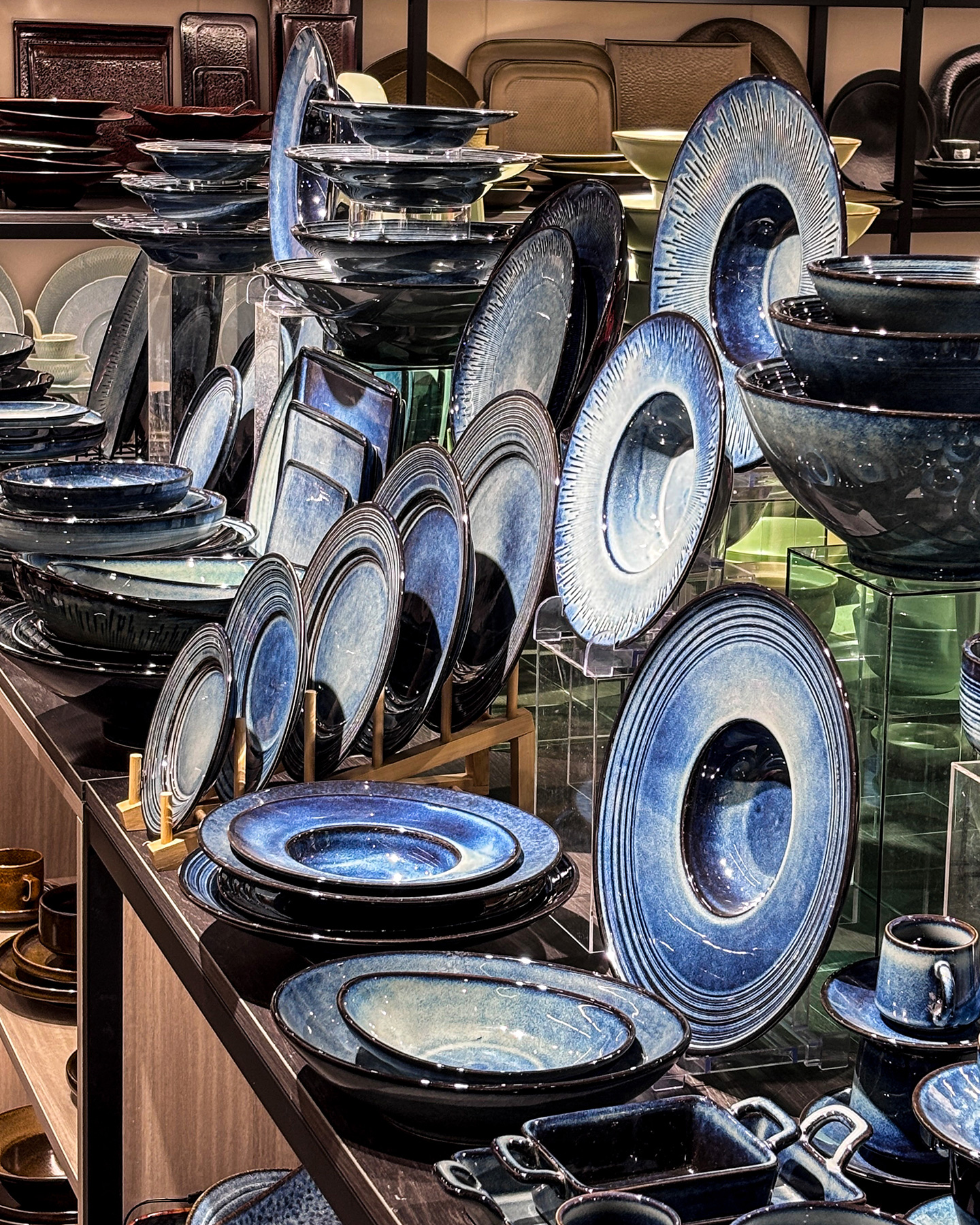
Choosing the right ceramic tableware supplier can save you 30% to 50% on costs when importing from China.
In this guide, we’ll show you exactly how to avoid common mistakes and secure stable, high-quality supply.

Get Free Sample (Test Quality Before Bulk Order)
Get Factory Price in 24 Hours (No Middleman)
In today’s globalized market, China remains the leading producer of ceramic tableware, supplying high-quality products to restaurants, hotels, retailers, and brand owners worldwide. Whether you are sourcing dinner plates for a hotel chain or building your own tableware brand, importing from China offers significant advantages in cost, customization, and supply stability.
However, the process can seem complex for those new to international sourcing. This guide will walk you through the complete process, from finding a reliable hotel dinnerware supplier to managing shipping and delivery.
Why Source Ceramic Tableware from China?
China’s dominance in the global ceramic tableware industry stems from several key factors:
1.Significant Cost Advantage: China possesses a mature industrial chain and large-scale production capabilities, allowing it to offer highly competitive prices compared to suppliers in Europe or America.
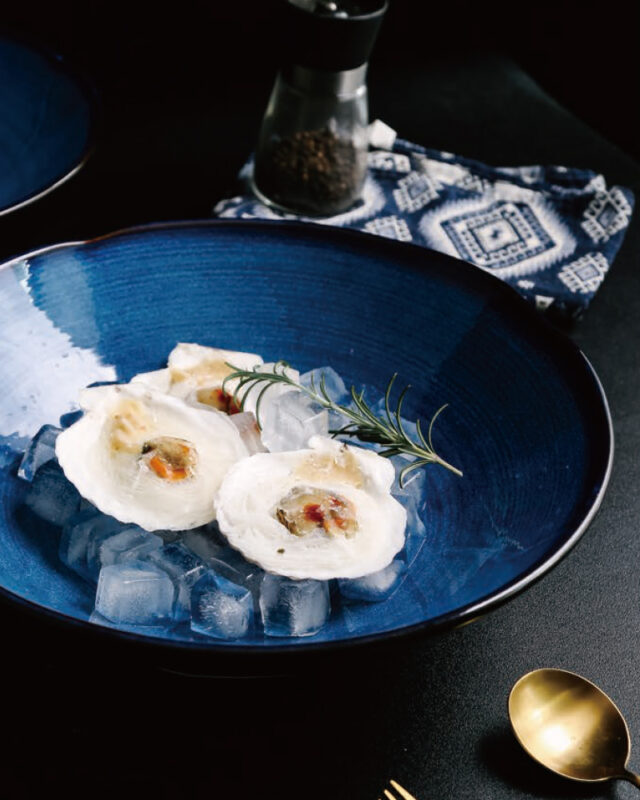
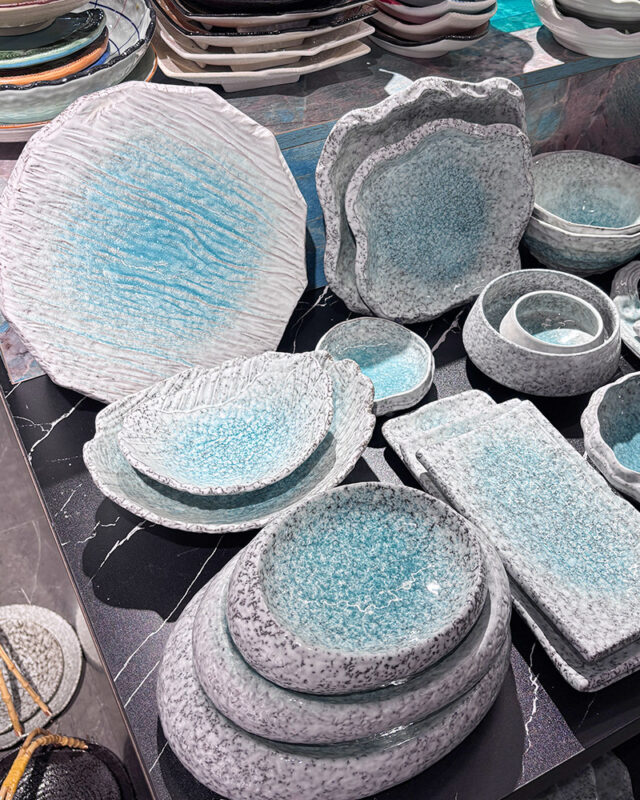
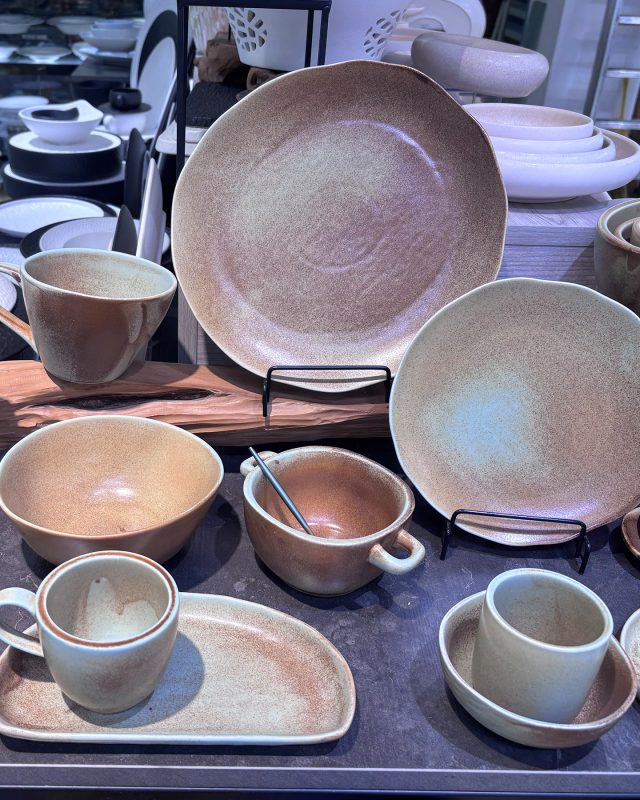
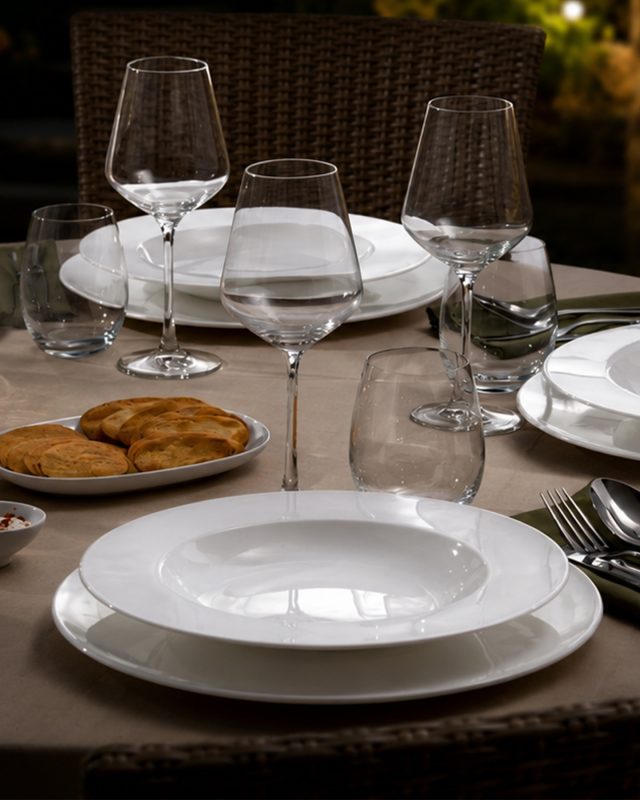
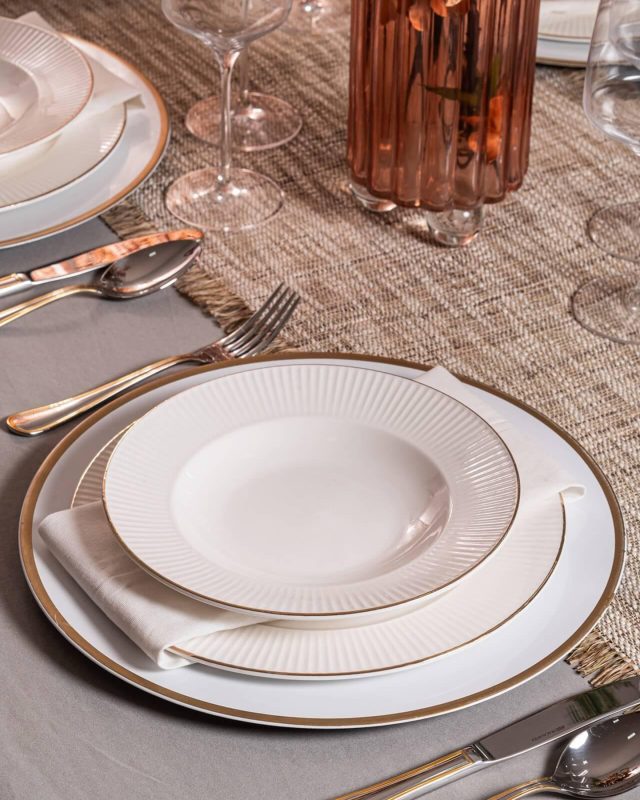
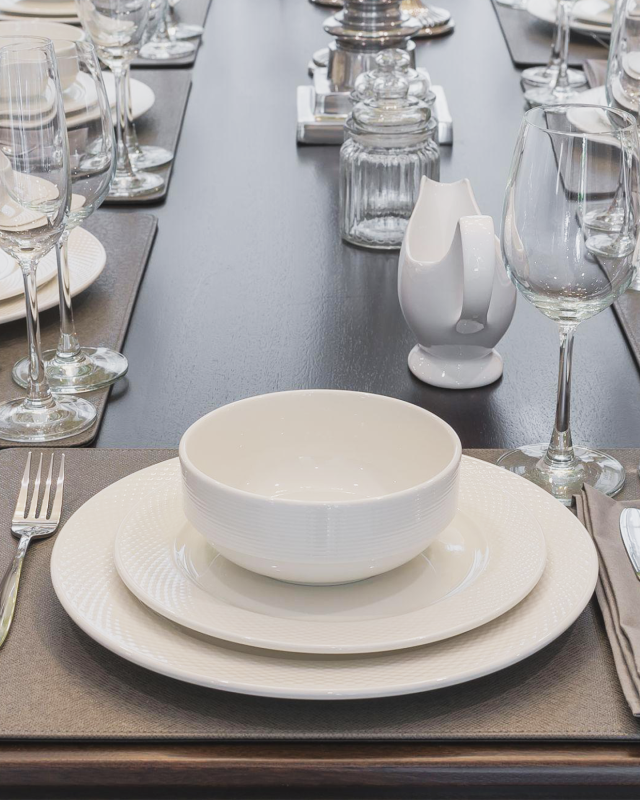
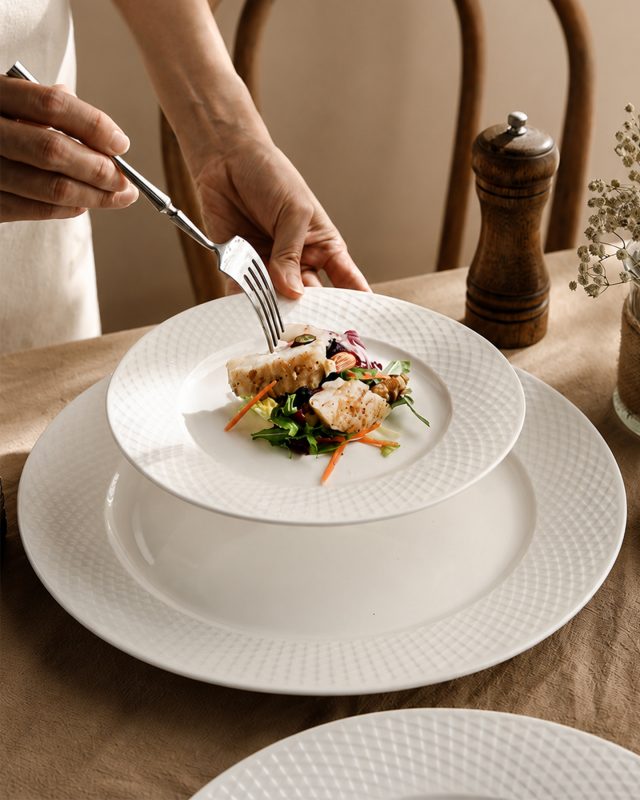
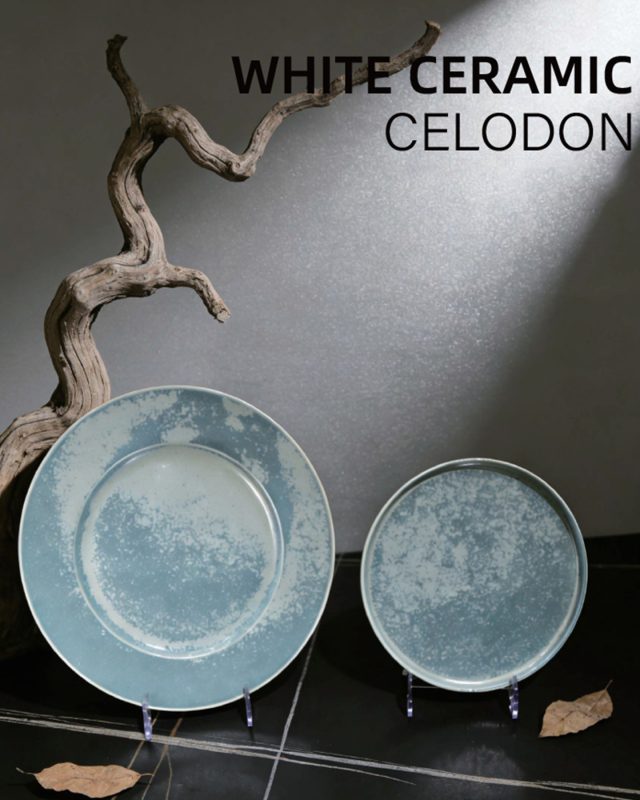
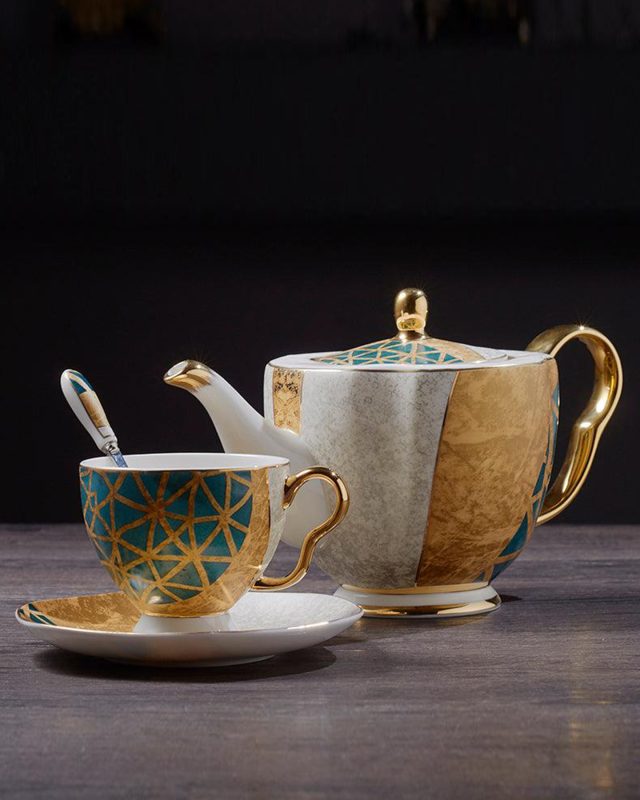
2.Extensive Product Variety: From minimalist white ceramic dinner plates to embossed patterns, reactive glazes, and hand-painted designs, Chinese factories can cater to diverse market styles.
3.Strong Customization Capabilities: Most Chinese ceramic factories support OEM (Original Equipment Manufacturer) and ODM (Original Design Manufacturer) services, including:
Custom restaurant logo plates
Size and shape customization (e.g., custom ceramic mugs)
Glaze color development
Custom packaging design
4.Stable Production Capacity: Reliable supply is crucial, especially for hotels and restaurant chains. Established bulk ceramic tableware suppliers can guarantee consistent quality and timely delivery for large-volume orders.
Step 1: Define Your Sourcing Needs
Before contacting suppliers, it’s best to have a clear understanding of your requirements:
Product Type: Restaurant dinner plates, ceramic soup bowls, cups, or full dinner sets.
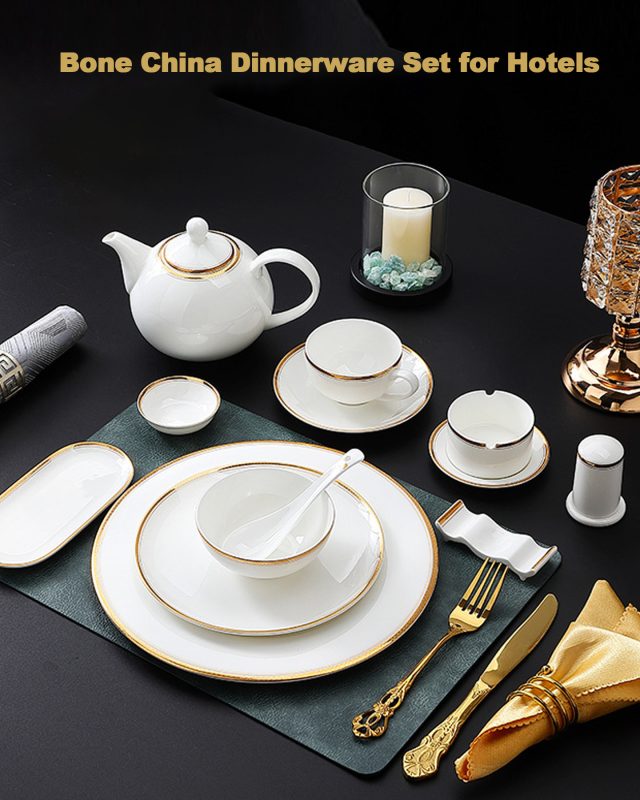
Material: Porcelain, stoneware, bone china.
Size & Specifications: Exact dimensions and features needed.
Quantity (MOQ): Estimated order volume per product/style.
Target market:(hotels / chain restaurants / e-commerce, etc.)
Budget Range: Cost per unit and total project budget.
Certifications Needed: FDA (US), LFGB (Germany), etc.
Clear requirements lead to efficient communication and more accurate quotes.
Step 2: Finding a Reliable Ceramic Tableware Supplier
1. B2B Platforms:
Common platforms include Alibaba, Made-in-China, and Global Sources. They are useful for quickly comparing multiple suppliers.
2. Google Search (Supplier Websites):
Use search keywords like:ceramic tableware manufacturer China,meinaitableware
This can help you find factories with their own websites, which often indicates a focus on branding and long-term cooperation.
3. Trade Shows:
Events like the Canton Fair allow for face-to-face communication and hands-on product inspection.
Step 3: Evaluate Supplier Capabilities
When selecting a supplier, focus on these key areas:
1.Factory or Trading Company? Prioritize manufacturers (factories). They typically offer better prices and more flexibility for customization.
2.Export Experience: Do they have experience exporting to your target market (e.g., USA, Europe, Middle East)?
3.Certifications & Testing: Common requirements include FDA (USA), LFGB (Germany), and SGS test reports.
4.Communication Skills: A good supplier should respond promptly, accurately understand your needs, and provide clear, complete quotes.
Not Sure Which Supplier to Choose?
Choosing the wrong supplier can cost you thousands of dollars.
We help buyers:
✔ Find the right ceramic tableware solution
✔ Offer factory-direct pricing
✔ Provide free sample support
[Contact us now to avoid costly mistakes]
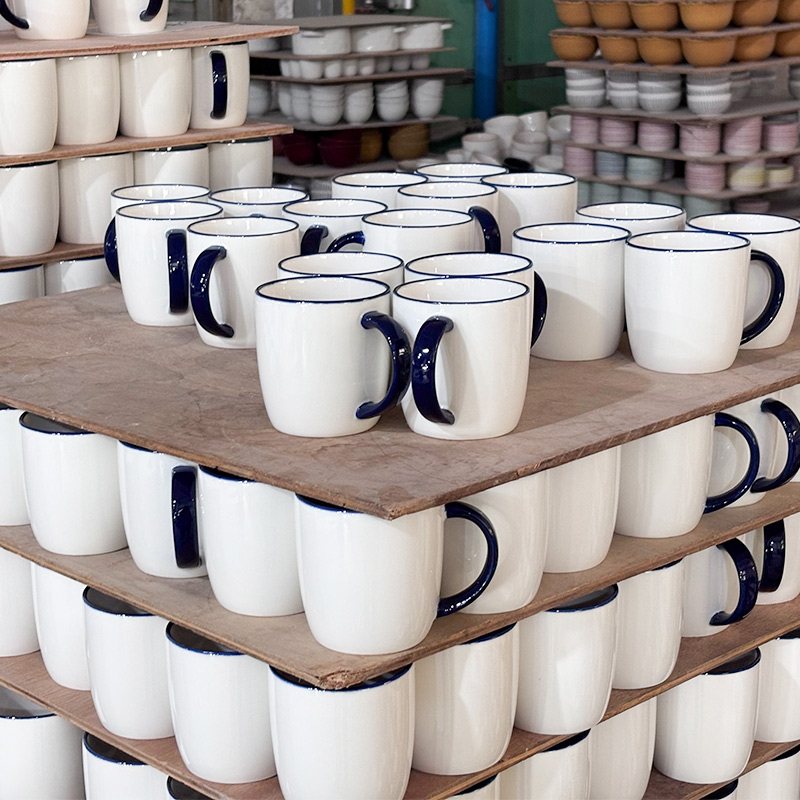
Step 4: Request Samples
Never place a bulk order without first confirming product quality through samples.
Key aspects to check:
Workmanship and Feel
Color accuracy and glaze finish
Packaging safety
Durability / Breakage resistance
This is a critical step to avoid costly mistakes later.
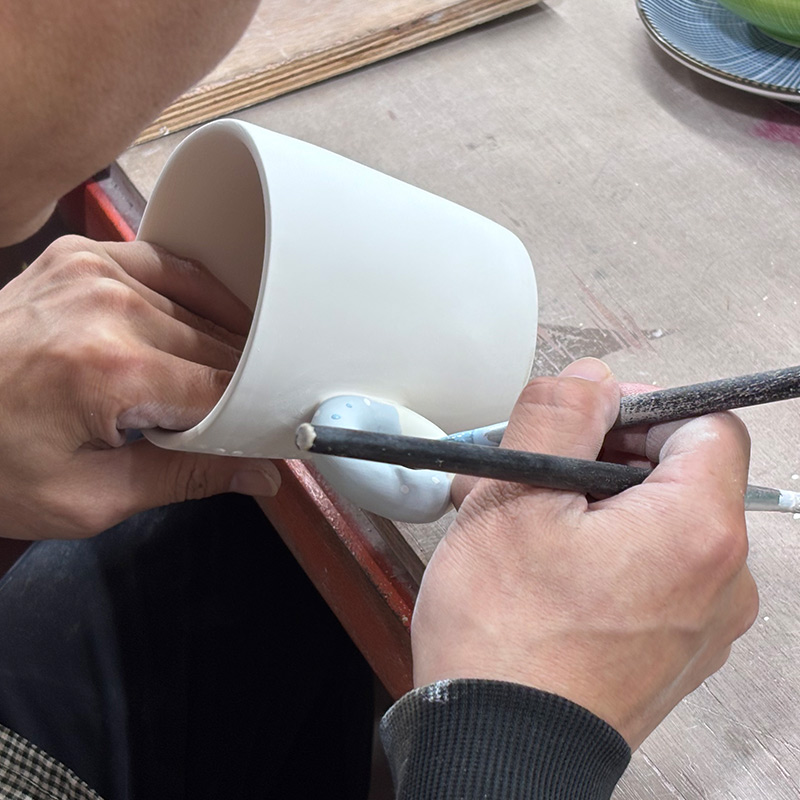
Step 5: Understand Pricing and Minimum Order Quantities (MOQ)
Factors Influencing Price:
Material (e.g., bone china costs more)
Process Complexity
Glaze Effect
Order Quantity
Typical MOQs:
Stock items: Often 200–3000 pieces per style.
Custom products: MOQs are usually higher, depending on the complexity.
Step 6: Confirm Trade Terms and Payment Methods
Common Payment Methods:
30% deposit + 70% balance before shipment (T/T)
Letter of Credit (L/C) for large orders
Key Details to Clarify:
Production Lead Time
Packaging Method (crucial for ceramics)
Quality Standards/Acceptance Criteria
Responsibilities in case of delays
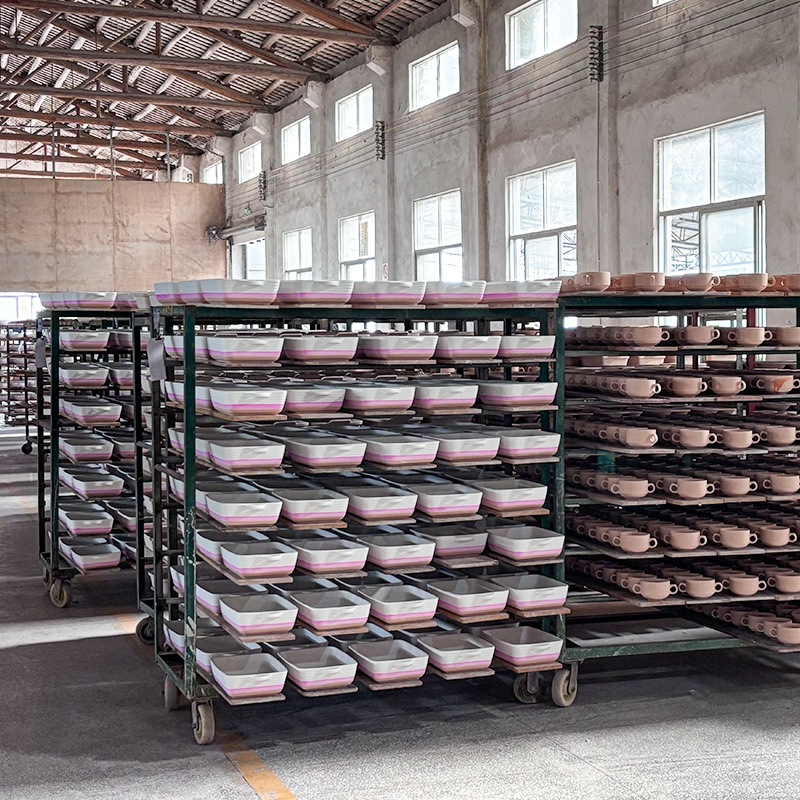
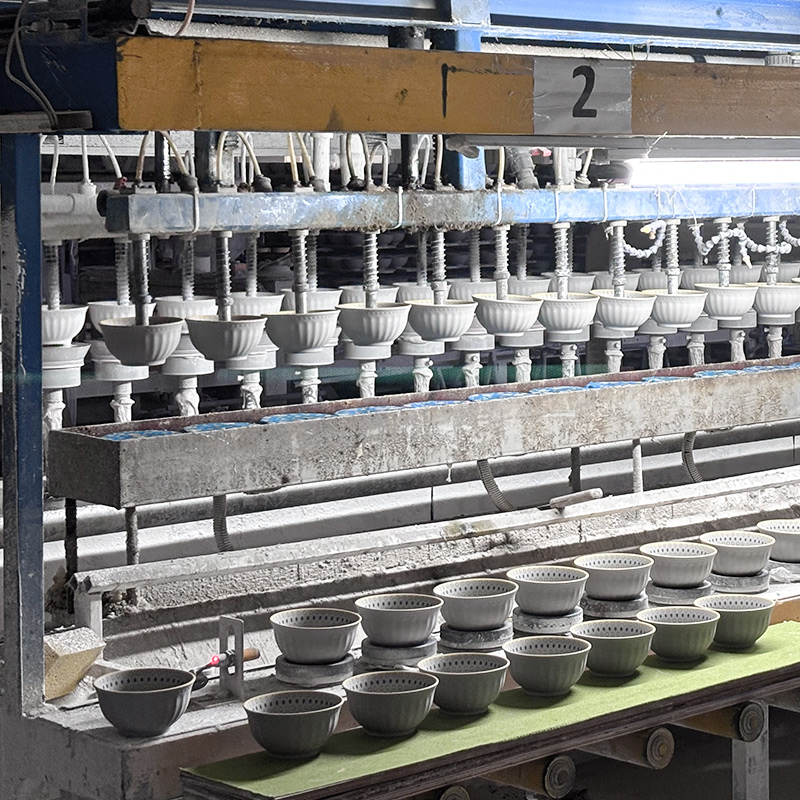
Step 7: Production and Quality Control
Production typically takes 20–45 days.
Quality Control Recommendations:
Monitor production progress (visit or get updates).
Use a third-party inspection service (like SGS, BV) before shipment.
Carefully check the packaging for adequate protection.
As ceramics are fragile, quality inspection is especially important.
Step 8: Shipping and Logistics
1. Sea Freight (Most Common):
Lower cost
Transit time: 20–40 days
2. Air Freight:
Faster transit
Higher cost
3.DDP (Delivered Duty Paid) Service:
The supplier handles:
Transportation
Customs clearance
Taxes and duties
This is a convenient option for less experienced buyers.
Step 9: Customs Clearance and Import Requirements
Requirements vary by country, for example:
USA: Must meet FDA standards.
EU: Must meet LFGB standards.
Required Documents Typically Include:
Commercial Invoice
Packing List
Bill of Lading
Step10:Establish a long-term cooperative relationship
Successful sourcing is not just a one-time transaction but the foundation for long-term partnership.
Benefits of Long-Term Cooperation:
Better pricing
Priority production scheduling
Enhanced customization support
Consistent quality
Common Mistakes to Avoid
Focusing only on price and ignoring quality.
Placing bulk orders without confirming samples.
Neglecting packaging requirements.
Unclear product specifications.
Poor communication.
Summary
Importing ceramic tableware from China is a highly cost-effective business choice. By selecting the right ceramic tableware supplier, implementing strong quality control, and arranging logistics properly, you can establish a stable and reliable supply chain. Whether you are a hotel purchaser, restaurant operator, or brand owner, China offers robust manufacturing support for your business.
Work With a Reliable Ceramic Tableware Manufacturer
If you are looking for a trusted ceramic tableware supplier in China, we can help you:
✔ Factory-direct pricing (save 30%–50%)
✔ Low MOQ for custom orders
✔ Fast production & global shipping
✔ Free samples available
Send us your inquiry today and get a quote within 24 hours.
Frequently Asked Questions (FAQ)
1. What is the typical MOQ for ceramic tableware from China?
Most suppliers require 200–3000 pieces per design, depending on the product complexity and customization level.
2. Can I customize my logo on ceramic tableware?
Yes, the vast majority of Chinese manufacturers support OEM services, including custom logo printing (decal/transfer) and custom mold designs.
3. How long does production usually take?
Production typically takes 20–45 days, depending on the order quantity, complexity, and the factory’s current schedule.
4. Is ceramic tableware from China safe for food use?
Yes, reputable suppliers can provide products certified to meet international food safety standards like FDA (US) or LFGB (Germany). Always request test reports.