





The Ultimate Guide to Restaurant Plates: How to Choose Durable & Stylish Ceramic Dinnerware

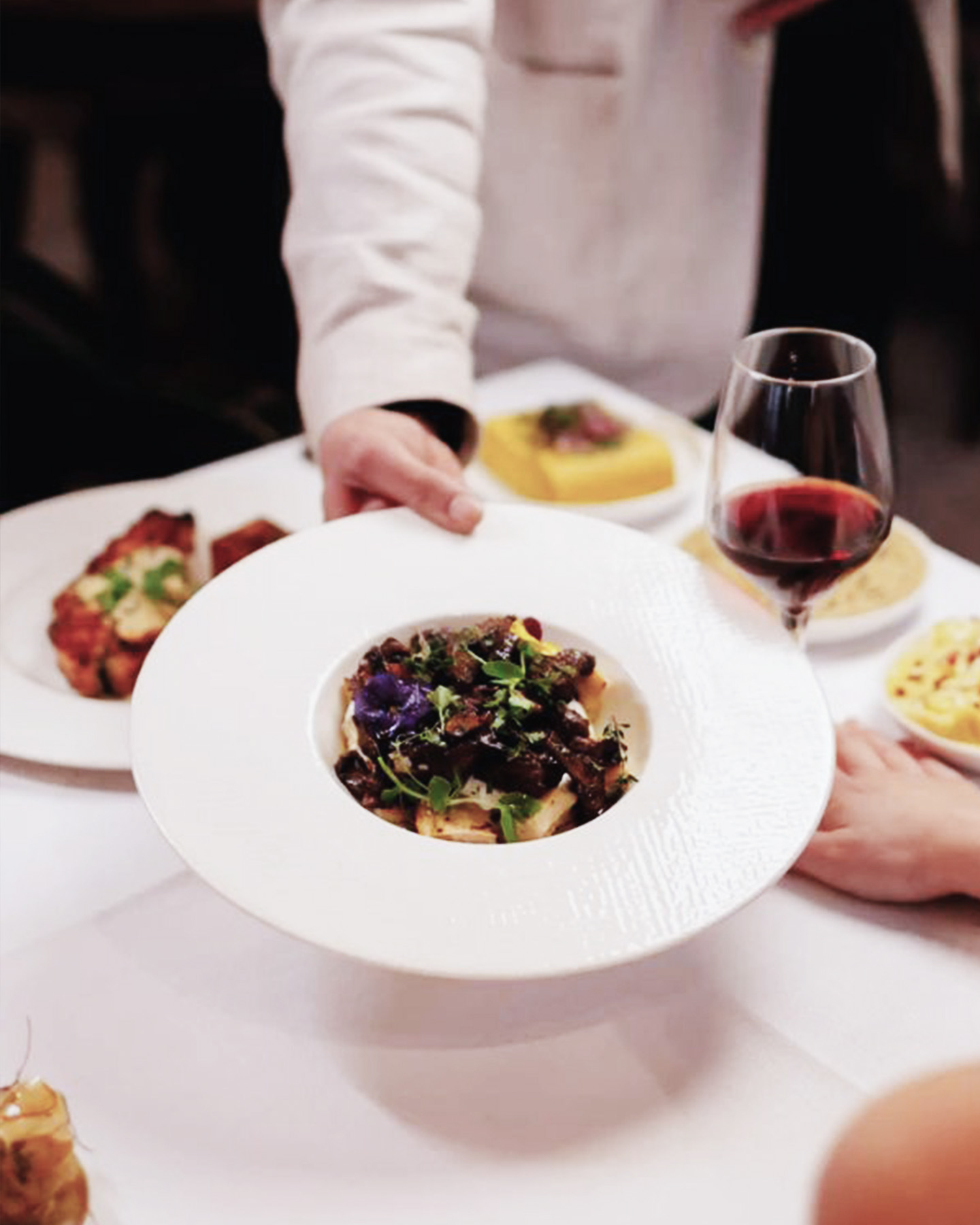
Selecting the best restaurant plates is one of the most critical decisions for any food service business. Beyond just looking good, your commercial ceramic dinnerware must endure constant use, high-temperature dishwashers, and frequent stacking. This ultimate guide helps restaurant and hotel owners choose durable and stylish plates for restaurants that enhance food presentation and withstand the rigors of a professional kitchen.
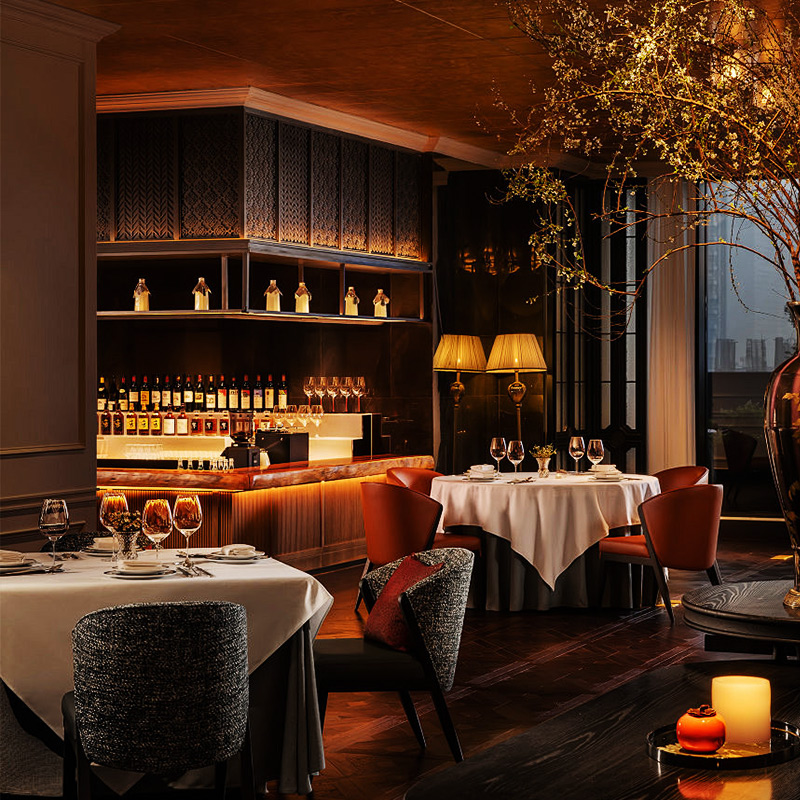
What Kind of Plates Do Restaurants Use?
Restaurant plates are fundamentally different from household dinnerware. They are specifically designed, including options like custom logo ceramic plates, to meet the rigorous demands of professional food service environments, balancing durability, functionality, branding, and aesthetics.
Unlike standard tableware, restaurants utilize a wide variety of plate types, such as ceramic soup bowls, ceramic salad bowls, ceramic pasta plates, ceramic dessert plates, and ceramic serving bowls. Commercial-grade plates are made from robust materials like bone china, porcelain, stoneware, or fully vitrified ceramic—each specially chosen for superior resistance to chipping, cracking, and wear. These materials, processed through specialized manufacturing techniques, perform better in commercial environments than traditional ceramics.
Fully vitrified ceramics are fired at high temperatures to form a dense, glass-like structure. This process enhances strength and hygiene while providing resistance to thermal shock and staining. For example, Meinai Tableware plates feature a fully vitrified body, ensuring long-lasting performance and consistent durability in high-intensity kitchens.
Key characteristics of commercial-grade tableware include:
Reinforced edges for improved chip resistance
Thicker, heavier construction to prevent breakage during stacking and transport
Glazes capable of withstanding thousands of dishwasher cycles
Thermal shock resistance to handle temperature changes
Types of Restaurant Plates: Material Matters
Understanding the different ceramic materials is crucial for making an informed purchasing decision. Each type offers unique advantages for specific dining applications.
Bone China: The Premium Choice
Bone china is a high-end ceramic made with animal bone incorporation, renowned for its elegance, translucency, and exceptional strength. Despite its beautiful appearance, bone china possesses remarkable strength and impact resistance, making it an ideal choice for fine dining establishments.
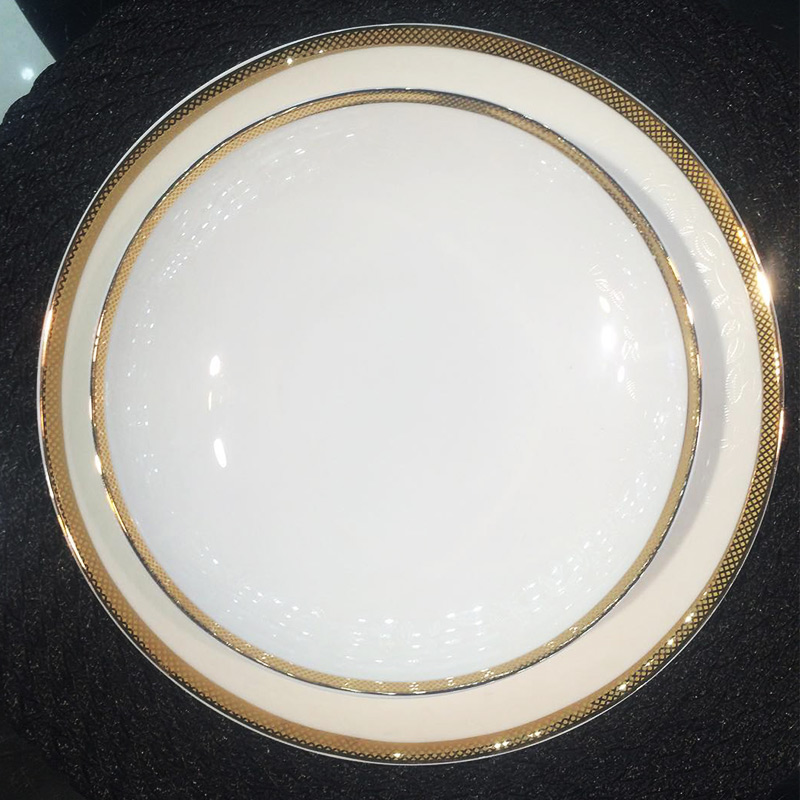
Advantages:
Exceptional strength and chip resistance despite its lightweight feel
Translucent, refined appearance that elevates the table setting
Microwave, dishwasher, and oven safe
Suitable for formal dining and luxury hotels
Limitations:
Higher cost compared to other ceramics
Limited availability of rustic or textured designs
Best For: Fine dining restaurants, luxury hotels, wedding banquets, formal events
Porcelain: The Workhorse Choice
Porcelain is a dense, non-porous ceramic fired at high temperatures, offering excellent durability and a smooth surface. It is the most common choice for high-volume commercial applications.
Advantages:
Highly durable and chip-resistant
Smooth, glossy surface ideal for food presentation
Suitable for daily high-intensity use
Microwave, dishwasher, and oven safe
Wide variety of designs—from minimalist to ornate
Limitations:
Can be heavy in larger sizes
Less translucent than bone china
May develop scratches over long-term use
Best For: High-traffic restaurants, hotels, buffets, casual-to-fine dining establishments
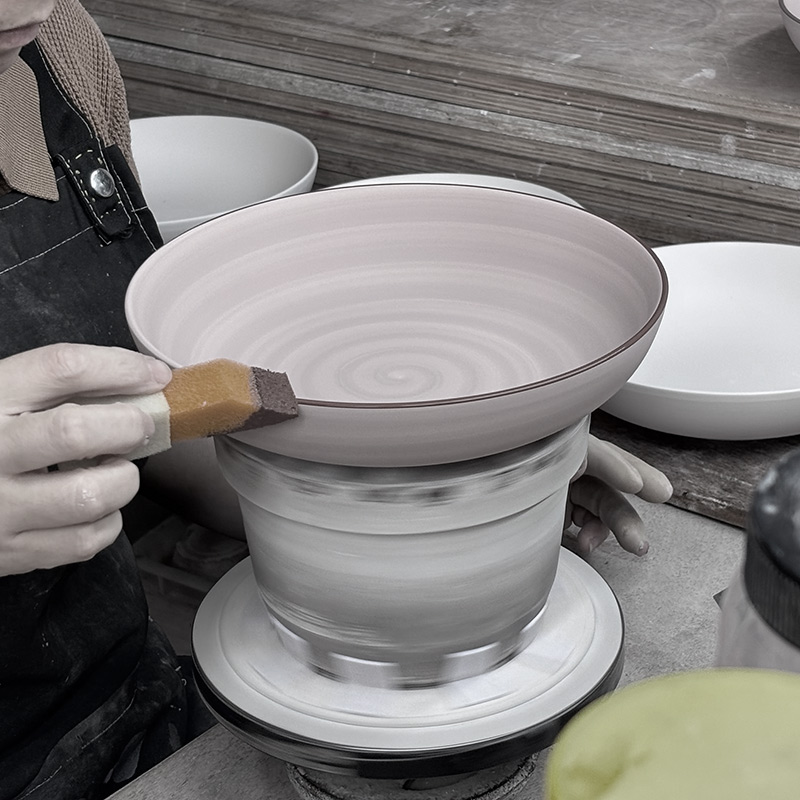
Stoneware: Rustic and Durable
Stoneware features a thicker, handcrafted style. Fired at high temperatures, it develops a rustic and durable quality, gaining popularity in casual dining and farm-to-table concepts.
Advantages:
Excellent heat retention, keeping food warm longer
Highly chip-resistant and robust
Rustic, artisanal aesthetic suitable for casual dining
Wide range of colors and textures available
Microwave and dishwasher safe
Limitations:
Heavier than porcelain or bone china
May appear too casual for formal settings
Poor glazing can lead to moisture absorption
Best For: Bistros, farm-to-table restaurants, casual dining spots, cafes
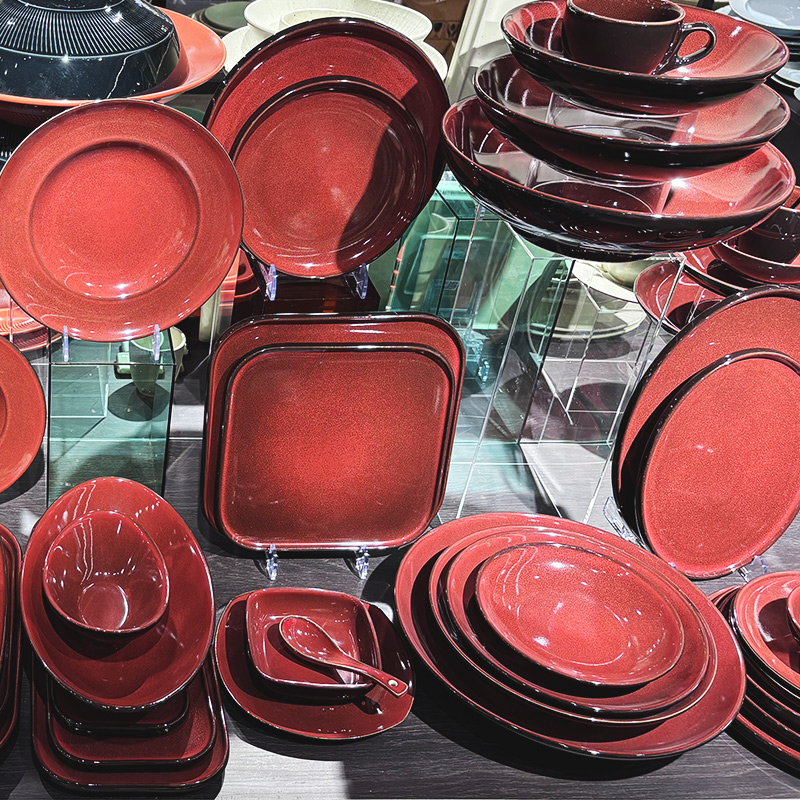
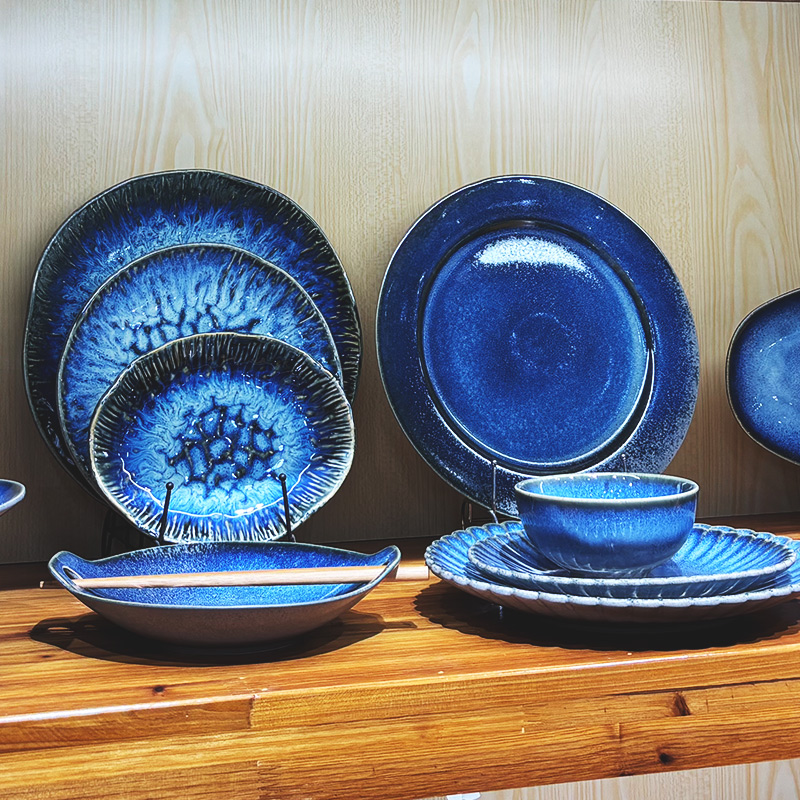
Reactive Glaze: Artistic Individuality
Reactive glaze stoneware uses chemical reactions in the glaze to create unique, artistic patterns during firing. Each piece is one-of-a-kind, perfect for restaurants wanting distinctive tableware.
Advantages:
Each piece features unique, organic patterns
Enhances dish presentation with an artistic touch
Durable and suitable for daily use
Good for branding and visual identity
Dishwasher and microwave safe
Limitations:
Inconsistent appearance may not suit formal settings
Higher cost due to the craftsmanship involved
Glaze may fade with heavy wear over time
Best For: Trendy cafes, boutique restaurants, artistic plating, Instagram-worthy dining experiences
Key Factors in Choosing Restaurant Plates
Durability and Chip Resistance
For restaurants and hotels, plates endure dozens of uses daily, commercial dishwasher cleaning, stacking, and contact with metal utensils. Durability directly impacts replacement costs and operational efficiency.
Select plates with:
Reinforced edges – Offering up to 30% better chip resistance than standard tableware
High firing temperatures (above 1280°C) – Creating a denser, stronger ceramic body
Fully vitrified body – Ensuring stain resistance and hygiene
Thermal Shock Resistance
Thermal shock occurs when ceramics experience rapid temperature changes – like moving a plate directly from refrigeration to an oven, or pouring hot soup into a cold bowl. This can cause cracking or even shattering, posing safety risks.
Quality commercial plates are designed with thermal shock resistance in mind. Fully vitrified ceramics typically withstand temperature fluctuations better than lower-quality alternatives.
Size and Shape Considerations
Plate size impacts portion control, presentation style, and storage efficiency. Standard sizes range from 10 to 12 inches for large dinner plates, available in round ceramic plate or square ceramic plate formats. However, specialty sizes serve specific purposes.
10-inch plates: Standard for main courses in most restaurants
15-inch plates: Suitable for buffet lines, banquet service, family-style dining, requiring more presentation space
Triangular or uniquely shaped plates: Add visual interest but consider storage space and stackability
Stackability and Storage Efficiency
For commercial kitchens with limited space, stackable design is crucial. Modern stackable porcelain plates feature contoured edges and tapered designs, allowing plates to stack securely without touching surfaces, reducing storage space by up to 30%.
Reinforced edges in stackable designs improve chip resistance while maintaining ease of handling. This is especially important for high-traffic restaurants, hotels, and catering operations where storage optimization directly impacts workflow efficiency.
Equipment Compatibility
Modern commercial plates must integrate seamlessly with kitchen equipment. Essential compatibility requirements include:
Dishwasher-safe glazes – Resisting cracking and fading after thousands of commercial washes
Microwave-safe construction (avoiding metallic decorations) – Facilitating easy reheating
Oven-safe performance – Withstanding high temperatures (typically 350°F–500°F) for oven-to-table service
Freezer-safe design – Preventing thermal shock during transitions from cold to hot environments
When selecting plates, verify temperature ratings. Some high-quality porcelain plates can withstand oven temperatures up to 177°C (350°F), suitable for oven-to-table applications.
Food Safety and Certifications
Commercial tableware must meet strict food safety standards. Ensure plates are:
Lead-free and cadmium-free – Crucial for international markets
Certified to meet FDA standards or relevant regional regulations
Made with food-grade safe glazes – Preventing chemical leaching, especially with acidic foods
Cleaning and Maintenance Requirements
Ease of cleaning directly impacts labor costs and kitchen efficiency. Look for:
Smooth, non-porous glazes – Preventing food from sticking and resisting stains
Dishwasher durability – Glazes that remain intact after thousands of cycles
Stain resistance – Especially against dark foods like coffee, tea, and tomato sauce
For stubborn stains on white china, soaking with baking soda and warm water can be effective without damaging the glaze. Avoid abrasive cleaners that can wear down the surface.
Aesthetics and Brand Fit
Tableware is an extension of your brand identity. The style, color, and finish of your plates communicate your restaurant’s concept and values.
White Ceramic Dinner Plate – Classic elegance, serving as a neutral backdrop highlighting the food. Suitable for everything from French haute cuisine to casual family dining.
Matte Ceramic Plate – Modern, understated aesthetic, popular in contemporary restaurants
Colored accents like green rims or reactive glazes – Add unique personality without overwhelming the food presentation
Meinai Tableware‘s ceramic white plates demonstrate how subtle design elements can create brand recognition while maintaining the classic appeal of white china.
Choosing Plates According to Restaurant Style
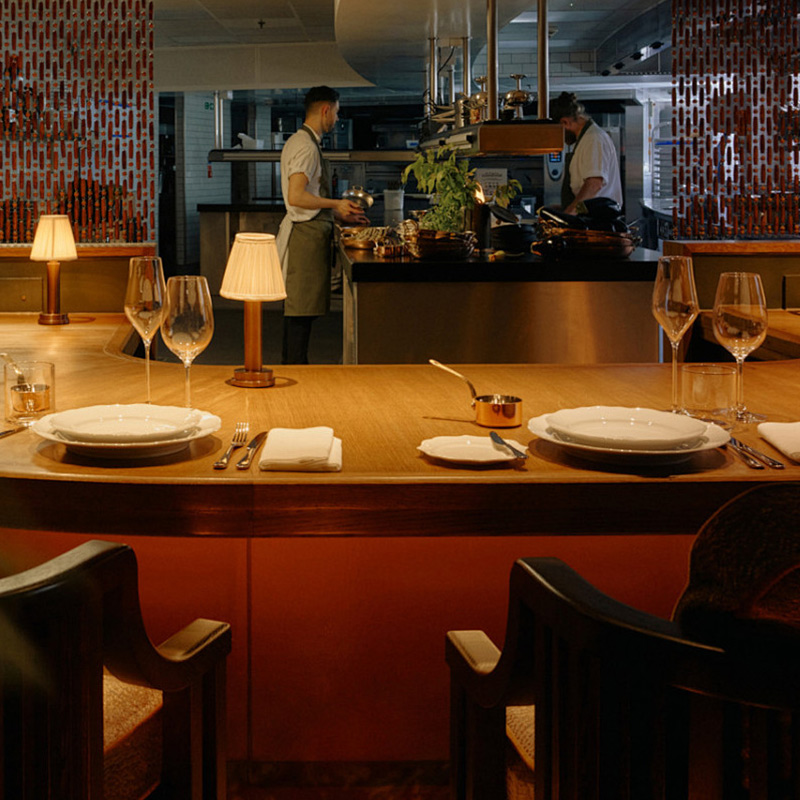
Fine Dining Restaurants and Luxury Hotels
Upscale venues require plates that convey elegance and sophistication. Bone china or high-quality porcelain in classic shapes with refined finishes are most suitable. These materials offer the delicate look desired in fine dining, coupled with surprising durability.
Consider:
White or ivory tones that don’t compete with artistic plating
Rimmed designs to perfectly frame dishes
A premium feel with balanced weight, not too heavy
European light luxury styles are popular in high-end hotels, balancing aesthetics with practical durability for frequent use.
Casual Dining and Bistros
Restaurants with a relaxed atmosphere can embrace more varied styles. Stoneware with rustic finishes, or reactive glaze plates, adds character and warmth.
Consider:
Earth tones and artisanal textures complementing farm-to-table concepts
Heavier weight for a substantial, comforting feel
Unique shapes to create a memorable dining experience
High-Traffic Restaurants and Chains
Establishments requiring quick table turns should prioritize durability and ease of maintenance. Porcelain and fully vitrified ceramics offer the best balance of strength, cleanability, and consistent appearance.
Consider:
Stackable designs to optimize storage space
Reinforced edges to minimize replacement costs
Simple, classic designs that work across menu changes
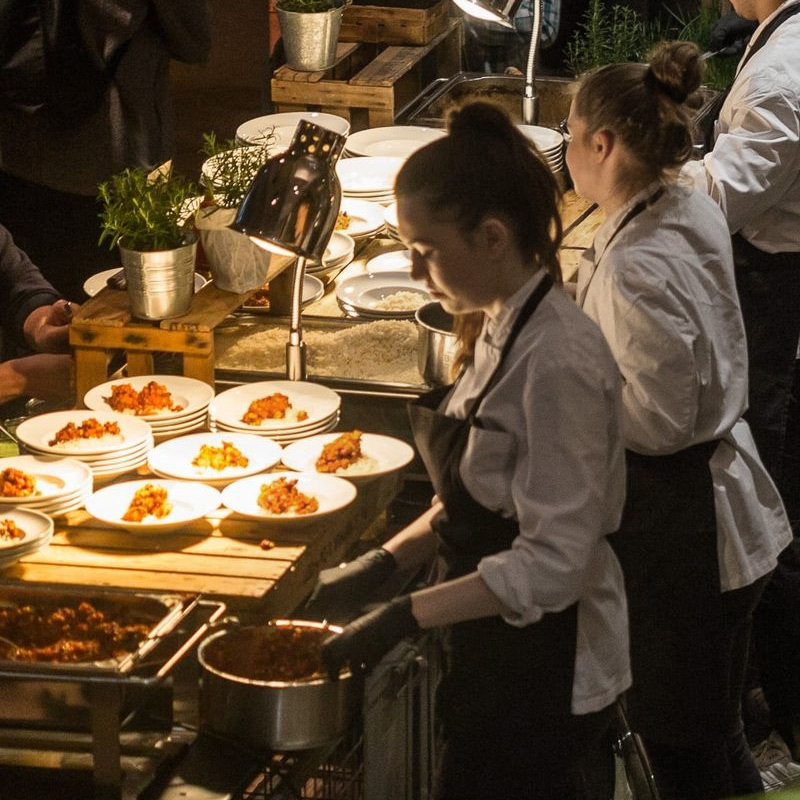
Buffets and Banquets
These environments demand plates that withstand stacking, transport, and varied use patterns. Fully vitrified ceramics with chip-resistant edges are essential.
Consider:
Large dinner plates (12-15 inches) to accommodate diverse buffet items
Durable glazes resistant to scratching from metal utensils
Lightweight options for easy handling by guests
Cost Considerations and ROI
Initial Investment vs. Long-Term Value
High-quality commercial plates have a higher initial cost but offer better long-term value by reducing replacement frequency. In high-volume settings, quality porcelain or bone china plates can last 3-5 times longer than cheaper alternatives.
Some operators report that chip-resistant features reduce annual breakage-related costs by approximately 30%.
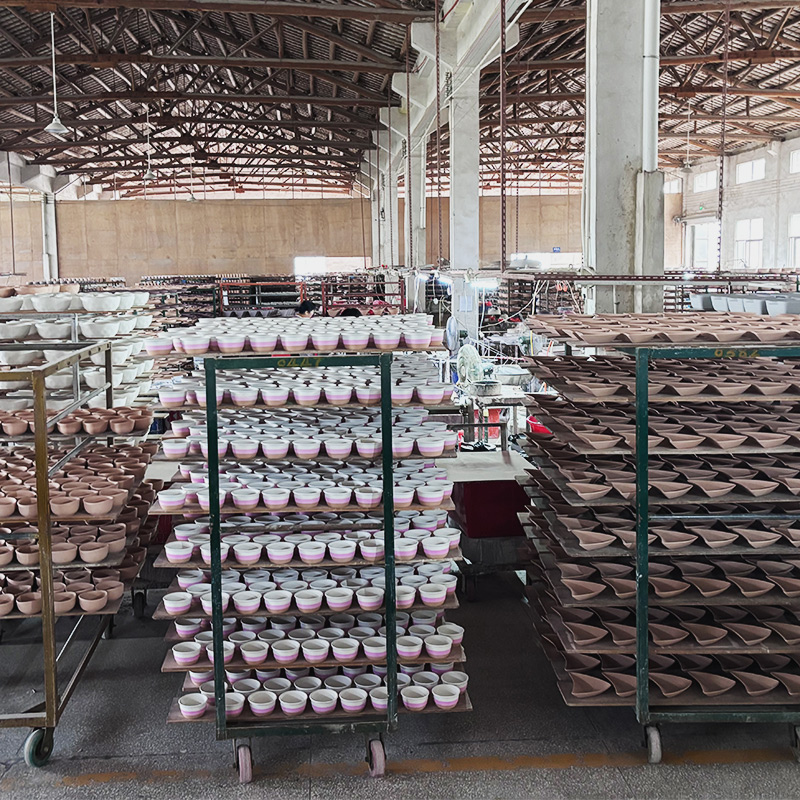
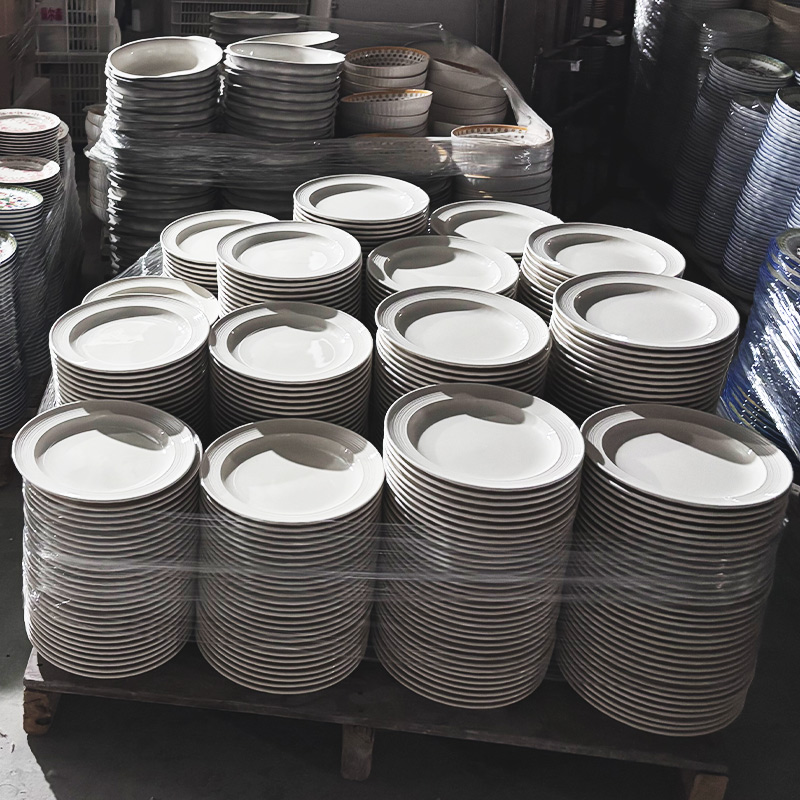
Meinai Tableware, as a ceramic dinnerware manufacturer, ensures quality while also providing reasonable pricing.
Factors Affecting Total Cost of Ownership
Beyond the initial purchase price, consider these cost factors:
Breakage rate – Even a 1% annual reduction in breakage can yield significant savings
Storage efficiency – Stackable designs reduce space requirements
Ease of cleaning – Stain-resistant glazes reduce labor and detergent costs
Warranty coverage – Manufacturer warranties provide peace of mind
Balancing Quality and Budget
For most operations, investing in mid-to-high quality porcelain or fully vitrified ceramics for daily-use items makes financial sense. Reserve high-end bone china for special events or fine dining venues where its elegance justifies the cost.
When purchasing plates in bulk, always request samples—especially for reactive glazes or special finishes—to ensure color consistency, weight, and compatibility with your menu presentation.
Practical Tips for Extending Plate Lifespan
Proper Handling and Stacking
Train staff to avoid haphazard stacking
Use non-woven fabric dividers when storing valuable tableware
Maintain reasonable stack heights (no more than 15cm per stack) to prevent pressure damage
Careful Cleaning Habits
Use soft sponges or cloths – Avoid steel wool that can scratch glazes
Select “china mode” on dishwashers with water temperatures ≤65°C
Avoid high-temperature sanitizing cycles exceeding 70°C
For stubborn stains, soak with baking soda and warm water before washing
Regular Inspection
Routinely check plates for cracks, chips, or glaze degradation
Immediately remove damaged items to prevent safety hazards
Monitor breakage patterns to identify operational issues or problematic products
Proper Usage
Do not put plates in the microwave unless labeled “microwave safe”
Avoid sudden temperature changes – Do not place hot plates directly onto cold surfaces
Do not use commercial plates for non-food purposes or extreme applications
Making the Final Decision
Choosing the best plates for your restaurant or hotel requires balancing multiple factors: material durability, aesthetic appeal, cost, maintenance requirements, and brand fit.
Assess your traffic and usage patterns – High-volume operations need maximum durability; fine dining may prioritize presentation, accepting some trade-offs in durability
Define your brand aesthetic – Your plates should communicate your concept and values to guests
Set realistic budget parameters – Consider total cost of ownership, not just the initial purchase price
Request samples – Test candidate products in your actual environment before committing to a bulk order
Verify certifications – Ensure plates meet food safety standards for your market
Check compatibility – Confirm plates work with your dishwashing equipment and storage systems
Evaluate supplier reliability – Consider lead times, minimum order quantities, and after-sales service
Conclusion
The right plates enhance food presentation, improve operational efficiency, and contribute to creating memorable guest experiences. While the initial selection requires careful consideration, investing in quality commercial tableware pays off through reduced replacement costs, consistent performance, and an elevated dining experience.
By understanding the advantages of different ceramic materials—from elegant bone china to durable fully vitrified porcelain—and matching them to your specific operational needs, you can make an informed decision that brings long-term benefits to your business.
Whether you choose the timeless versatility of classic white porcelain, the artistic individuality of reactive glaze plates, or the space efficiency of stackable systems, prioritize quality and durability. Your plates are an investment in your brand and guest satisfaction—choose wisely.

