





2026 Commercial Ceramic Tableware Design Trends: A Complete Guide

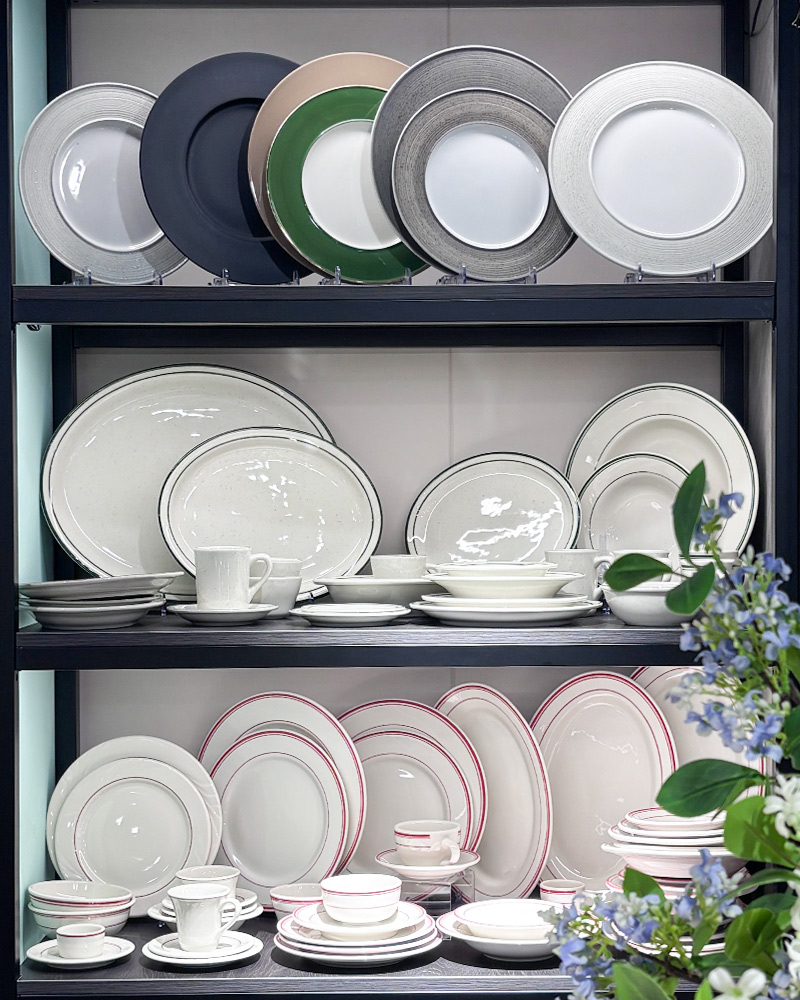
Minimalist Ceramic Tableware Design: Functional Simplicity for Commercial Use
Minimalism remains a dominant trend in modern ceramic tableware design, extending far beyond an aesthetic choice—it is a practical solution addressing the needs of high-volume commercial use. Unlike decorative minimalist designs aimed at the home market, minimalist ceramic tableware for commercial use focuses on clean lines, uncluttered surfaces, and versatile shapes that can adapt to various dining scenarios, from high-end restaurants and casual cafes to hotel buffets.
Key characteristics of this trend include neutral color palettes—primarily whites, off-whites, grays, and beiges—which act as a blank canvas for food presentation. White ceramic tableware, in particular, continues to see strong market demand because it enhances the visual appeal of dishes, complements any interior design style, and simplifies inventory management by ensuring consistency in table settings. Brands like Meissen Ceramics have capitalized on this trend, launching over 30 series of white ceramic tableware specifically designed for hotels, restaurants, and catering events, featuring features like wide rims to prevent spills and smooth surfaces for easy cleaning in commercial dishwashers.
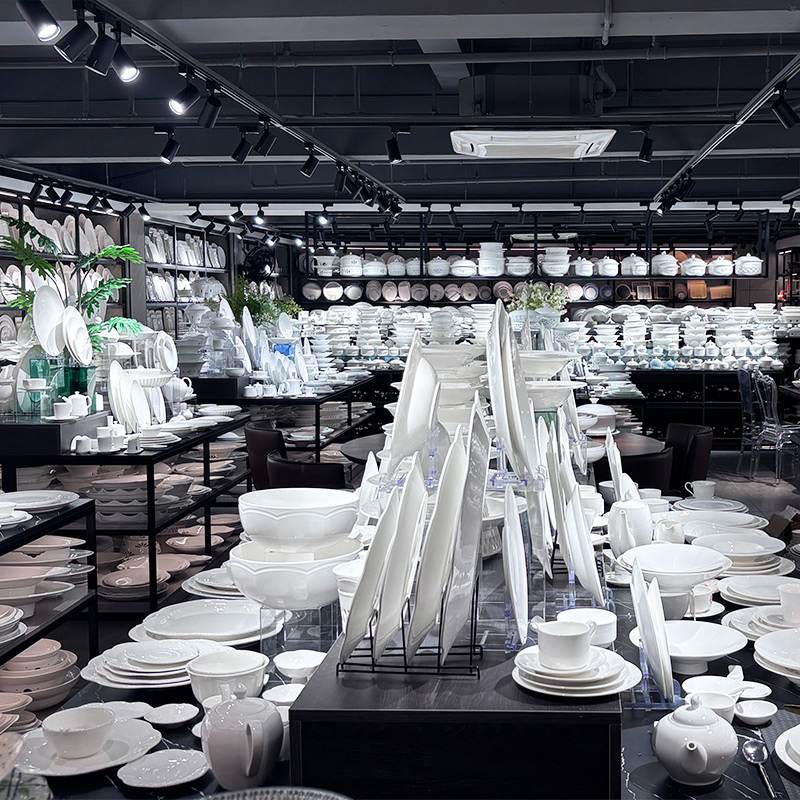
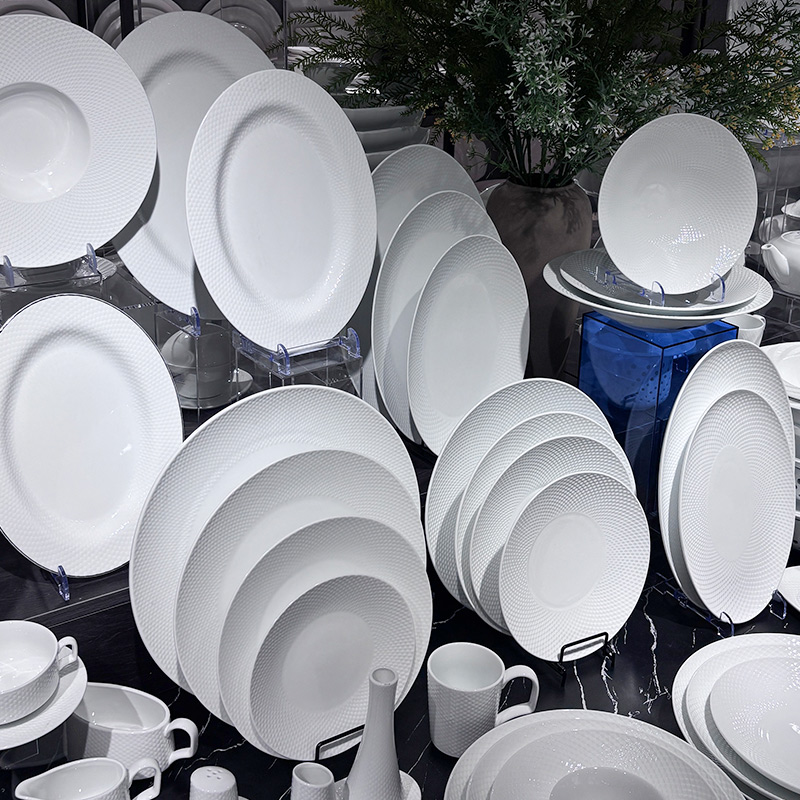
Minimalist design also emphasizes ergonomics and durability. For food and beverage establishments, tableware must withstand frequent use, repeated washing, and occasional drops while maintaining its aesthetic integrity. Modern minimalist ceramic products often incorporate reinforced edges, thickened bases, and high-temperature firing (up to 1320°C) processes to enhance chip resistance and lifespan, addressing the core pain point of high replacement costs for hospitality businesses due to breakage. This functional minimalism achieves a balance between form and function, making it a preferred choice for restaurants seeking both efficiency and elegance.
Market data confirms the enduring popularity of this trend: a 2025 report by Future Market Insights indicated that minimalist ceramic tableware accounts for over 40% of sales in the HORECA (Hotel/Restaurant/Café) sector, driven by its versatility and cost-effectiveness. For manufacturers, this trend represents an opportunity to create standardized, scalable designs that meet the high-volume needs of commercial clients while maintaining a modern, sophisticated look.
Sustainable Ceramic Tableware: Eco-Friendly Materials & Production Processes
Sustainability has shifted from a niche trend to a core requirement for ceramic tableware buyers. As businesses in the hospitality and catering industries face increasing environmental pressure from customers, regulators, and industry standards, sustainable ceramic design has become a key differentiator. The modern sustainable ceramics trend focuses on three key areas: eco-friendly materials, energy-efficient production, and circular lifecycle practices.
In terms of materials, the industry is gradually moving from traditional clay mixtures towards recycled, upcycled, and renewable alternative materials. Recycled ceramic powder, derived from industrial waste (such as broken or discarded tableware), is being incorporated into new products, reducing raw material consumption and landfill waste. Some manufacturers are experimenting with adding plant-based additives (like bamboo fiber or rice husks) to create lighter, more sustainable ceramic blends without compromising durability or aesthetic appeal. Furthermore, lead-free and cadmium-free glazes have become the industry standard, addressing health concerns and meeting global safety certifications like FDA, LFGB, and CE—essential requirements for international markets.
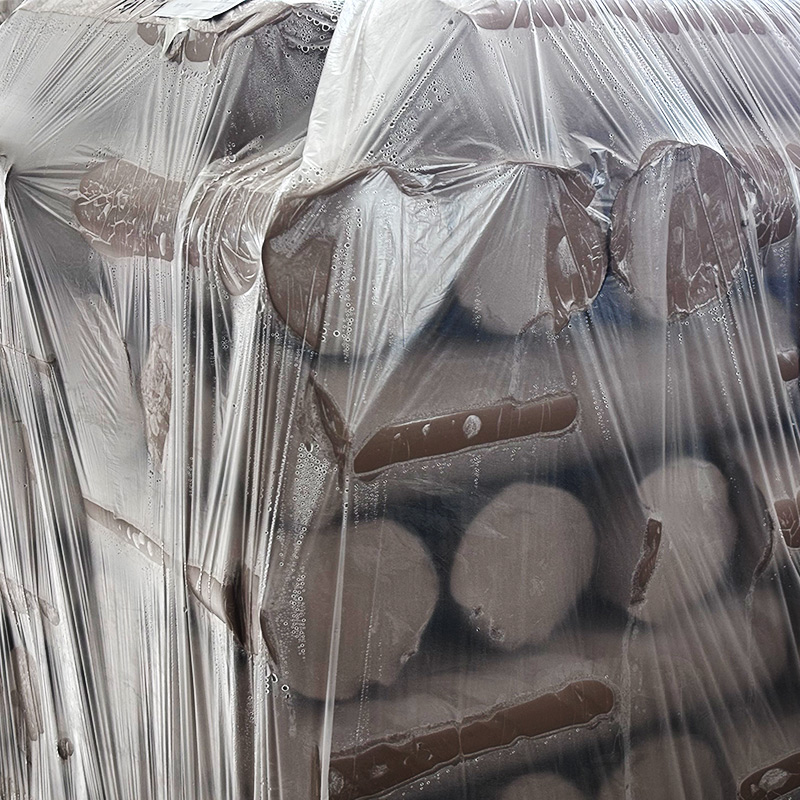
Energy conservation in production is also a key focus. Traditional ceramic firing is energy-intensive, but modern manufacturers are adopting innovative technologies to reduce their carbon footprint. The use of energy-efficient kilns, solar-powered production facilities, and waste heat recovery systems is growing, lowering environmental impact and reducing production costs—a crucial factor for manufacturers and buyers seeking cost-effective, sustainable options. For example, some Chinese manufacturers have reduced carbon emissions by up to 30% by adopting smart kiln technology, aligning with global “net-zero” goals and appealing to environmentally conscious partners.
Circularity is also gaining traction, with clients increasingly seeking products that are recyclable or reusable at the end of their lifecycle. Some manufacturers now offer take-back programs for old ceramic tableware, crushing it to use as raw material for new products, creating a closed-loop system. This not only reduces waste but also helps clients meet their own sustainability targets, such as the UN Sustainable Development Goals (SDGs) or industry-specific certifications like BSCI.
Market projections indicate continued growth in demand for sustainable ceramic tableware: by 2030, sustainable materials are expected to account for 30% of the global ceramic tableware market, with much of this growth driven by B2B clients needing to pass on sustainability commitments to their end customers. For B2B suppliers, investing in sustainable design is no longer optional—it’s a necessity for remaining competitive in a market where environmental responsibility is a key purchasing criterion.
Functional Innovation in Ceramic Tableware: Durability for High-Volume Use
For clients in the HORECA and catering sectors—environments characterized by high demand—durability, versatility, and practicality are paramount. Modern design trends are addressing long-standing industry pain points like fragility, limited use cases, and high maintenance costs through functional innovations.
One of the most significant innovations is the development of high-strength ceramic materials that combine durability with lightweight properties. For instance, “Golden Steel Ceramic,” developed by Chinese manufacturers in collaboration with research institutions, utilizes nano-crystallization technology to create tableware that withstands drops from 1.5 meters without breaking, endures extreme temperatures from -40°C to 140°C, and resists scratching and staining. This material is particularly popular among clients like restaurant chains and catering companies as it reduces replacement costs and minimizes operational disruptions caused by breakage. Similarly, high-strength magnesia ceramics, with hardness exceeding 1500 kg/cm², have become a common choice in settings like school canteens and mass catering venues, with manufacturers offering warranties covering breakage rates exceeding 10% under normal use.
Multi-functionality is another core functional trend, with clients seeking tableware that can adapt to multiple uses. Modular ceramic tableware sets, including stackable plates, bowls, and serving pieces, are gaining popularity as they save storage space—a critical factor in commercial kitchens with limited area. Additionally, multi-purpose designs, such as deep plates that can serve both a main course and soup, or shallow bowls suitable for salads and appetizers, help clients reduce the number of different pieces they need to stock, thereby lowering inventory costs.
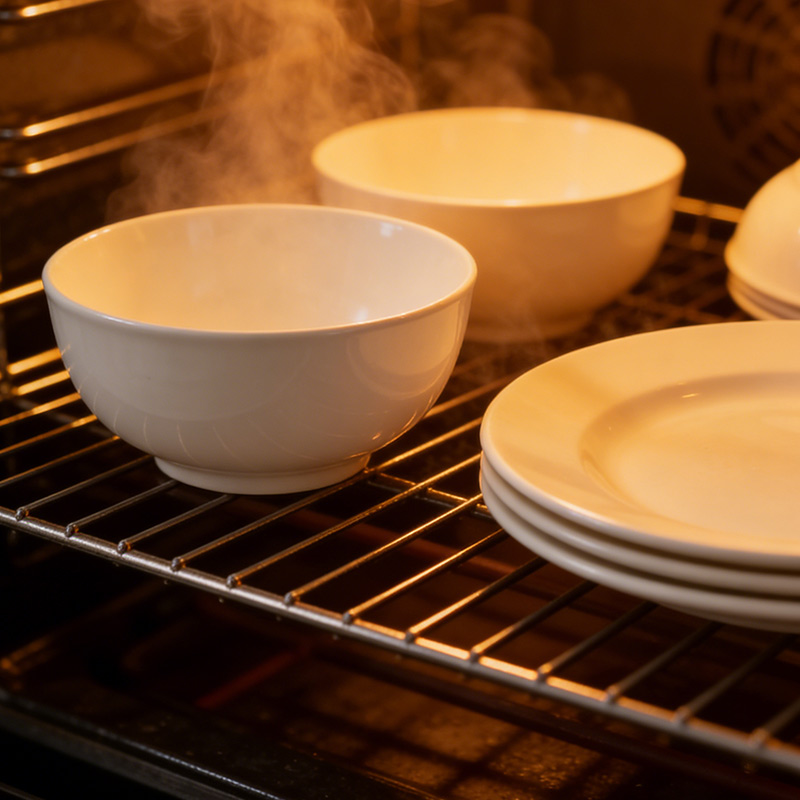
Compatibility with modern commercial equipment is also a focus. Modern ceramic tableware is designed to be dishwasher-safe, microwave-safe, and oven-safe, adapting to the fast-paced operations of restaurants and hotels. For example, “Meinai” white tableware can withstand oven temperatures up to 177°C (350°F),making it suitable for oven-to-table serving, saving time and improving efficiency for clients.

These functional innovations are not just about durability—they are about creating value for the client by reducing costs, improving efficiency, and enhancing the overall dining experience. As the hospitality industry continues to recover and grow, the demand for high-performance ceramic tableware is expected to rise, making functional design a key competitive factor.
Custom Ceramic Tableware: Tailored Designs for Brand Identity
In a competitive market, customization has emerged as a powerful tool for ceramic tableware suppliers to differentiate themselves and build long-term client relationships. Modern design trends emphasize tailored solutions that allow clients—from high-end hotels to boutique restaurants—to align tableware with their brand identity and create unique dining experiences that stand out.
Customization options for ceramic tableware have expanded significantly in recent years, moving beyond simple logo printing to include bespoke shapes, colors, glazes, and even hand-painted details. For instance, luxury hotels often commission custom ceramic tableware with specific color palettes that match their interior design or brand colors, while restaurants might opt for custom shapes that complement their cuisine style (e.g., wide, flat plates for sushi, deep bowls for ramen). High-end ceramic suppliers like Meissen Ceramics offer full customization solutions for luxury hotels, including custom decals, logos, and unique glazes to reflect the hotel’s elegance and sophistication.
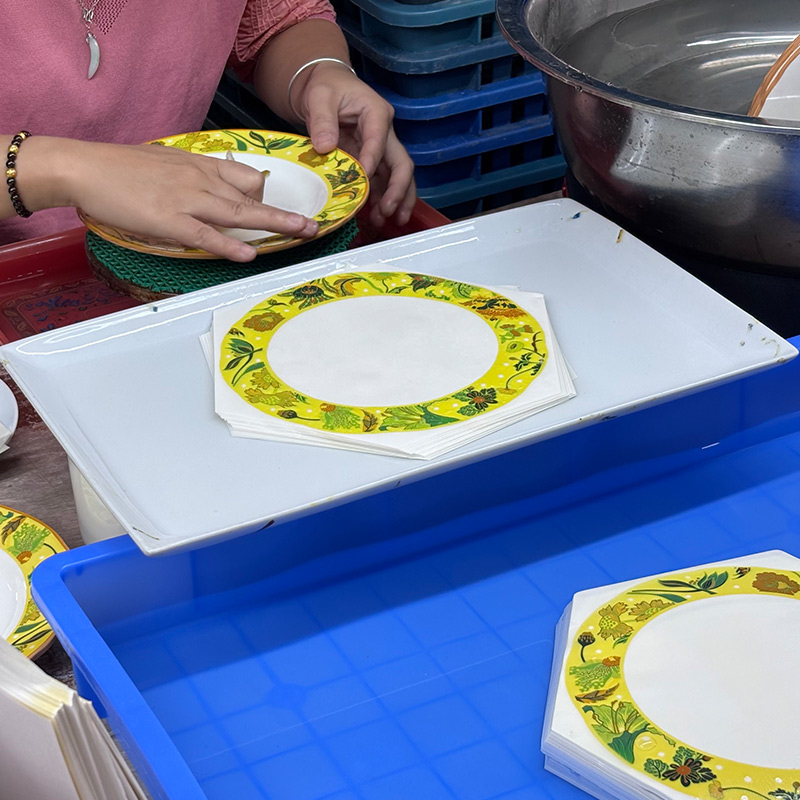
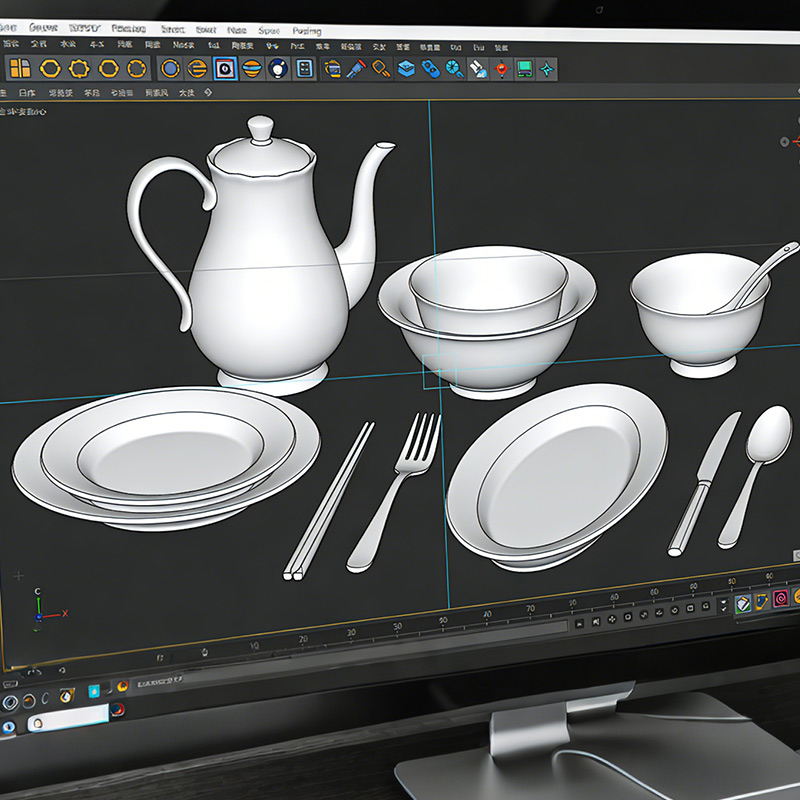
Digital technologies are making customization more accessible and cost-effective for clients of all sizes. 3D printing, for example, allows manufacturers to create custom prototypes quickly and affordably, enabling clients to test designs before committing to large orders. This technology also facilitates small-batch custom orders, catering to boutique restaurants and specialty hospitality businesses with lower volume needs. Additionally, Augmented Reality (AR) tools allow clients to visualize how custom tableware will look in their dining spaces, reducing the risk of design mismatches.
Customization also plays a key role in brand storytelling. For clients, tableware is not just a functional tool—it’s a medium to communicate their brand values, culture, and identity to their customers. A farm-to-table restaurant, for example, might choose custom ceramic tableware with hand-painted botanical motifs to reinforce its commitment to sustainability and nature. A luxury hotel might incorporate gold or platinum accents on its custom ceramic pieces to convey elegance and exclusivity. Through customized tableware, clients can create a cohesive dining experience that resonates with their customers and builds brand loyalty.
Market data underscores the growing importance of customization for clients: a 2025 survey of HORECA businesses found that 65% of respondents were willing to pay a premium for custom ceramic tableware that aligns with their brand image. For suppliers, offering flexible customization options is a powerful way to attract high-value clients and build long-term partnerships, as customized solutions create barriers to entry for competitors.
Cultural Fusion in Ceramic Tableware: Blending Tradition with Modern Design
Modern ceramic tableware design is increasingly embracing cultural fusion, blending traditional craftsmanship and aesthetic elements with contemporary design principles to create unique, globally appealing products. This trend is particularly relevant for clients operating in international markets, as it allows them to offer tableware that resonates with diverse cultural preferences while maintaining a modern, cohesive style.
Oriental influences are particularly prominent, with design elements from China, Japan, and Korea being reinterpreted for modern contexts. For example, Chinese porcelain techniques, such as blue-and-white underglaze painting, are being simplified and modernized to create products that retain traditional charm but are more suitable for commercial use. Japanese minimalism, with its emphasis on simplicity, natural materials, and asymmetry, is also influencing modern ceramic design, with clients opting for clean, understated pieces that evoke a sense of calm and elegance. Korean celadon glazes, known for their soft green hues and delicate crackle patterns, are being applied to contemporary tableware, adding a touch of refinement to restaurant and hotel settings.
Western design elements are also being integrated with traditional techniques, creating cross-cultural aesthetics that appeal to a global clientele. For instance, European ceramic traditions, such as Italian maiolica or French faience, are being updated with modern color palettes and forms, making them relevant for contemporary hospitality spaces. This East-meets-West fusion allows clients to offer tableware that feels both culturally rooted and universally appealing, catering to diverse customer bases.
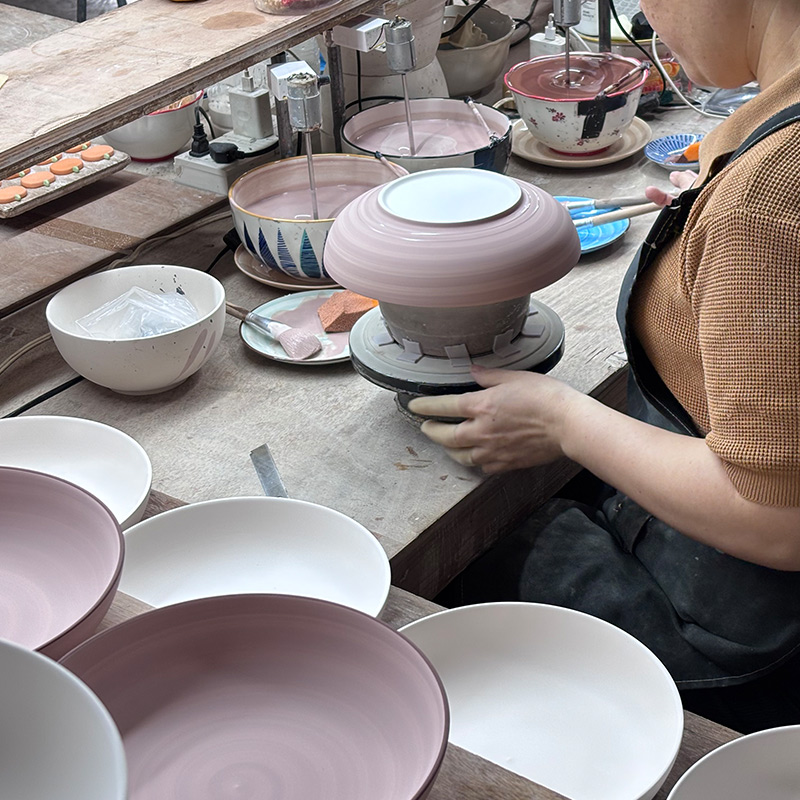
Handcrafted techniques are also seeing a revival, but with a modern twist. While mass-produced ceramic tableware remains the core for high-volume commercial clients, handmade pieces are being used to add a touch of uniqueness and authenticity to the dining experience. The subtle variations in form and glaze that characterize handmade ceramics convey a sense of craftsmanship and authenticity, appealing to consumers seeking meaningful, personalized experiences. Clients like boutique hotels and high-end restaurants are incorporating handmade pieces into their table settings to create a sense of luxury and exclusivity, while still relying on mass-produced items for everyday use.
This trend is driven by a growing consumer appreciation for cultural authenticity and craftsmanship. For clients, offering tableware that blends tradition and modernity allows them to tap into this demand and create dining experiences that feel both distinctive and familiar. For manufacturers, this trend offers opportunities to differentiate their products by leveraging traditional techniques and cultural elements, while still meeting the functional needs of commercial clients.
Smart Ceramic Tableware: Digitalization and IoT in Modern Design
Digitalization is transforming industries across the board, and ceramic tableware design is no exception. Modern trends are incorporating smart design elements and digital technologies to enhance functionality, improve efficiency, and create new value for commercial clients. While smart ceramic tableware is still in its early stages, it is rapidly gaining traction among forward-thinking clients looking to leverage technology for operational optimization and enhanced dining experiences.
One of the most promising smart design trends is the integration of Internet of Things (IoT) technology into ceramic tableware. For example, smart plates and bowls embedded with sensors can track food temperature, portion sizes, and even nutritional information—data that is invaluable for catering companies, hospitals, and schools looking to optimize their food service operations. These smart pieces can also send alerts when food is approaching unsafe temperatures, helping clients comply with food safety regulations.
Digital printing technology is another key trend, enabling manufacturers to create high-quality, detailed designs on ceramic tableware more efficiently and flexibly. Unlike traditional hand-painting, digital printing allows for rapid, consistent reproduction of complex patterns, logos, and even custom images, making it ideal for clients with large-scale, customized design orders. This technology also reduces waste, as it uses less ink and allows for precise control over the design process.
Artificial Intelligence (AI) is also being used to optimize ceramic tableware design and production. AI-powered design tools can analyze market trends, customer preferences, and client needs to generate custom design recommendations, reducing the time and cost associated with product development. AI is also being applied in quality control, with machine learning algorithms detecting defects in ceramic products before they reach clients, ensuring consistency and reducing return rates.
While smart and digitalized ceramic tableware currently comes at a higher price point than traditional products, the long-term benefits—such as increased efficiency, improved food safety, and enhanced customer experiences—are driving adoption among B2B clients. Market forecasts suggest that smart ceramic tableware could account for up to 15% of the global market by 2030, with B2B clients in the hospitality and healthcare sectors being key drivers.
Conclusion: Embracing Ceramic Tableware Trends to Win the Market
The trends shaping modern ceramic tableware design are driven by the unique needs of commercial clients—their focus on functionality, sustainability, customization, and efficiency. From minimalist designs that streamline commercial operations, to sustainable materials that align with environmental goals, from functional innovations that reduce costs, to cultural fusions that appeal to global markets, these trends are redefining the industry landscape and creating new opportunities for manufacturers, suppliers, and clients alike.
For ceramic tableware suppliers, understanding and embracing these trends is key to remaining competitive in a rapidly evolving market. By focusing on solutions that address client pain points—such as breakage, high replacement costs, and the need for brand alignment—suppliers can build long-term client relationships and differentiate themselves in a crowded market. For commercial clients, staying informed about these trends can help them select tableware that better suits their operations, resonates with their customers, and aligns with their business goals.
As the global ceramic tableware market continues to grow—projected to reach $11.3 billion by 2035, with a CAGR of 4.3%—design will remain a core driver of this growth. The trends outlined in this article are not fleeting fads; they reflect the evolving needs of the market and the rising expectations of consumers. By embracing these trends, businesses across the ceramic tableware supply chain can thrive in a competitive landscape and shape the future of modern dining.


