





Matte vs Glossy Dinnerware: Which Is Better for Restaurants?

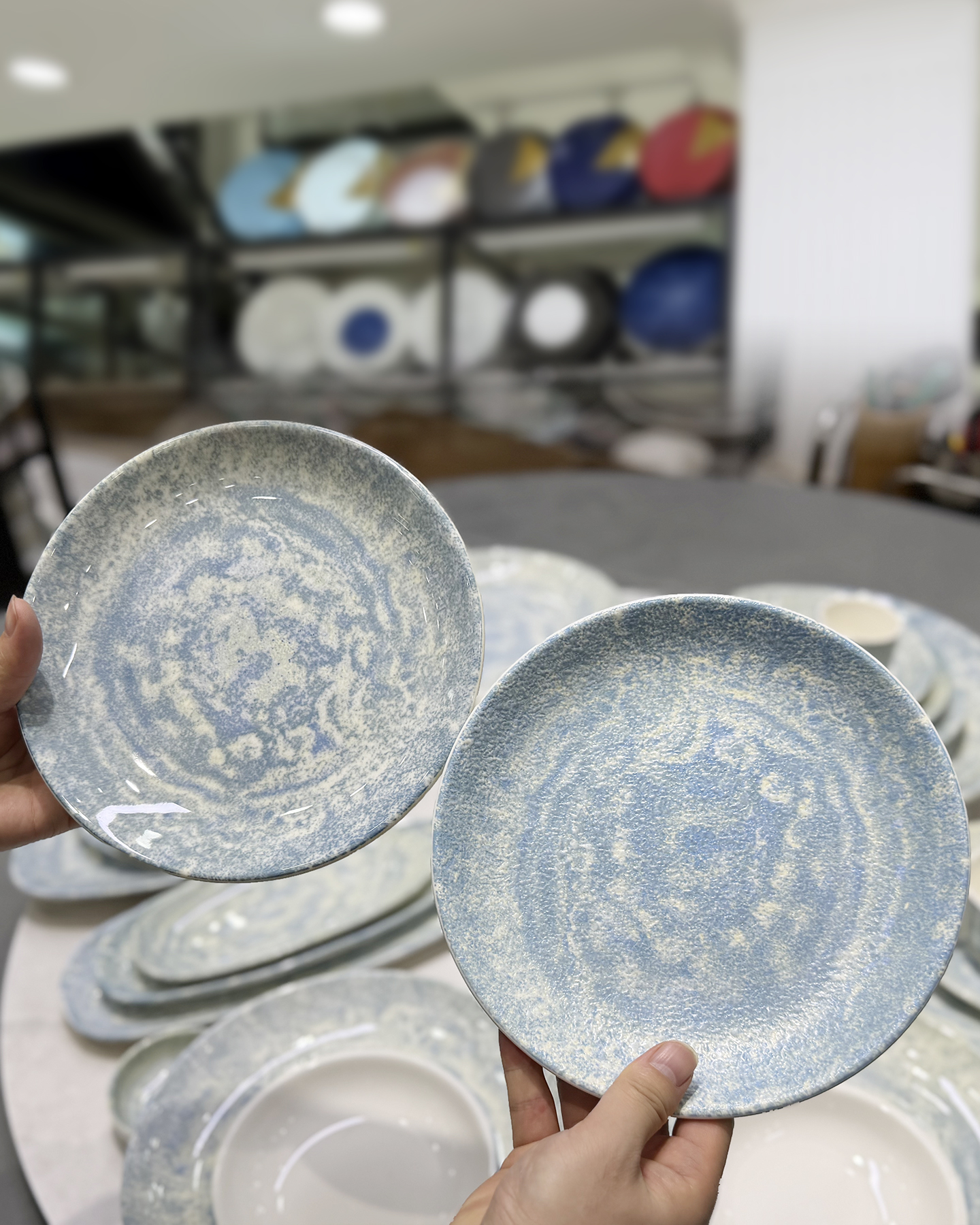
Choosing the right dinnerware finish is an important decision for restaurants, hotels, and catering businesses. Beyond design and brand aesthetics, the surface finish of ceramic tableware directly affects durability, maintenance, food presentation, and overall dining experience.
Understanding Matte and Glossy Dinnerware?
Ceramic dinnerware is coated with a glaze layer during manufacturing and fired at high temperatures to create a durable surface. The type of glaze used determines the final finish.
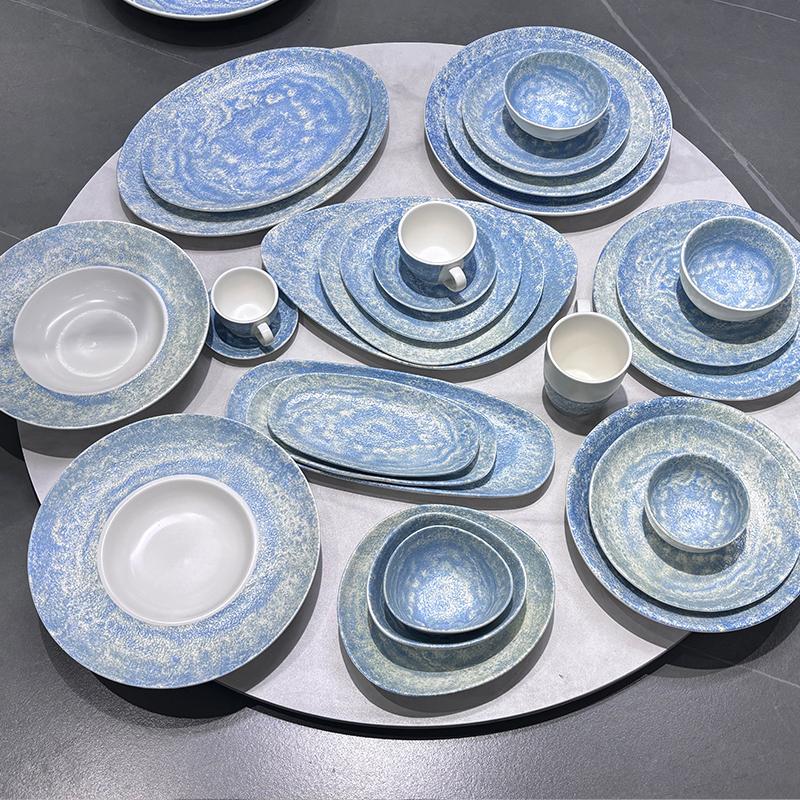
Matte dinnerware has a non-reflective, soft, and slightly textured surface that absorbs light instead of reflecting it. The result is a muted, modern appearance that many contemporary restaurants prefer.
The tactile surface often feels slightly velvety or stone-like, which gives matte ceramics a handcrafted and natural aesthetic.
In recent years, matte plates have become popular in:
Fine dining restaurants
Modern cafés
Boutique hotels
Scandinavian or minimalist dining concepts
These establishments value the understated elegance and visual calm that matte surfaces create on the table.
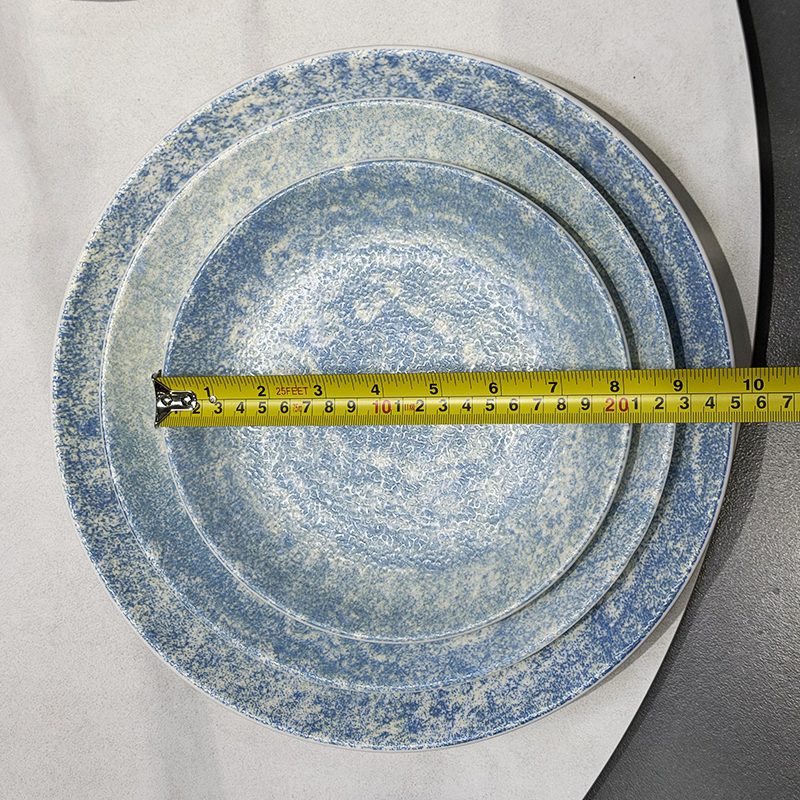
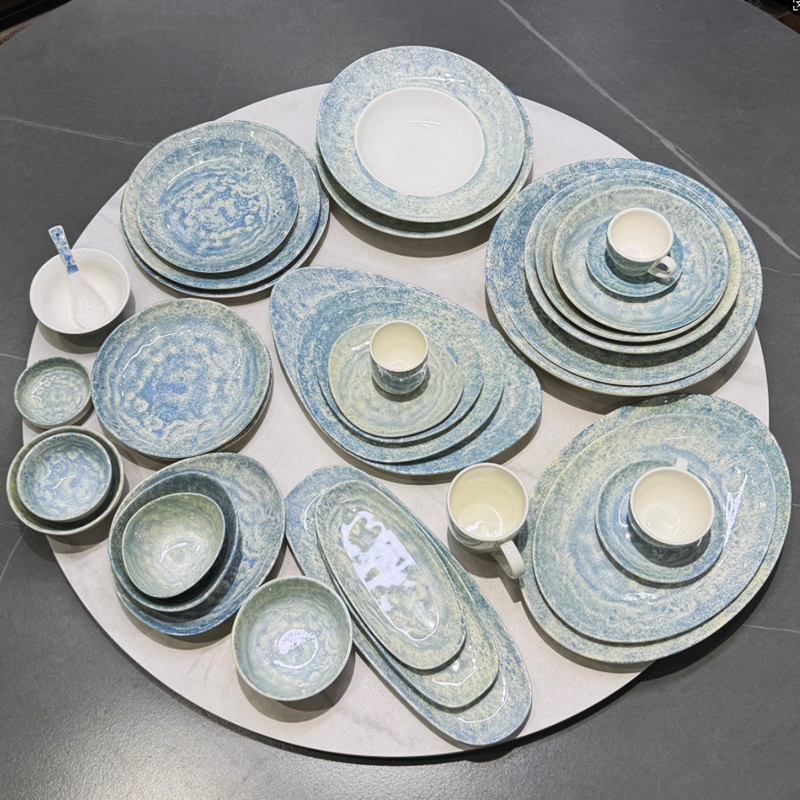
Glossy dinnerware features a smooth, shiny, and highly reflective surface. This classic finish has been used in ceramic tableware for decades and remains the standard choice for many restaurants.
Glossy glazes enhance colors and patterns, creating a polished appearance that highlights food presentation.
The reflective surface also creates contrast, allowing plated dishes to stand out visually on the table.
Glossy plates are commonly found in:
Hotel restaurants
Banquet halls
Casual dining chains
Catering services
High-volume restaurants
Their durability and easy maintenance make them highly practical in commercial environments.
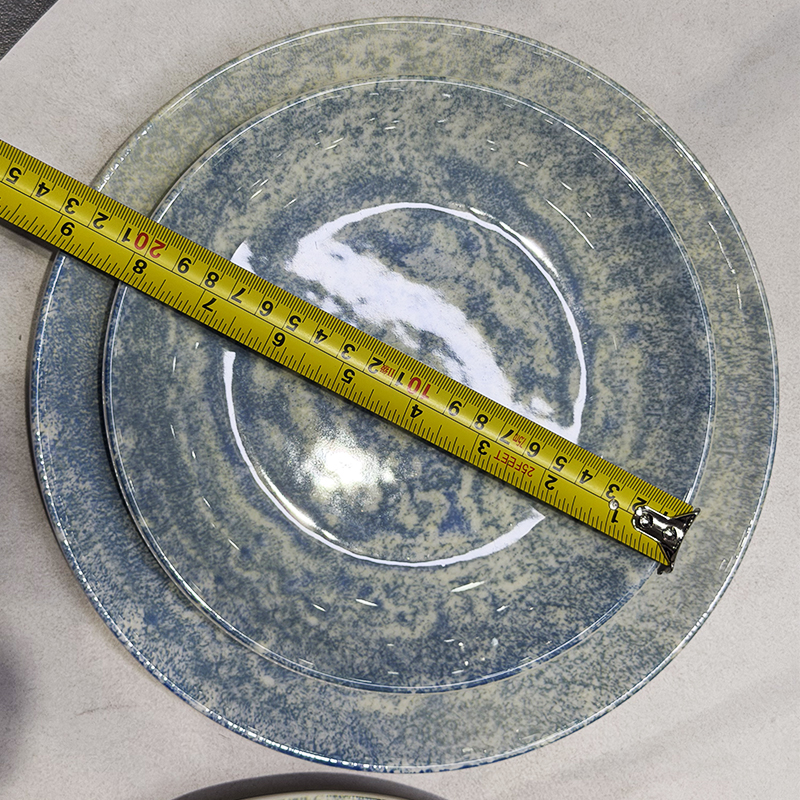
Visual Impact and Food Presentation
Food presentation is a major consideration in restaurant tableware design.
Matte Dinnerware: A Modern Culinary Canvas
Matte plates are often favored by chefs because they create a neutral background that enhances the visual appeal of the food itself. Without reflective glare, the surface allows colors and textures of ingredients to stand out naturally.
For example:
Dark matte plates highlight colorful ingredients
Earth-tone matte ceramics complement organic cuisine
Matte black plates enhance fine-dining plating styles
Many modern restaurants use matte dinnerware to create a minimalist and artistic dining experience.
Glossy Dinnerware: Bright and Classic
Glossy plates, on the other hand, reflect light and create a brighter table presentation. The polished surface enhances the vibrancy of both the plate and the food.
This style works especially well for:
Traditional restaurants
Hotel buffets
Banquets
Elegant formal dining
Because glossy surfaces reflect light, they often make dishes appear more vibrant and luxurious.
Durability in High-Traffic Restaurants
Durability is one of the most important factors in restaurant dinnerware selection.
Restaurants may use the same plate hundreds of times per week, exposing it to constant washing, stacking, and contact with metal utensils.
Glossy Glaze Durability
Glossy glazes generally provide higher abrasion resistance and stain protection due to their dense and smooth surface structure.
The surface is less porous and more resistant to:
Knife marks
Food stains
Chemical damage from detergents
For restaurants with high table turnover, glossy dinnerware often remains visually consistent for a longer period.
Matte Glaze Durability
Matte glazes can be slightly more susceptible to:
Cutlery marks
Surface staining
metal transfer from utensils
These marks are often not actual scratches but metal deposits left by forks or knives.
While modern high-temperature firing techniques have improved matte durability, glossy surfaces still tend to outperform matte finishes in extreme commercial use.
Cleaning and Maintenance
Another critical factor for restaurants is how easy the tableware is to clean.
Glossy Dinnerware Maintenance
Glossy surfaces are extremely easy to clean because the glaze creates a smooth barrier that prevents food from sticking.
Advantages include:
Dishwasher friendly
Stain resistant
Easy removal of grease and sauces
The non-porous surface allows food residue to rinse off quickly, making glossy plates ideal for high-volume kitchens.
However, glossy surfaces may show fingerprints or water spots more easily due to their reflective finish.
Matte Dinnerware Maintenance
Matte dinnerware can require slightly more attention during cleaning.
Because the surface is less smooth, certain foods—especially those with strong pigments—can leave marks if not washed promptly.
Common issues include:
oil marks
tomato sauce stains
utensil marks
These marks are usually removable with specialized cleaners, but they may require additional effort.
Safety and Food Contact Considerations
When selecting ceramic dinnerware for restaurants, food safety standards must always be considered.
Commercial dinnerware should be:
Lead-free
Cadmium-free
FDA compliant
Acidic foods such as citrus or tomato sauces can interact with poorly formulated glazes. For this reason, restaurants should purchase tableware from certified manufacturers that provide compliance testing reports.
High-temperature fired glazes—especially vitrified glossy glazes—typically provide strong chemical resistance suitable for daily food service.
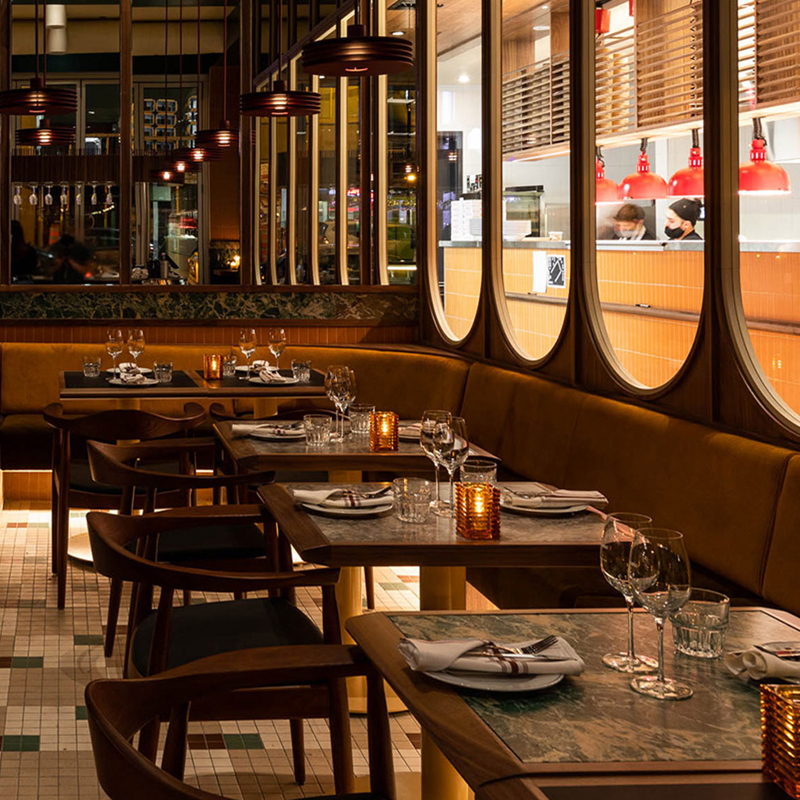
Restaurant Style and Brand Identity
Dinnerware is not only functional but also part of a restaurant’s branding.
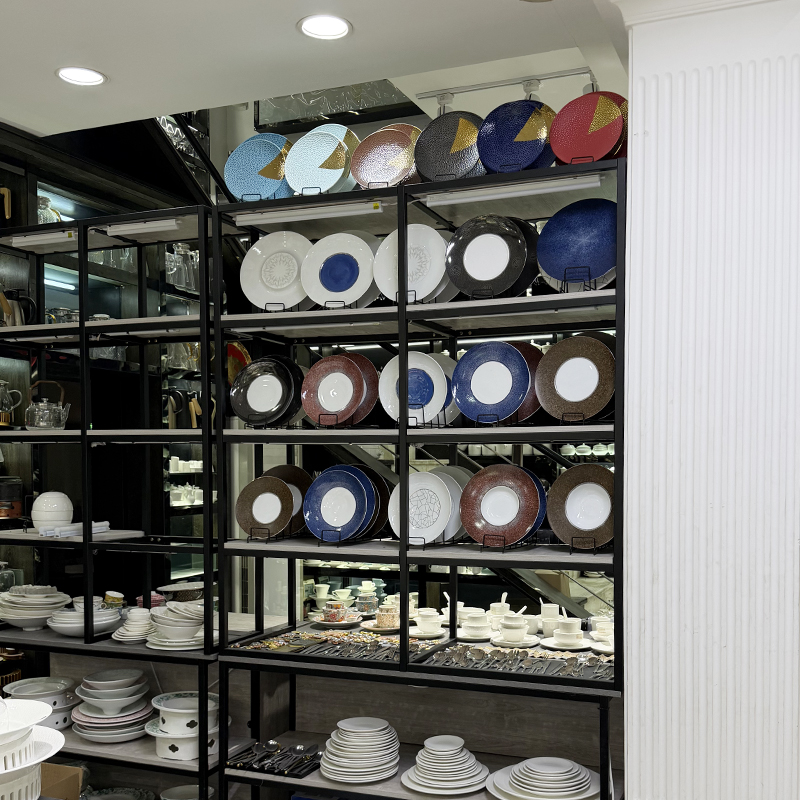
When Matte Dinnerware Is Ideal
Matte ceramic tableware works best for restaurants that want to create:
contemporary dining experiences
artisanal or organic aesthetics
chef-focused plating presentations
Restaurants focusing on modern gastronomy or Instagram-friendly presentation often choose matte plates to achieve a refined look.
When Glossy Dinnerware Is Ideal
Glossy dinnerware is a reliable choice for restaurants prioritizing:
durability
easy maintenance
classic aesthetics
large-scale service
Hotel restaurants, banquet venues, and catering companies often prefer glossy plates due to their practicality and longevity.
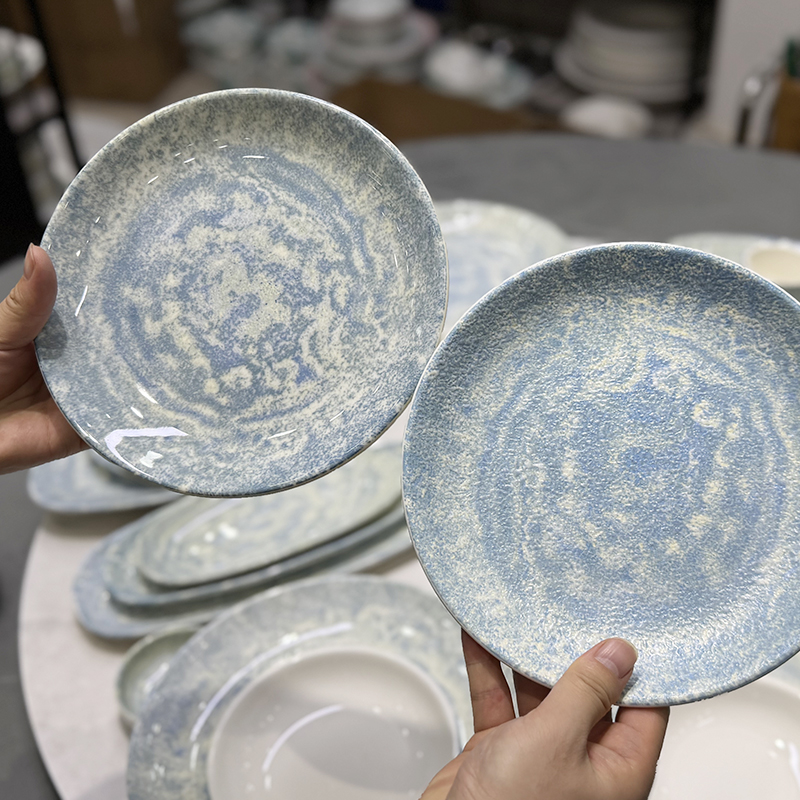
Hybrid Solutions: Combining Matte and Glossy!
Some restaurants choose a hybrid approach that combines both finishes.
Examples include:
Matte exterior with glossy interior bowls
Glossy plates with matte serving platters
Matte chargers paired with glossy dinner plates
This approach balances aesthetic appeal with functional durability.
For example:
Matte surfaces enhance visual presentation
Glossy interiors improve cleaning and food safety
Hybrid dinnerware collections are becoming increasingly popular in modern hospitality design.
Which Dinnerware Finish Is Best for Restaurants?
There is no universal answer because the best choice depends on a restaurant’s concept, service style, and operational needs.
Choose matte dinnerware if your restaurant focuses on:
modern plating aesthetics
contemporary design
unique dining experiences
Choose glossy dinnerware if your restaurant prioritizes:
durability
easy maintenance
high-volume service
Many hospitality businesses also combine both finishes to balance style and practicality.

