




Prolonging the Lustrous Life of Ceramic Tableware: A Complete Guide to Professional Use and Care

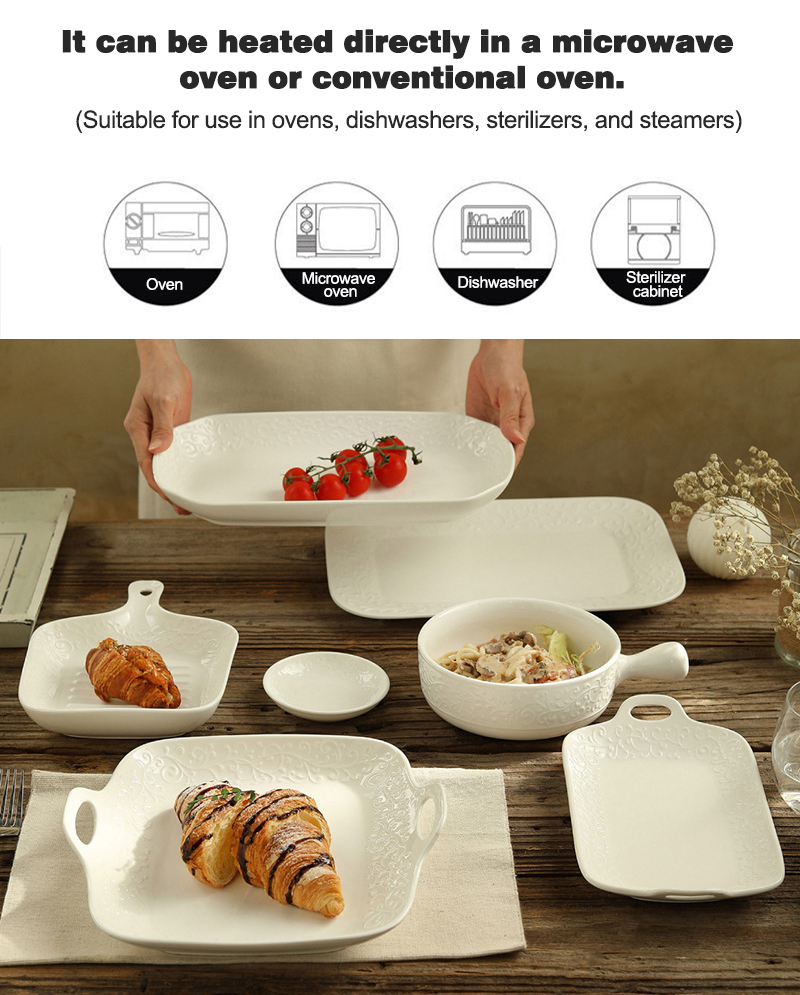
A carefully chosen set of ceramic tableware is an important part of home life. Proper use and maintenance not only ensures their food safety but also preserves their brilliance over time, transforming them into heirloom-worthy works of art for daily living. Whether you own delicate bone china, sturdy reinforced porcelain, or distinctive pottery, the following professional guide will help you care for them better.
Golden Rules for Daily Use
Temperature is the Primary Enemy: Avoid Thermal Shock
Avoid sudden temperature changes. Do not place a salad bowl taken directly from the refrigerator into an oven or microwave, nor immerse hot plates fresh from a dishwasher into cold water. Extreme temperature differentials can create uneven stress within the ceramic, leading to hard-to-detect “micro-cracks” that may eventually cause sudden breakage.
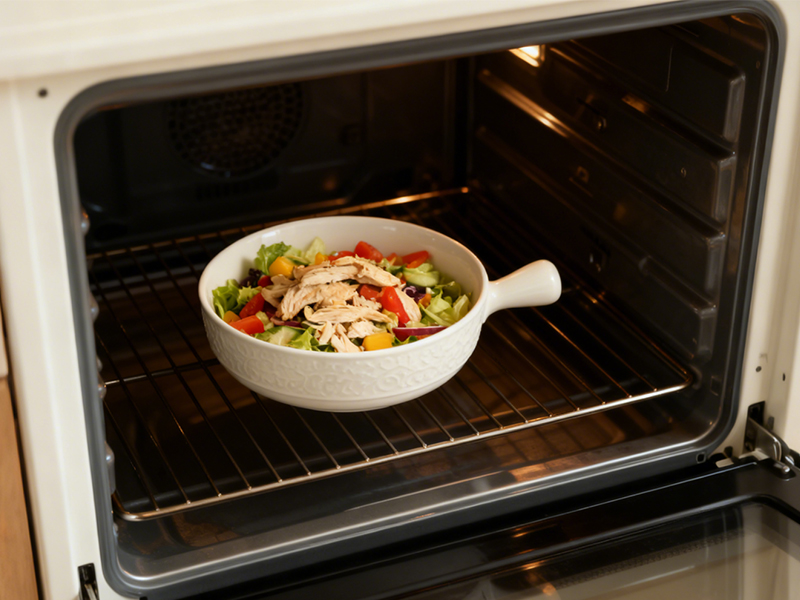
Safe Preheating: Before use, preheat by rinsing with warm water. For oven use, ensure the product is labeled “oven-safe” and allow it to come to temperature with the oven.
Handle with Care, Prevent Physical Damage
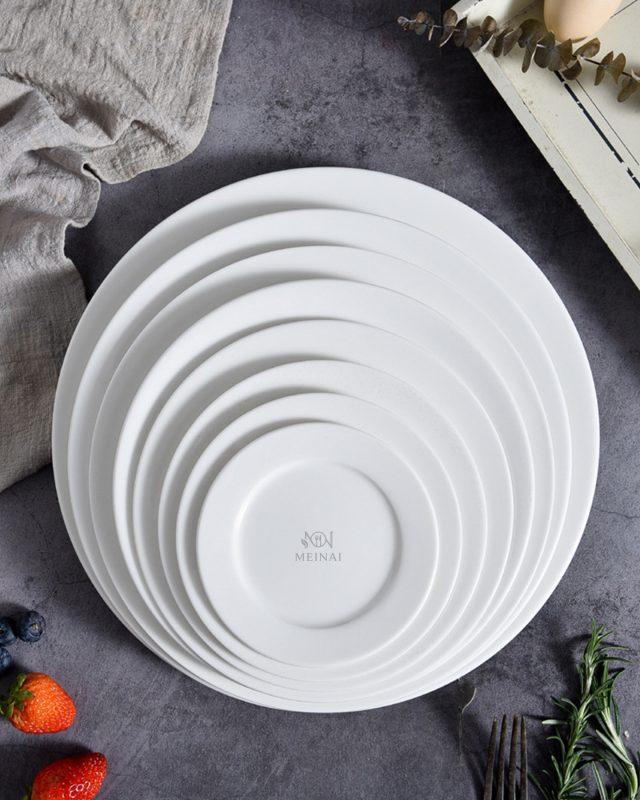
Handling and Storage: When stacking dishes, place a soft cotton napkin or dedicated felt pad between each piece to prevent the glazed surfaces from rubbing and creating “hairline scratches.” Avoid excessive stacking to prevent toppling.
Usage Environment: Avoid cutting food directly on ceramic tableware and try to prevent harsh contact with metal utensils (like knives and forks), especially on rims.
The Science of Cleaning: Hand Wash or Machine Wash?
Basic Principle: When in doubt, prioritize hand washing – it’s the safest method.
Recommended Hand-Wash Steps: Use mild dish soap and a soft sponge or cloth. Avoid cleaners with abrasive particles or steel wool. For stubborn tea or coffee stains, soak in a baking soda paste or diluted lemon juice before gentle wiping.
For tableware with gold trim, hand-painted designs (especially overglaze colors), be extra gentle and try to avoid the decorative areas.
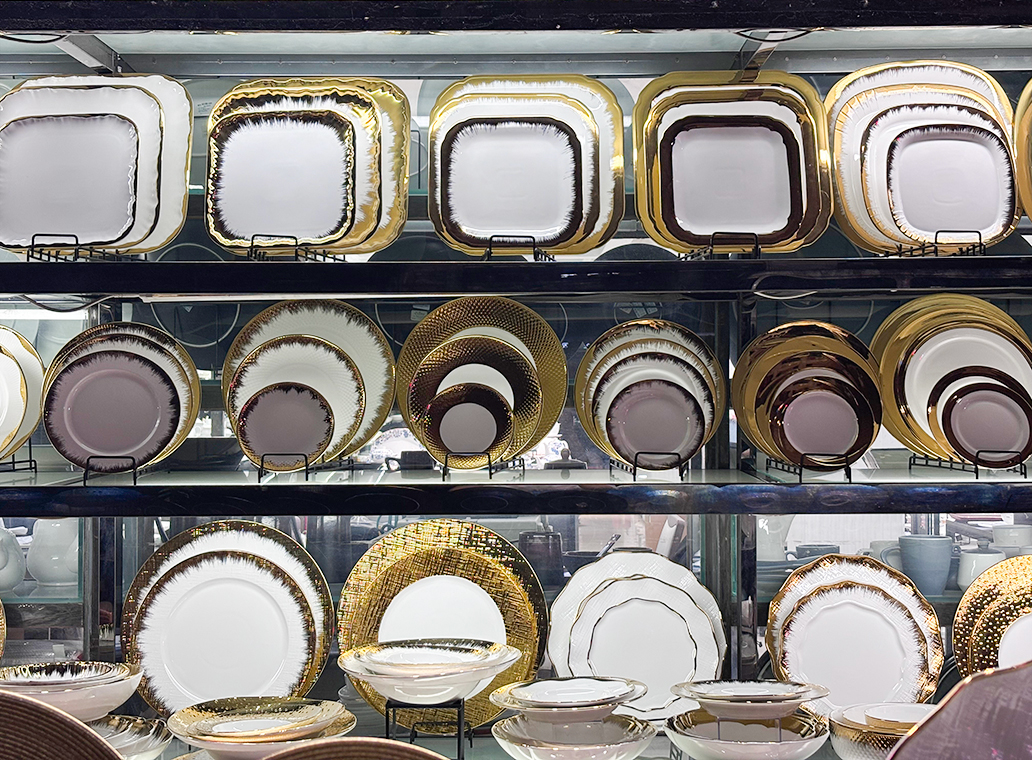
After washing, dry with a soft cotton cloth or allow to air dry naturally. Avoid letting water spots sit, especially on the unglazed bottoms of pottery.
Dishwasher Use Guide:
Check the Label: Only place items clearly marked as “** dishwasher safe**” in the dishwasher.
Strategic Loading: Ensure items are securely placed and won’t collide during the wash cycle. Avoid wedging delicate cups too tightly in the racks.
Choose Gentle Settings: Use the gentle or fine china cycle and select a lower water temperature (recommended below 70°C). Avoid the powerful drying/heated dry function, as rapid drying with hot air can cause damage.
Special Reminder: Almost all tableware with hand-applied gold or platinum banding is not recommended for dishwashing, as the strong alkaline detergents and forceful water jets can gradually corrode and strip the precious metal.
Dealing with Special Situations & Long-Term Storage
Removing Odors: For new or odorous ceramics, soak in warm water with vinegar or lemon slices for several hours, then wash thoroughly.
Repairing Minor Scratches: Slight scratches on the glaze can sometimes be minimally improved with ceramic repair paste or specialized polish, but this requires skill.
Cracks and Damage: If cracks appear, stop using the item for holding food, especially liquids, as bacteria can grow in the crevices. For pieces with sentimental value, professional ceramic restoration services can be sought.
Long-Term Storage:
Ensure items are completely clean and totally dry before storing to prevent mold.
Store in a cool, dry, and well-ventilated place, avoiding direct sunlight which can alter glaze colors.
Use dedicated tableware storage boxes, or wrap each piece individually in soft paper or cloth. Do not force items of different sizes and shapes together.
Special Notes for Different Materials:
Bone China: Due to its high calcium content, avoid prolonged soaking in acidic liquids (e.g., fruit juice, vinegar) to prevent glaze erosion. Hand washing is recommended.
Reinforced Porcelain: Can withstand regular machine washing, but following the machine wash rules above will maximize its lifespan.
Earthenware / Porous Pottery: Has high water absorption. Before use, it’s best to soak in clean water for a period to prevent it from absorbing food juices and staining. Always ensure the glaze is intact for food safety.
Taking meticulous care of your ceramic tableware reflects an attitude of cherishing possessions. By following these simple yet effective guidelines, your beloved dinnerware set will accompany you and your family through many more wonderful meals, remaining as warm and smooth as ever as the years go by.